Reviewed · DUBLIN TOURS & EXPERIENCES
10-Day Ultimate Small-Group Tour of Ireland from Dublin
Ireland hits fast on this small-group road trip. You’ll cover major highlights from Rock of Cashel to Titanic Belfast, with professional guiding and a steady flow of stops that keeps the trip from turning into map-and-traffic stress. I like that transport, lodging, and breakfast are built in, and I also like the mix of ticketed icons plus slower, human towns like Dingle and Galway. The main drawback to plan for is that days run full, and you’ll be on the bus a lot, with an average of 2.5 hours of driving each day.
The group size is capped at 15, which means you get easier timing at famous sites and more room for questions. You’ll also travel by air-conditioned Mercedes Sprinter buses, and you’ll have free time almost every day to steer your own pace and meals.
In This Review
- Key takeaways before you go
- A 10-day Ireland to Belfast route that actually makes sense
- Price and logistics: what you’re paying for, beyond the sticker
- Your day rhythm: early starts, big drives, and free time built in
- Day 1: Rock of Cashel, Blarney Castle, then Kinsale’s food town energy
- Day 2: Kenmare, Ross Castle, and a real introduction to Dingle
- Day 3: Slea Head Drive gives you postcard views with actual stops
- Day 4: Sheepdog tradition, Cliffs of Moher, and the Burren’s oddball beauty
- Day 5: Inis Oírr by ferry, then Cliffs of Moher from the sea, plus Galway
- Day 6: Galway walking time, then Connemara at Kylemore Abbey, ending in Westport
- Day 7: Benbulben myths and a castle hotel at Lough Eske
- Day 8: Slieve League cliffs, Ardara distillery tasting, and Derry’s wall walk
- Day 9: Giant’s Causeway, Carrick-a-Rede, Dunluce, then Belfast at night
- Day 10: Titanic Belfast, then back to Dublin for your last free hours
- Meals and free time: how to plan lunch and dinner without losing momentum
- Comfort tips for a trip that mixes ferries, cliffs, and castles
- Who this tour fits best, and who might want another style
- Should you book this Dublin to Belfast small-group Ireland tour?
- FAQ
- Where do we start and what time is the tour?
- Where does the tour end?
- What’s included in the tour price?
- Are lunch and dinner included?
- How big is the group?
- Which days include major ferries?
- Is the Blarney Stone included?
- Are any activities dependent on weather?
- What luggage can I bring?
- Can I get a refund if I cancel?
Key takeaways before you go
- Small-group cap (15) keeps the pace friendly, not hectic.
- Dublin to Belfast coverage with both Irish Republic and Northern Ireland highlights.
- Many paid sights included, from major castles to distillery tasting and Titanic Belfast.
- Ferry time is built in, including Inis Oírr and the Cliffs of Moher sea view.
- Two serious “wow” coasts: Dingle’s Slea Head Drive and Donegal to Antrim’s cliffs.
- Some weather-linked access, like Carrick-a-Rede bridge viewing.
A 10-day Ireland to Belfast route that actually makes sense
This is the kind of trip that works because it uses Ireland’s distances without wasting your vacation time. Instead of bouncing between rental cars and lone navigation, you get a structured day plan, then pockets of free time to wander, snack, and choose your own rhythm.
I’m also drawn to the way the best-known sites are handled here. You don’t just get a quick photo and a stamp. You get time to walk Rock of Cashel properly, see Ross Castle on Lough Leane, and spend real time on the Cliffs of Moher. Then the coast keeps coming, with Dingle’s Slea Head Drive and later Donegal and Antrim, where the views are dramatic enough that you’ll want your camera, your layers, and a little patience.
Finally, the guide matters. In the guide roster I saw names like Pat O’Mara, David Armitage, and Jack Healy, and the common thread in how they’re described is practical help plus real storytelling. That’s how you get the history and culture in a way that makes the scenery feel earned, not generic.
Price and logistics: what you’re paying for, beyond the sticker
At $3,853.34 per person for about 10 days, the best way to judge value is what you do not have to organize. This trip includes 9 nights of boutique hotel and guesthouse stays, daily breakfast (9 breakfasts), and round-trip-style transport to each stop by Mercedes Sprinter. It also includes a long list of entries and activities, including places like Rock of Cashel, Blarney Castle entry, Cliffs of Moher entrance, Kylemore Abbey & Gardens, the Giant’s Causeway experience, and Titanic Belfast.
That matters because these are not cheap extras. When big attractions are left to you, you often end up paying more than you expect. Here, the main cost drivers are already covered, and that makes your day-to-day planning simpler.
The one cost category you still own is food. Lunch and dinner are not included, so you’ll want a budget and a game plan. The upside is you get flexibility. You can follow your tastes, stop for local seafood when you see it, or pop into a pub for music without feeling locked into a set menu.
Also keeping time in Dublin
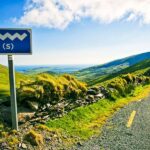

Your day rhythm: early starts, big drives, and free time built in
You start at the Ashling Hotel Dublin at 8:00 am, and you finish at Heuston Station in Dublin. The schedule is designed with efficient movement, and the average driving time is listed as 2.5 hours per day. That’s not a light itinerary, but it is realistic for covering the full Ireland-to-Northern-Ireland sweep.
Most days include a mix of guided time and free time. You’ll have guided elements where it helps (like walking tours and historical sites), then you’ll break off to explore at your own speed. That matters in places like Galway or Belfast, where the best experiences often come from choosing where to walk next.
Packing is straightforward: you’re advised to bring light layers, a raincoat, and sunscreen. That combo is not fancy, it’s survival. Ireland’s weather can flip fast, especially along the coast. Having the right layers means you can keep enjoying the stops instead of retreating indoors.
Day 1: Rock of Cashel, Blarney Castle, then Kinsale’s food town energy
Day one is all about changing gears. You leave Dublin’s energy behind and roll south to the Rock of Cashel in County Tipperary, one of Ireland’s signature medieval sites. You’ll have time at the round tower, chapels, and the cathedral and castle complex, so you’re not rushed into looking at stones only from one angle.
Next comes Blarney Castle & Gardens in County Cork. The famous Blarney Stone is included, so yes, this is the day you can kiss it if you want to try the traditional gesture. After that, you get time to wander the gardens, which is a nice contrast to the fortress feel.
You end in Kinsale, a harbor town known for seafood and easy strolling. This first overnight stop sets you up well because Kinsale is compact enough to explore after a long day, and it gives you a taste of West Cork’s local restaurant scene without needing a big plan.
Next tune called in Dublin:
- Dublin to Cliffs of Moher, Burren, Wild Atlantic Way, Galway Tour
★ 5.0 · 12,924 reviews - Dublin to Belfast Black Cab, Dunluce Castle and Giant’s Causeway
★ 5.0 · 7,954 reviews - Kilkenny, Wicklow Mountains & Glendalough Day Tour from Dublin
★ 5.0 · 7,897 reviews - From Dublin: Wicklow Mountains, Glendalough & Kilkenny Tour
★ 4.8 · 6,235 reviews
Day 2: Kenmare, Ross Castle, and a real introduction to Dingle
Today leans into the southwest, aiming for Ring of Kerry highlights without forcing you through the entire loop. Your first stop is Kenmare, a heritage town with color in the streets, boutique shopping, and an easy welcome. It’s a good reset before the bigger scenery moments.
You then move into Killarney National Park area for panoramic viewpoints like Moll’s Gap and Ladies View. The route also pauses at Ross Castle on Lough Leane. That’s a sweet spot because you get the feeling of a real historic fortress while still being grounded by the lake setting.
The day ends in Dingle, where the appeal is simple: you arrive with enough energy left to explore. Dingle is known for traditional music and welcoming pubs, and the schedule gives you hours to wander the harbor and colorful streets. In other words, you’re not just dropped off for sleep. You can enjoy the atmosphere right away.
Day 3: Slea Head Drive gives you postcard views with actual stops
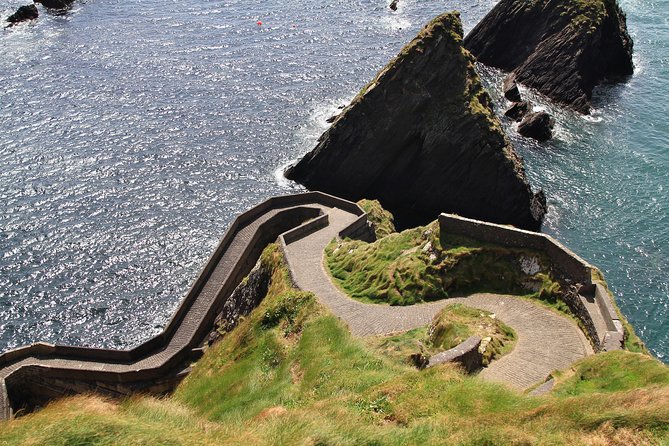
Day three is one of the big scenic payoffs. You’ll head out for the Slea Head Drive on the Dingle Peninsula along the Wild Atlantic Way. This is where the ocean views are part of the experience, not a quick photo backdrop. Expect stops at rugged headlands, photo moments, and viewpoints that make the peninsula feel wild and alive.
You’ll also have time to see ancient beehive huts, plus you’ll pass tiny harbors and beaches scattered along the coast. The timing is built so you can take your time with pictures and walking short stretches when the ground is safe.
After returning to Dingle around lunchtime, you get the afternoon at your own pace. This is where you can slow down, try local seafood, browse shops, or just find a pub with live music and sit for a while. The benefit of repeating a night in Dingle is that you’re not constantly repacking, and you can turn one town into something you actually get to know.
Day 4: Sheepdog tradition, Cliffs of Moher, and the Burren’s oddball beauty
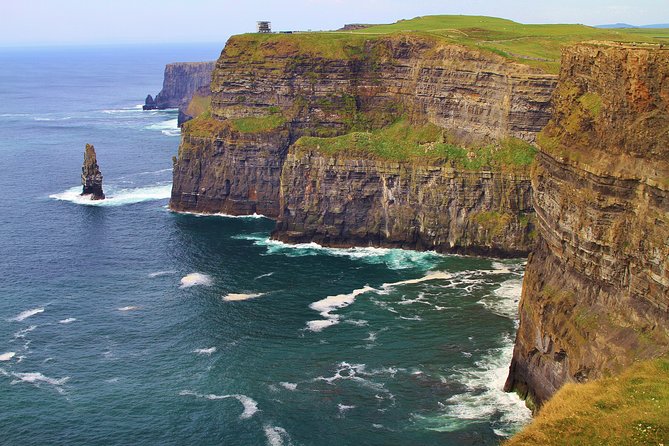
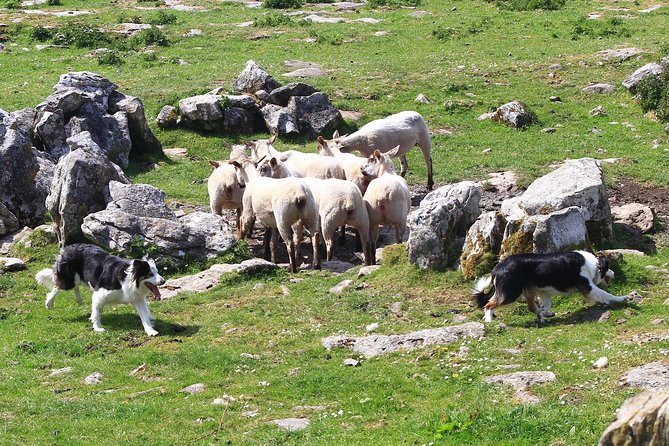
Day four starts with a classic Irish countryside show. You’ll pass through routes like Connor Pass and along golden beaches before the featured experience: a traditional Irish sheepdog demonstration. This is not a staged “look and leave” moment. You watch a farmer and his dog work together to herd sheep, and it’s the kind of tradition that makes Ireland feel more than just castles.
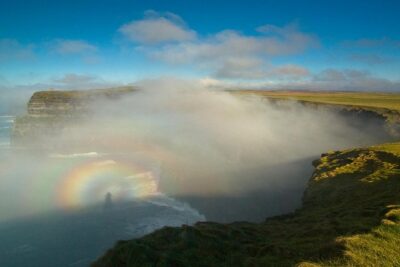
Then you head across the River Shannon by ferry into County Clare. The scenery changes, and the day starts mixing geology and iconic views with the Burren National Park and Cliffs of Moher. You’ll have admission at the Cliffs of Moher, plus time to stroll the cliff edge and soak up Atlantic Ocean views.
You end in Doolin or Ennistymon, depending on your group routing. Both work well for the evening mood, with pubs and music that feel very much like “Ireland after hours.” It’s a smart move because you get the emotional payoff of the cliffs while you’re still close enough to enjoy the local scene.
Day 5: Inis Oírr by ferry, then Cliffs of Moher from the sea, plus Galway
Today takes you onto the Aran Islands, with a ferry trip to Inis Oírr, the smallest and most remote of the Aran group. You’ll explore white-sand beaches, ancient ruins, and villages where life looks stubbornly traditional. The point here is variety. You’ve had castles and coasts, and now you get island time.
On the return, the schedule adds another Cliffs of Moher angle: you’ll enjoy a Cliffs of Moher cruise. Seeing the cliffs from the water is one of those experiences that changes how you remember the place. You also get another photography perspective, since the light hits differently over water.
Back on land, you travel through the Burren area again and then continue to Galway. Galway is a great place to arrive because it’s easy to switch from “big sightseeing day” to “walk, eat, and listen.” You’ll end with time to enjoy the city’s streets, live music, and food scene.
Day 6: Galway walking time, then Connemara at Kylemore Abbey, ending in Westport
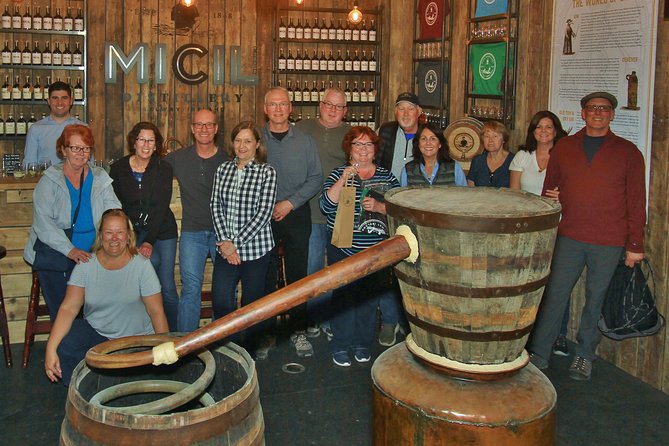
Galway is the setup for a day that blends culture and countryside. You can choose a Welcome to Galway walking tour, which introduces the City of Tribes and covers historic landmarks and the Latin Quarter. If you prefer to wander solo, you also have free time to explore on your own.
Next you head into Connemara, a region known for mountains, lakes, and small villages. The standout included stop is Kylemore Abbey & Gardens, one of Ireland’s most photographed landmarks. You’ll walk the Victorian walled gardens and have time for lunch there if you want. The abbey visit also gives you a calmer, shaded break before the drive continues.
The day ends in Westport on Clew Bay. Westport is a nice nightcap town because it feels welcoming and walkable, with streets you can explore without needing a formal plan.
Day 7: Benbulben myths and a castle hotel at Lough Eske
Day seven begins in Westport with free time to see the quay and enjoy the town’s laid-back pace. Then you head into County Sligo, with Benbulben Mountain as a key stop. The site is tied to Irish folklore, including the Diarmuid and Gráinne legend.
You then travel onward to Donegal Town and check in near Lough Eske Castle, which is described as a luxurious overnight stay. The castle hotel setting matters because it gives you a soft landing day after several intense scenic drives. You’ll have time to unwind and reflect before tomorrow’s biggest coast viewpoints.
There’s also a special note for tours departing Tuesdays: the sheepdog demonstration timing changes, and Dingle is adjusted earlier with a cookery-school experience instead. If your departure falls on Tuesday, it’s worth planning around that swap, so you don’t expect the sheepdog show at the same point as other days.
Day 8: Slieve League cliffs, Ardara distillery tasting, and Derry’s wall walk
County Donegal brings the wild side. You start with Slieve League Cliffs, among the highest sea cliffs in Europe. You’ll have time at a viewpoint that looks out over the Atlantic Ocean, and it’s the kind of stop that makes you slow down without being told to.
Then you drive through Glengesh Pass, with winding roads and changing views at every turn. Along the way, you’ll pass remote villages and hidden beaches that feel like they’re off the standard tourist radar.
Next comes a different kind of Ireland treat: a visit to Sliabh Liag Distillers at the Ardara Distillery for a tour and tasting. This is where whiskey culture enters the story, and the schedule gives you time to learn the craft, not just sample quickly and leave.
In the afternoon, you arrive in Derry and join a guided walking tour focused on the Troubles and the city’s iconic 17th-century walls. You’ll also have evening time in the city’s pubs and restaurants. Derry is one of those places where a guided history walk adds depth fast.
Day 9: Giant’s Causeway, Carrick-a-Rede, Dunluce, then Belfast at night
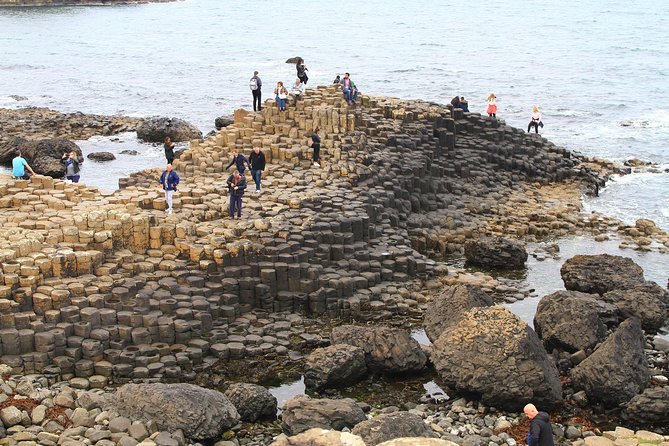
Today is the Northern Ireland “wow” day. You travel along the Causeway Coastal Route to Giant’s Causeway, a UNESCO World Heritage Site with hexagonal basalt columns formed by ancient volcanic activity. You’ll have time to walk among the columns and hear the legends connected to the site.
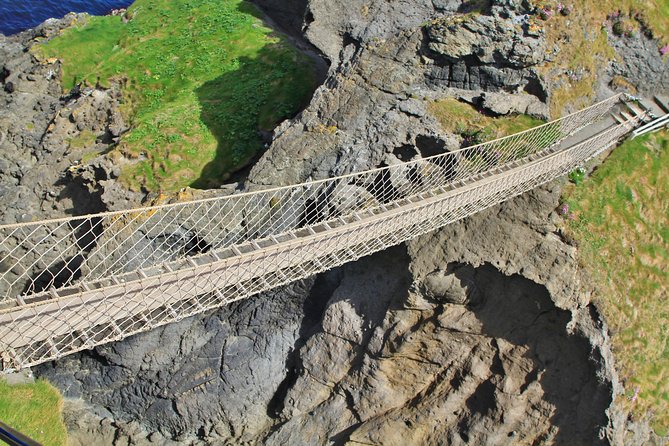
Next is Carrick-a-Rede Rope Bridge, with included access and time to take in the Atlantic Ocean views. Note the practical catch: access is weather-dependent. If it’s too rough, you might not be able to cross, but you can still often enjoy the viewpoint area.
You also stop at Dunluce Castle, perched dramatically above the sea. It’s one of the best “ruins in the right place” moments because the setting does half the work for you.
The day ends with arrival in Belfast and time to stroll the Cathedral Quarter. It’s a good evening neighborhood for street art, pubs, and dinner plans without feeling like you need to schedule every minute.
Day 10: Titanic Belfast, then back to Dublin for your last free hours
Your final day is built around a big museum hit without turning it into a rushed goodbye. You’ll start with free time in Belfast, then visit Titanic Belfast, the interactive experience built on the site where the ship was designed and launched. This is a museum that’s easier to enjoy than most, because it’s paced and hands-on, and it connects the story to Belfast itself.
After Titanic, you travel back south to Dublin. The guide then helps with local tips if you’re staying in Dublin longer. It’s a nice finish because you end in the same place that started the trip, but with a wider understanding of the country you just crossed.
Meals and free time: how to plan lunch and dinner without losing momentum
Since lunch and dinner are not included, you’re responsible for meal decisions. The upside is you can choose what fits the day: quick local bites between stops, a proper sit-down meal when you’re in a town, or a pub dinner when live music is happening.
A practical approach that works on this route is to treat lunch as flexible and dinner as planned. Lunch often happens close to stops, and you can usually find something casual. Dinner is where you can slow down, especially in places like Dingle, Galway, Doolin, Derry, and Belfast, where the schedule tends to end with time to go out.
Also keep a small travel habit: always carry a light snack and water. It’s not required by the listed plan, but it makes ferry days and cliff days more comfortable when timing shifts or queues take longer than expected.
Comfort tips for a trip that mixes ferries, cliffs, and castles
This tour includes ferries, cliff walkways, and long sightseeing legs. That means comfort comes down to two things: clothing you can layer and shoes you can trust on uneven ground.
Bring light layers and a raincoat, plus sunscreen. Wind is common along coasts, and sun can still cut through when clouds thin. For the rope bridge and cliff viewpoints, expect it to feel colder or stronger than the town you came from.
Also plan your luggage within the given limit: one suitcase up to 143 lb (65 liters) plus one carry-on bag. That rule matters on small-group trips because you’ll be loading and unloading more often, and you don’t want gear that turns every stop into a chore.
If weather cancels an activity, the tour notes that refunds are not provided. The practical takeaway is to stay adaptable. Your day can shift, but you’ll still see the key regions.
Who this tour fits best, and who might want another style
This trip fits you if you want big highlights without the planning burden. It’s ideal for first-time Ireland visitors who want to hit Cashel, Blarney, the Aran Islands, Galway, Connemara, Donegal, Derry, and Northern Ireland’s top natural and museum stops, all with small-group logistics.
It’s also a good match if you like guided storytelling. The guide experience is a major part of why people rate this tour highly, and names like Pat O’Mara, David Armitage, and Jack Healy show up as examples of the tone you can expect: history with personality, plus calm problem-solving when conditions change.
If you prefer fully unstructured time, or if long bus days stress you out, this might feel like too much. The route is built to cover ground, and you’ll do a lot of moving.
Should you book this Dublin to Belfast small-group Ireland tour?
Book this tour if you want a reliable, well-paced route with major included entrances, serious coastal scenery, and a guide who can connect the dots between history and place. It’s especially worth it when you want Ireland’s icons plus the added Northern Ireland hits, without piecing it together yourself.
Don’t book it if your ideal trip is slow, small, and repeatable, with minimal driving and lots of room to choose from scratch. This one is structured for momentum. If that matches your style, you’ll likely love it.
FAQ
Where do we start and what time is the tour?
You start at Ashling Hotel Dublin (10 to 13 Parkgate St, Stoneybatter, Dublin 8) at 8:00 am.
Where does the tour end?
The tour ends at Heuston Station in Dublin (Heuston Station, St John’s Rd W, Saint James, Dublin 8).
What’s included in the tour price?
The tour includes 9 nights accommodation, transport by air-conditioned Mercedes Sprinter buses, breakfast (9), and a long list of ticketed experiences, including Rock of Cashel, Blarney Castle entry, Cliffs of Moher entrance, Ross Castle, Kylemore Abbey & Gardens, Giant’s Causeway, Carrick-a-Rede, Ardara Distillery tour and tasting, Slieve League, a walking tour of Derry, and Titanic Belfast.
Are lunch and dinner included?
No. Lunch and dinner are not included, and food and drinks are not included unless specifically stated.
How big is the group?
The tour has a maximum of 15 travelers.
Which days include major ferries?
A ferry trip to Inis Oírr is included, and there is also a Shannon Ferry crossing. There is also a Cliffs of Moher cruise included.
Is the Blarney Stone included?
Yes. Blarney Castle entry is included, which includes the Blarney Stone experience.
Are any activities dependent on weather?
Yes. Access to the Carrick-a-Rede rope bridge is weather-dependent. If an activity is cancelled due to weather conditions, there is no refund.
What luggage can I bring?
You’re allowed 1 suitcase up to 143 lb (65 liters) plus 1 carry-on bag.
Can I get a refund if I cancel?
This experience is non-refundable and cannot be changed for any reason. Travel insurance is recommended.
Latest to join the session in Dublin



Dublin Tours & Experiences, compared.
Dublin to Cliffs of Moher, including Wild Atlantic Way and Galway
Read our review →
Cliffs of Moher, Burren & Galway City Day Tour
Read our review →
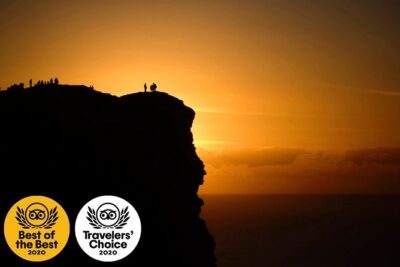
Dublin to Cliffs of Moher, Burren, Wild Atlantic Way, Galway Tour
Read our review →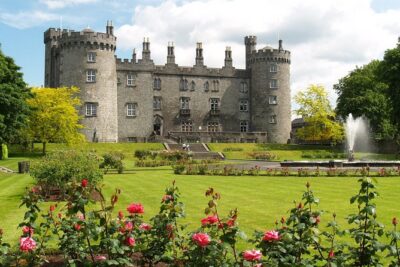
Kilkenny, Wicklow Mountains & Glendalough Day Tour from Dublin
Read our review →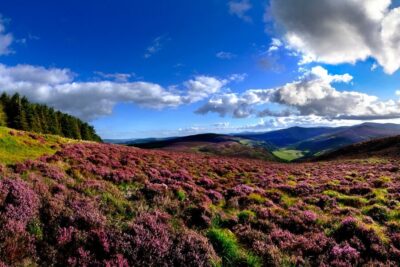
Wicklow Mountains, Glendalough & Kilkenny Tour
Read our review →