
Reviewed · CITY TOURS
Cork City Ramble
Cork’s center has a story, and you can walk it. This 75-minute ramble is a smart way to get your bearings, with strong local storytelling at major landmarks like St. Patrick Street and the English Market. I also like that the route mixes merchant and maritime Cork with civic names you will actually remember, from Rory Gallagher Place to Nano Nagle Bridge. One thing to consider, it is weather dependent, so pack for rain or wind and expect some outdoor walking.
The walk starts at 125 St Patrick’s St and ends just outside the English Market on Princes Street. Guides such as Noel and Mary have a knack for turning a short route into an orienting city intro, even when the day is gray, and the group stays small at up to 25 people.
In This Review
- Key Things You’ll Notice on This Cork Walk
- Getting Oriented Fast: St Patrick’s Street to Your First Big Landmarks
- Crawford Art Gallery Stops for Modern Cork Perspective
- Rory Gallagher Place and the Power of Local Music History
- Huguenot Cemetery: Merchant Influences You Can Actually Picture
- Grand Parade and Nano Nagle Bridge: Cork Through Names, Streets, and Water
- South Mall, War Remembrance, and the English Market Finish
- Price and Value: Why This Tour Lands in the Sweet Spot
- What It Feels Like in Real Life: Pace, Rain, and How to Position Yourself
- Who Should Book the Cork City Ramble
- Should You Book Cork City Ramble?
- FAQ
- How long is the Cork City Ramble?
- Where does the tour start and end?
- What is the price per person?
- Is the tour offered in English?
- How many people are on the tour at most?
- What kind of tickets or entry are included?
- What happens if the weather is bad?
- Is free cancellation available?
Key Things You’ll Notice on This Cork Walk
- A fast city orientation, built for first-time visitors who want the main sights without a long day
- History woven into places, from boathouse entrances to the Huguenot Cemetery
- Civic pride on parade routes, including Grand Parade and memorial stops tied to Cork identity
- Women and music, not just monuments, with Nano Nagle Bridge and Rory Gallagher Place
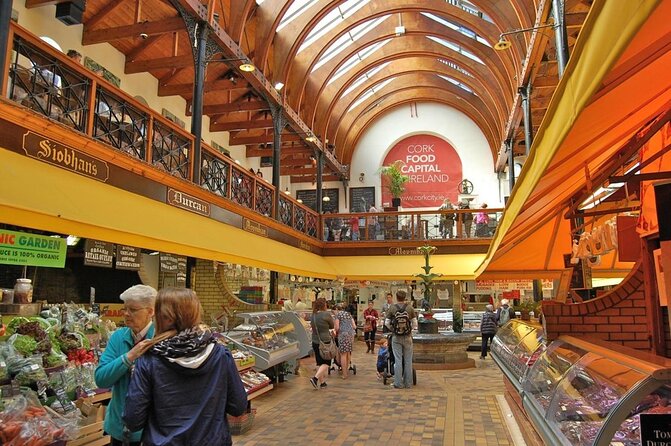
- English Market as the finish line, where the story lands on real food and daily life
Getting Oriented Fast: St Patrick’s Street to Your First Big Landmarks
Cork City Ramble is timed like a practical city plan. You start near the center, then you work your way through the street-level highlights without spending your whole day commuting between far-flung stops. In about an hour and change, you come away with a mental map you can use for the rest of your visit.
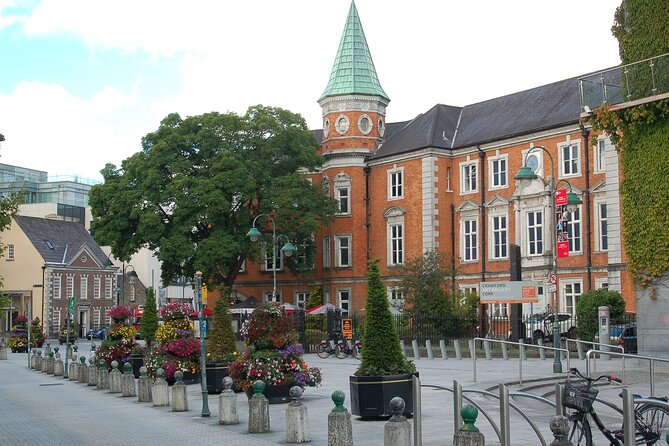
The first meeting point is the Cork City Tourist Information Centre area at 125 St Patrick’s St. From there, the guide sets expectations and does the usual health and safety check, which matters because the tour is mostly outdoors. The start location is also convenient because you are already in the thick of the action, so you do not lose time getting to the “real” Cork.
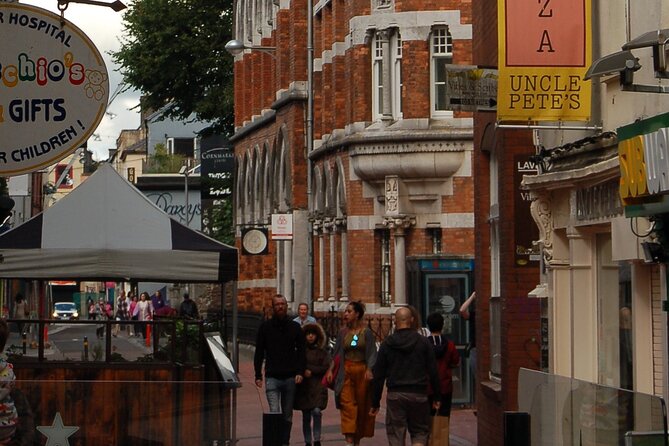
Then you head onto St. Patrick Street, the city’s main spine. This is where the tour helps you see more than just storefronts. You get a sense of how the street bends and meanders through the center, and you also spot the remaining boathouse entrances. That detail is a big deal because Cork is not only a land city. It is a port city, and the river and historic dock activity still echoes in the architecture and layout.
If your day is rainy, this is still a solid pick. One of the best things about this tour style is that it keeps moving and keeps the explanation tight, so bad weather does not automatically shut down the experience. You might just want to stand a little closer to your guide when it gets windy, so you catch every detail.
Crawford Art Gallery Stops for Modern Cork Perspective
After your first set of street sights, you shift into a more arts-and-stories moment near Crawford Art Gallery. This is a quick stop, but the point is not just to look at a building. You learn how the gallery emerged and what it is known for, which adds a different angle to the city.
In practical terms, this breaks up the walk. After St. Patrick Street, your brain is likely absorbing a lot of names, dates, and street history. A short gallery-focused segment is a nice reset, and it also gives you a cue for how to spend time later on your own. If you enjoy what you hear, you can decide whether to return for a longer visit.
The tour lists this as an admission ticket free stop, so you do not feel like you must pay extra on the spot to keep learning. It is the kind of inclusion that helps a budget-minded traveler keep control.
One more thing I like: this kind of stop makes Cork feel more than “old stones.” Even on a short walk, you get a sense of what the city values now, not only what it was centuries ago.
Also keeping time in Cork



Rory Gallagher Place and the Power of Local Music History
Next up is Rory Gallagher Place, a stop built around a memorial connection. You learn about Rory Gallagher’s ties to Cork and his musical achievements, and it comes with the kind of local pride that makes a memorial feel personal instead of distant.
This part is especially useful if you are a music fan, even a casual one. You might know the name, but the tour is designed to connect him to place, so the city feels like it produced real talent, not just tourists’ postcard backdrops. Also, because the stop is tied to a known figure, it gives you a strong “anchor” memory. You will likely remember Rory Gallagher Place long after the walking shoes come off.
The tour includes an admission ticket for this stop. That is one of those small value signals. You are not only listening, you are also being guided through specific points that are worth entering or formally visiting.
If you want to do more later, this stop also helps you scan the city with new eyes. After hearing how Gallagher is linked to Cork, you might notice how the city celebrates artists across streets, signage, and public spaces.
Huguenot Cemetery: Merchant Influences You Can Actually Picture
Then you move into Huguenot Cemetery, and the tone shifts a bit. This is not a quick “pretty scenery” stop. You hear the story of the Huguenots arriving in Cork and how they influenced commercial and political life.
It is one of the more meaningful moments on the route because you are learning about people, not just events. The Huguenots are part of Cork’s story in a way that connects religion, migration, and economics, and the cemetery setting helps you grasp that impact is not abstract. It is rooted in real lives and real community change.
As a visitor, this stop is valuable because it corrects a common tourist shortcut. Many short tours over-focus on kings, castles, or saints. Here, the emphasis includes merchant history and civic development, so Cork feels like a working port city shaped by newcomers as well as old families.
This stop is listed with an admission ticket included. That matters for value, because you get access or structured viewing where it counts. You also get a sense that the tour is thoughtful about what it includes, not only what it can quickly point at from the sidewalk.
Next tune called in Cork:
- Ring of Kerry Day Tour from Cork: Including Killarney National Park
★ 4.5 · 663 reviews - Cobh (Cork) to Blarney Castle & Kinsale – Shore Excursion
★ 5.0 · 504 reviews - Shore Excursion From Cork: Including Blarney Castle and Kinsale
★ 4.5 · 470 reviews - Cork: Jameson Irish Whiskey & Midleton Distillery Experience
★ 4.8 · 442 reviews
Grand Parade and Nano Nagle Bridge: Cork Through Names, Streets, and Water
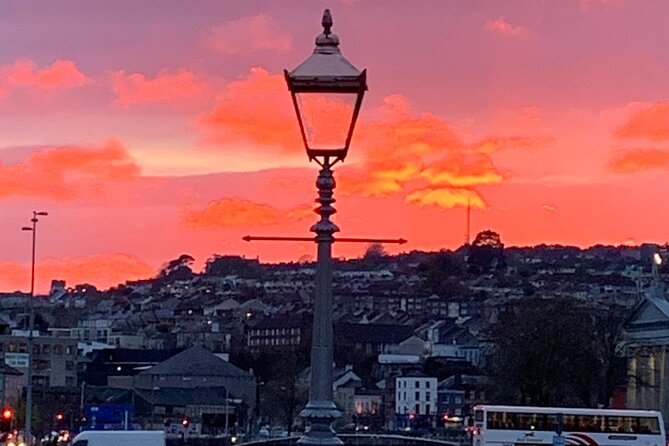
The walk then shifts to Grand Parade. This is a “resplendent street” moment, where you learn about the Berwick fountain, Bishop Lucey Park, and the Grand Lodge of Tuckey Street. The names can sound like trivia, but that is exactly why a guided walk works. Without context, you may pass these features and never realize they are landmarks with roles in Cork’s public life.
Grand Parade is also helpful as a mental transition. By the time you reach it, you have already seen St. Patrick Street’s energy. Now you get a different view of how Cork presents itself in civic space, with public works and prominent buildings that suggest confidence and organization.
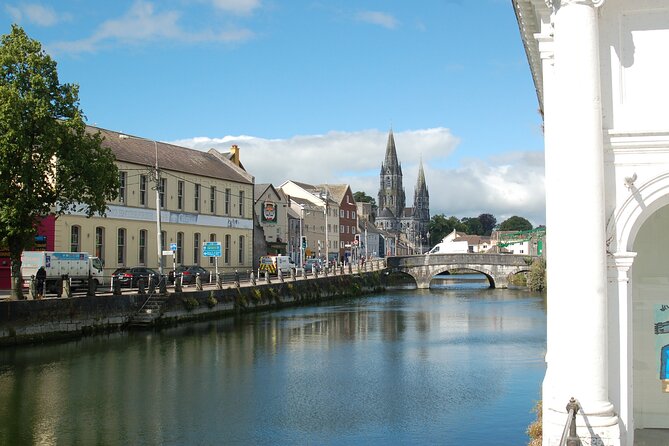
After that comes Nano Nagle Bridge, and this is one of the more distinctive stops on the route. You learn the story of Nano Nagle’s pioneering achievements, and you see the significance of the first bridge in Cork city named after a woman. The tour also connects the area to nearby Fortress and Cathedral locations.
This is a powerful combination because it pairs an individual story with a place-based geography lesson. It helps you understand why some landmarks get named the way they do, and why certain areas matter. Also, it is a reminder that Cork’s history is not only men-in-monuments history. A bridge named for a woman is a pretty clear signal that the city keeps track of community contributions.
Nano Nagle Bridge is listed as a free stop, so it is another “learn without extra fees” moment.
South Mall, War Remembrance, and the English Market Finish
Next you reach South Mall, a business street with commercial importance. You see more examples of the boathouse entrances, which ties back to St. Patrick Street and reinforces the port-city theme. This repetition is not redundant. It helps you notice the pattern, so Cork’s waterfront history stops being a one-off detail and becomes an actual thread in your understanding.
South Mall is also where the tour points out a war memorial and the National memorial. This is the kind of stop that can feel heavy, but it is also grounding. It reminds you that Cork is not only about trade and art, it is also about how communities remember sacrifice and national events.
Then the tour reaches its conclusion outside the English Market, on Princes Street, right near the main entrance. The English Market is where everything clicks into everyday life. You learn the origin and operation of the market, including a note that Queen Elizabeth visited, and you hear about the range of foodstuffs and traditional fare available there.
The finish matters because you end with options. If you want to snack, you can. If you want to browse and compare foods, you can. If you want lunch later, the market gives you ideas for what to look for in Cork. For many people, ending here turns a guided hour into a practical food plan.
This stop is free on the tour, which is smart value. You can spend your money where you choose, not where the tour forces you.
Price and Value: Why This Tour Lands in the Sweet Spot
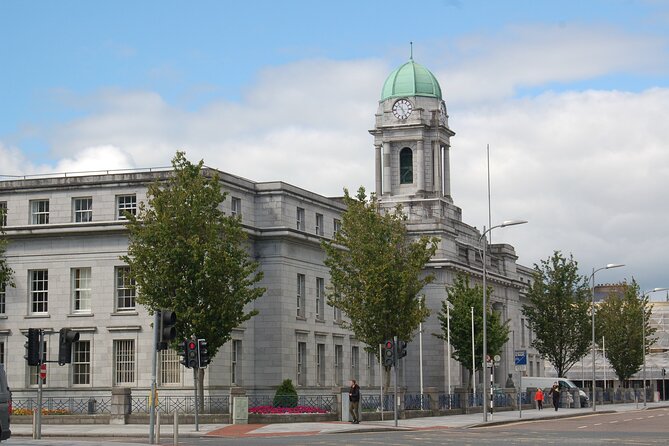
At $36.30 per person for about 1 hour and 15 minutes, this is priced like an entry-level walking tour, not a premium day-long excursion. What makes it feel like good value is how the itinerary is structured around learning plus access to select sites.
Some stops include admission tickets, and others are free. The mix matters. It means you are not paying for a whole chain of paid attractions. Instead, you get a few key moments where entries or formal viewing likely enhance the experience, like the Huguenot Cemetery and Rory Gallagher Place.
You also get a mobile ticket, and the tour is offered in English. That combination is important for independence. You do not need paperwork or complicated check-in steps on the street.
And then there is the group size cap of 25. For a short walking tour, a smaller group helps you actually hear the guide and stay oriented. It also makes questions easier, which you will appreciate if you like to ask how one place connects to another.
If you’re weighing it against doing only self-guided walking, think of it this way. Self-guided is cheap, but you pay with confusion. This tour is paid clarity, plus a route that ends where you probably want to be anyway.
What It Feels Like in Real Life: Pace, Rain, and How to Position Yourself
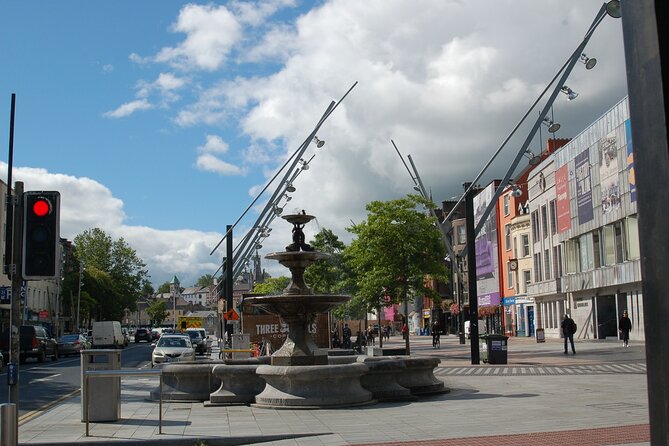
This is a walking tour. It is not a sit-and-listen museum loop. The upside is that you see Cork’s center in motion, and you learn how the streets relate to each other. The downside is obvious but manageable: your legs and shoes matter.
The good news is that the tour is built for most travelers. Service animals are allowed, and the meeting point is near public transportation, which makes it easier to fit into a travel day without stress.
Weather is the big reality check. The experience requires good weather, and if it is canceled due to poor conditions, you are offered a different date or a full refund. That is fair. Ireland is Ireland, so bring a rain layer you can actually walk in.
Sound can also be a factor in a busy city. One traveler noted that voice projection could be an issue in louder streets. So here is my practical move: when the crowd is thick or the wind rises, stand where you can hear clearly. Do not assume the guide will be perfectly audible everywhere along the route.
One more small note: tours can run a bit long when the guide and group are really clicking. That can be a bonus if you enjoy conversation, but it also means your “after tour” plans should stay flexible.
Who Should Book the Cork City Ramble
This tour fits best if you want:
- A high-impact Cork introduction without a full day
- A route that connects street layout to history, not just names
- A blend of maritime and merchant context with civic landmarks
- A good ending point at the English Market, where you can eat and keep exploring
It is also a great choice if you are traveling solo but want a guided structure that does not feel overly formal. With a max of 25 people, it stays social without turning into chaos.
If you already know Cork well or you hate walking, you might prefer a shorter option. But if you are in town for a day or two, this gives you the kind of orientation that makes your self-guided time afterward smarter.
Should You Book Cork City Ramble?
I think you should book it if you want a focused, walkable overview with a strong narrative thread, from boathouse entrances and merchant influence to memorial stops and the English Market finish. The price feels reasonable for the time, and the inclusion of admissions at key points helps justify paying for a guide instead of guessing your way around.
Skip it only if you know you cannot handle outdoor walking in changeable weather, or if you are looking for deep museum time rather than city storytelling on the move. Otherwise, this is a solid way to understand Cork’s center quickly, so your next steps feel less like wandering and more like exploring on purpose.
FAQ
How long is the Cork City Ramble?
It lasts about 1 hour and 15 minutes.
Where does the tour start and end?
It starts at 125 St Patrick’s St, Centre, Cork and ends outside the main entrance to the English Market at 2 to 3 Princes St, Centre, Cork.
What is the price per person?
The price is $36.30 per person.
Is the tour offered in English?
Yes, the tour is offered in English.
How many people are on the tour at most?
The tour has a maximum of 25 travelers.
What kind of tickets or entry are included?
You get a mobile ticket, and the tour includes admission tickets at some stops, while other stops are listed as free.
What happens if the weather is bad?
This experience requires good weather. If it is canceled due to poor weather, you are offered a different date or a full refund.
Is free cancellation available?
Yes. You can cancel up to 24 hours in advance for a full refund. If you cancel less than 24 hours before the start time, the amount you paid will not be refunded.
Latest to join the session in Cork




City Tours, compared.

Cliffs of Moher, Burren & Galway City Day Tour
Read our review →
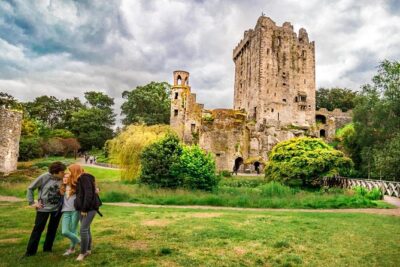
Dublin to Rock of Cashel, Cork City & Blarney Castle Guided Tour
Read our review →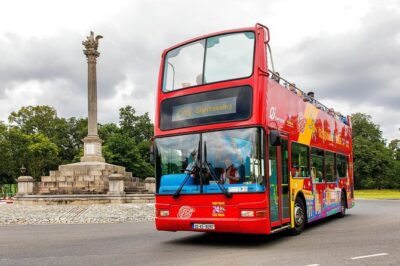
City Sightseeing Dublin Hop-On Hop-Off Bus Tour
Read our review →

Go City: Dublin Pass | Save up to 50% – Includes 35+ Things To Do
Read our review →

Aran Islands and Cliffs of Moher Day Cruise sailing from Galway City Docks
Read our review →Browse the lists this tour appears in