
Reviewed · NEWGRANGE & BOYNE VALLEY HERITAGE TRIPS
Dublin: Boyne Valley with Newgrange and Bru Na Boinne Entry
A single day in the Boyne Valley feels like time travel with a map. You get skip-the-queue entry to Newgrange and Bru Na Boinne, then your guide ties the megaliths to the later stories of Ireland. I also love how the trip keeps moving at a human pace, with enough guided time at each stop to make the sights click fast.
The only drawback to plan around is lunch. Food is not included, and the options at the Newgrange Visitor Centre can be limited, so bring snacks or plan your meal carefully.
In This Review
- Key highlights at a glance
- From Dublin to the Boyne Valley, without the headache
- Newgrange: a tomb that also acts like a sundial
- Bru Na Boinne and Knowth: UNESCO space, not a quick cameo
- Battle of the Boyne Visitor Centre: the 1690 lesson with long shadows
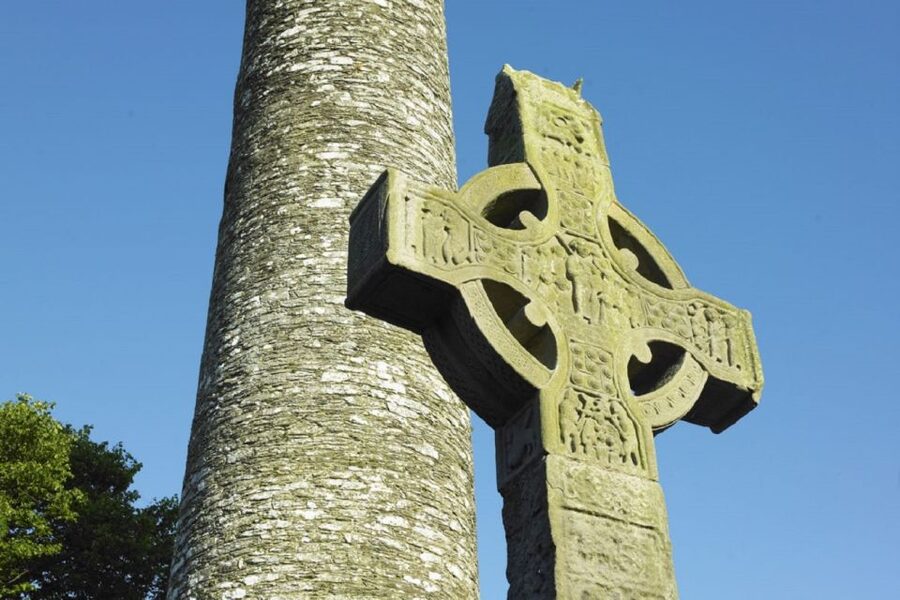
- Monasterboice: round tower views and Muiredach’s high cross
- The Boyne Valley drive: rolling scenery that makes history feel real
- Pricing and what you actually get for $96
- What to pack and how to handle the day’s rhythm
- Guides and timing: why people rave about the storytelling
- Who this Dublin day trip is best for
- Should you book this Boyne Valley day trip?
Key highlights at a glance
- Skip-the-queue admission to Newgrange and Bru Na Boinne saves real time
- A long Newgrange block gives you both a guided visit and time to take photos
- Bru Na Boinne seasonal variation can shorten the Knowth portion in winter months
- Battle of the Boyne Visitor Centre context in about 1 to 1.5 hours, with plenty of story for modern Ireland
- Monasterboice in one focused stop with a round tower and major Celtic high crosses
- Well-timed minibus day trip starting near the Molly Malone statue and returning around late afternoon
From Dublin to the Boyne Valley, without the headache
This is a straightforward day trip built for people who want the big UNESCO hits without renting a car or playing parking roulette. You meet at the Molly Malone statue on Suffolk Street, and you look for a small white minibus with the HilltopTreks sign. After a coach ride that’s about an hour to get you into County Meath country, you start hitting the sites.
What makes the logistics work is the rhythm. There’s dedicated time at each place, not a frantic stop-and-rush. And your guide spends the in-between minutes setting the scene, which helps you understand what you’re looking at when you arrive, instead of just snapping photos and hoping for the best.
Newgrange: a tomb that also acts like a sundial
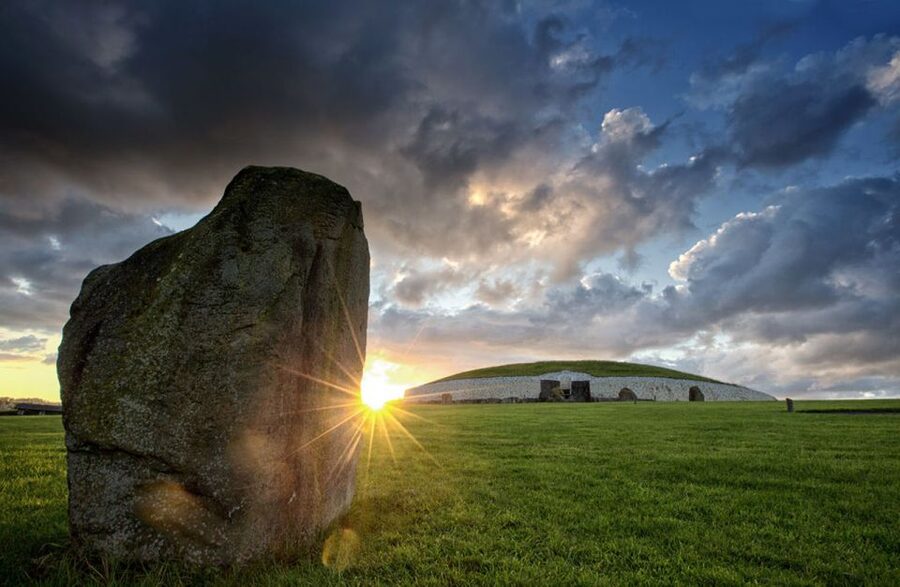
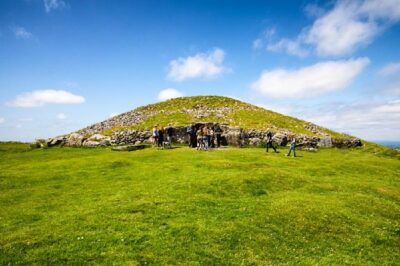
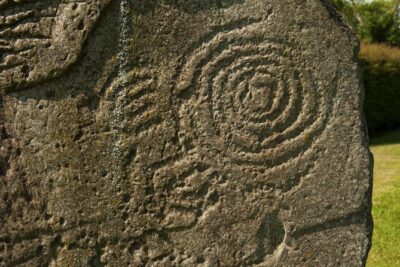
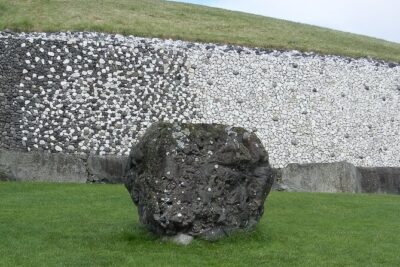
If you only do one thing in the Boyne Valley, it should be Newgrange. This is a megalithic passage tomb with astrological, religious, and ceremonial importance, and the guided visit is what turns it from impressive rocks into a story you can actually picture. You get a photo stop plus a guided tour, with a full stretch of time on site.
Here’s the practical value: Newgrange is not just old. It’s engineered. The timing and design are tied to light and celestial events, and that comes through best when a guide puts the pieces together while you’re there. One of the most memorable moments people look for is the light effect around equinox periods, and even if you do not catch the exact moment, you still leave with a clear sense of how the structure is meant to interact with the sun.
The pace matters here. You are not herded out the moment you enter. Instead, you have time to look closely, then listen, then look again with new context.
More passage tombs lit at the solstice:

Bru Na Boinne and Knowth: UNESCO space, not a quick cameo
Bru Na Boinne covers several major monuments along the Boyne Valley, and the tour includes your entrance to the complex. In many seasons, Knowth is part of the day. In the winter stretch from Nov 1 to Mar 1, Knowth is not accessible, so your Bru Na Boinne portion is slightly shorter. If you’re traveling in those months, that change is worth knowing up front so you do not feel like something was missed.
What I like about including Bru Na Boinne is that you get variety in the “what am I looking at” question. Newgrange is the headline tomb. Bru Na Boinne gives you the wider setting, where you can see how multiple monuments relate to one landscape and a long human timeline. It’s one thing to learn about Ireland’s Neolithic era in a classroom. It’s another to stand in the same valley where people laid these stones down over 5,000 years ago.
And yes, skip-the-queue access matters. Tomb entry is tightly controlled, and time wasted in line is time you could be using to actually look, ask questions, and take in the views.
Battle of the Boyne Visitor Centre: the 1690 lesson with long shadows
After megalithic tombs, the tour pivots to something very different: the Battle of the Boyne Visitor Centre. You spend about 1 to 1.5 hours here, and the point is not just dates. It’s why this fight still shapes identity and politics.
In 1690, the Battle of the Boyne became a deciding event not only for the ruling class in Ireland, but also across Britain and Europe. The centre also connects it to the yearly July 12 commemorations by the Loyalist community, and the wider story behind the troubles of Northern Ireland. That’s heavy material, but the value of a guided stop like this is that it gives you a framework for what you see in flags, parades, place names, and conversations once you’re back in the cities.
The tour also explains the competing sides: it was a battle for the throne of England between catholic King James II and Protestant King William of Orange. And it highlights how the outcome contributed to the displacement of Irish Celts and their culture across the island. If you’ve ever wondered why this history feels present instead of past, this is the part that helps it click.
Also keeping time in Dublin
- Dublin to Cliffs of Moher, including Wild Atlantic Way and Galway
★ 5.0 · 23,331 reviews - From Dublin: Cliffs of Moher, Burren & Galway City Day Tour
★ 4.8 · 18,888 reviews - Dublin: Guinness Storehouse Entry Ticket
★ 4.6 · 16,863 reviews - Dublin to Cliffs of Moher, Burren, Wild Atlantic Way, Galway Tour
★ 5.0 · 12,924 reviews
Monasterboice: round tower views and Muiredach’s high cross
Then you head to Monasterboice, a 5th-century monastic site associated with St Bhuite. You get a shorter stop of about 45 minutes, which is perfect if you want something meaningful without losing the day to one long museum loop.
Monasterboice gives you a strong mix of buildings and symbols. The complex includes two churches built in the 14th century, a round tower from the 10th century that stands about 28 meters tall, and the world-famous Celtic high crosses. The tower is in very good condition, likely built shortly after 968, and damaged in a fire in 1098.
But the true star is the high crosses, especially Muiredach’s High Cross, about 5.5 meters tall. It’s regarded as the finest high cross in Ireland and includes Biblical carvings from both the Old and New Testaments. It’s named after abbot Muiredach mac Domhnaill, who died in 923. If you like religious art, medieval carving detail, or just reading story panels in stone, this is the stop that will reward your attention the most.
The Boyne Valley drive: rolling scenery that makes history feel real
The scenery is not window dressing. The Boyne Valley runs through Meath and Louth and eventually heads toward the sea at Drogheda, and you feel that open landscape as you move between stops. It helps you understand why these settlements, monuments, and later institutions formed where they did.
This is also where the guide’s storytelling earns its keep. When your driver and guide use the ride to explain what you’re seeing, you end up with a mental map of the era transitions: Neolithic to Celtic beliefs, then monastic Christianity, then the much later Battle of the Boyne story.
You also get enough little pause-and-look moments that the day does not feel like a slideshow.
Pricing and what you actually get for $96
At around $96 per person, the price is easier to justify when you look at what’s bundled. You’re paying for transport from Dublin, a live guide, entrance fees, and skip-the-queue access to Newgrange and Bru Na Boinne. Those admission pieces and that time saved usually cost more when you try to piece together the day on your own.
Is it the cheapest way to see the Boyne Valley? No. But it’s a strong value if you care about not wasting your limited Dublin time. It’s especially worth it if you do not want to deal with multiple ticket systems, timed entries, and the stress of arranging transportation for rural sites.
What to pack and how to handle the day’s rhythm
Comfort matters on this one. Wear comfortable shoes, because you’ll be on uneven outdoor ground and moving between monuments. Bring an umbrella too, since Ireland can change the weather without asking permission.
Also plan your food expectations. Food and drinks are not included. There is a break at the Visitor Centre, and you may be able to grab something on site, but the variety can be limited. If you’re picky about lunch, or you simply want to avoid a rushed, mediocre meal, bring snacks and keep your water handy.
Guides and timing: why people rave about the storytelling
Two names come up again and again in the way the trip is described: Matt and Kevin. You’ll also see praise for drivers like Richard, especially for efficient timing and safe, smooth transport. The most repeated theme is that the guide does more than recite facts. They connect each stop to the next, then slow down when it matters.
That is how you get value out of a day like this. Without good narration, Newgrange becomes a set of photographs. With it, you understand why the structure is designed the way it is, why the valley matters, and why later history carries such weight.
Timing is also handled well. Even when a bus is delayed, the schedule adjusts so stops still land. That matters because timed entries at Newgrange and Bru Na Boinne can make a bad day trip feel impossible.
Who this Dublin day trip is best for
This trip is ideal if you want a concentrated sampling of the Boyne Valley without turning your day into logistics work. It suits first-time Ireland visitors who want both ancient monuments and the later historical stories that shape the island.
It also fits travelers who like tours when they are done right, meaning: clear pacing, real explanations, and time to look around. If you hate feeling herded, the better guides on this route tend to keep you comfortable while still moving efficiently.
If you are the type who only wants a self-guided stroll, you might find Monasterboice short, and you might want more time to wander on your own. But if you like history presented in a way you can remember later, this format works.
Should you book this Boyne Valley day trip?
I’d book it if you want the main hits of the Boyne Valley in one day, especially Newgrange with skip-the-queue entry and a guide who explains what you’re looking at. For the money, the combination of transport, entrances, and guided time saves you both stress and daylight.
I’d think twice if you’re very sensitive about lunch quality or you need long free time at each site. This is a structured day, and the on-site food break can be the weak point. Solve that with snacks, comfortable shoes, and the mindset that the value here is the sites plus the storytelling, not the picnic.
If you’re short on time in Dublin and you want an authentic, grounded way to see one of Ireland’s most important cultural landscapes, this is a strong choice.
Latest to join the session in Dublin





Newgrange & Boyne Valley Heritage Trips, compared.
Celtic Boyne Valley & Ancient Sites Day Tour From Dublin
Read our review →
Dublin to Newgrange, Monasterboice Small Group Guided Tours
Read our review →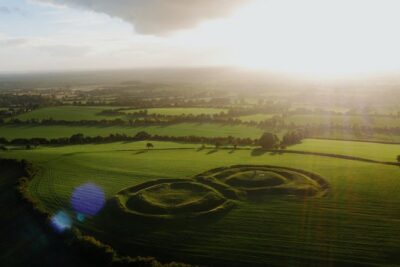
6 hour Half-Day Award Winning Private Tour of the Boyne Valley
Read our review →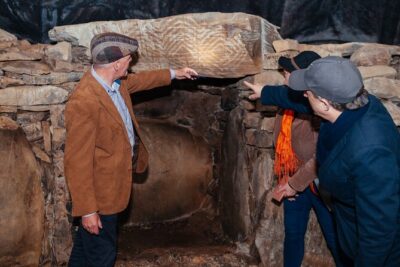
Full-Day Irelands Ancient Boyne Valley Private Guided Tour
Read our review →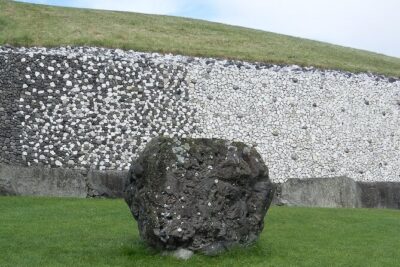
Private Luxury Tour of Newgrange and The Hill of Tara
Read our review →
Private Tour from Dublin: Hill of Tara Trim Castle, Celtic sites
Read our review →Browse the lists this tour appears in