
Reviewed · MUSEUMS
Dublin: Irish Famine Exhibition Entry Ticket
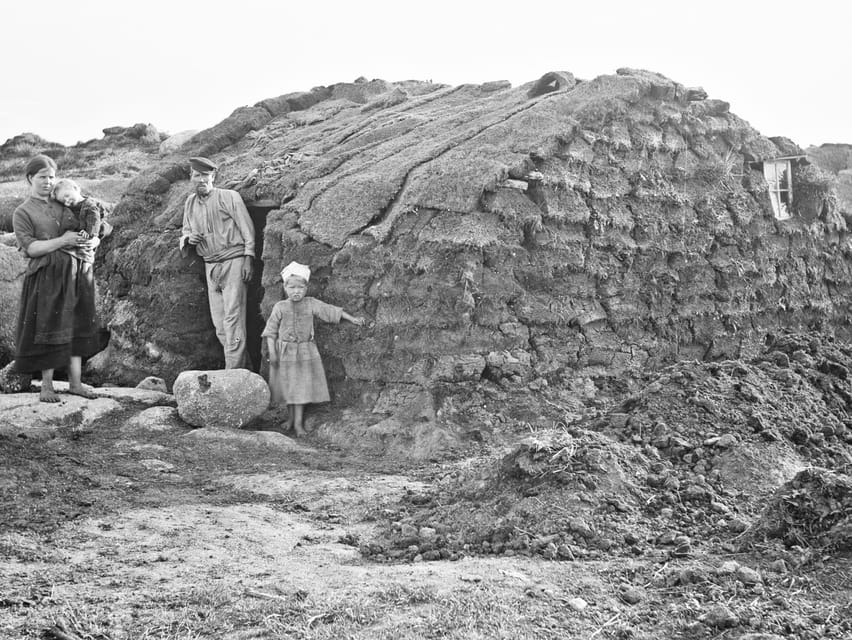
Few places hit as hard, so clearly. This Irish Famine Exhibition uses step-by-step storyboards, rare 19th-century photos, and original documents to explain what happened during the Irish Potato Famine. I like the tight, self-paced layout, and I also appreciate the fact that you can sit down in each room, then reset with a 15-minute overview film.
Two standout things: the display of original materials (newspapers and personal letters) makes the story feel human, and the included translation manual makes it easier to follow without guessing. The one drawback to plan for is the subject matter, it is grim, with images and themes focused on evictions, workhouses, and death.
In This Review
- Key Things to Know Before You Go
- Irish Famine Exhibition Inside Stephens Green: What You’re Really Seeing
- Finding Unit 200b and Planning a 1-Hour Visit
- The Step-by-Step Storyboards: Room by Room Timeline Clarity
- 15-Minute Overview Film: Use It as Your Mid-Visit Reset
- Original Letters, Newspapers, and a Cast Iron Soup Pot
- The “Famine” Debate: A Question the Exhibit Wants You to Ask
- Tickets, Price, and Value for Dublin
- Timing and Starting Times: Fit It Around Your Day
- What to Expect on the Ground (So You’re Not Caught Off Guard)
- Who This Entry Ticket Is Best For
- Buying the Book or USB Stick at Reception
- Should You Book the Irish Famine Exhibition Ticket?
- FAQ
- Where is the Irish Famine Exhibition located in Dublin?
- What are the opening hours?
- How long should I plan to spend there?
- Is the exhibition wheelchair accessible?
- What is included with my entry ticket?
- What languages are available in the translation manual?
- Is the 15-minute overview film included?
- Can I buy a book or USB stick on site?
- How long is the ticket valid, and what should I check when booking?
Key Things to Know Before You Go
- A self-paced, room-by-room walkthrough built around storyboards that move step by step
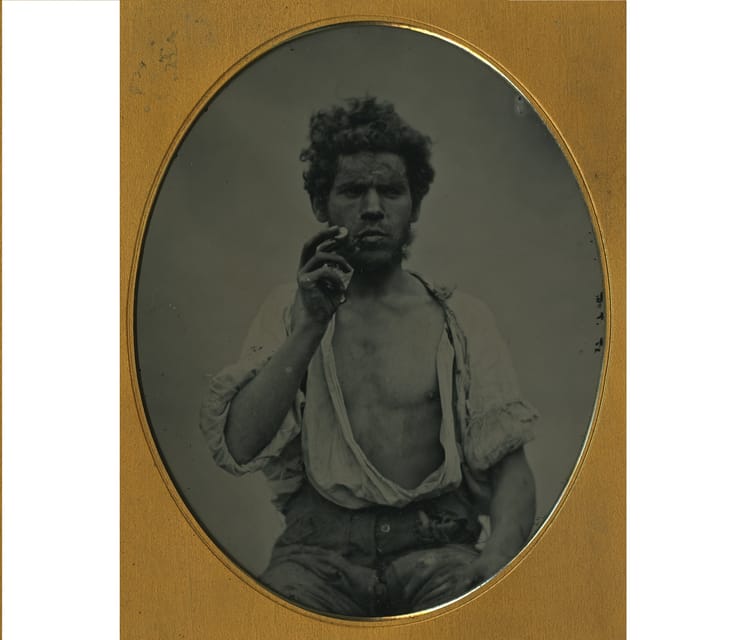
- Rare 19th-century photographs and original documents that ground the story in real evidence
- A 15-minute overview film with seating available, so you can catch your breath mid-visit
- Human-scale artifacts like personal letters and a cast iron soup pot
- Daily hours from 12pm to 6pm, with you visiting whenever it fits your day
Irish Famine Exhibition Inside Stephens Green: What You’re Really Seeing

This exhibition tackles the Irish Potato Famine with a simple promise: you’ll leave understanding what happened, not just hearing a headline. It’s built as a sequence of rooms, each one centered on storyboards that guide you through the timeline and the cause-and-effect of the crisis.
What makes it especially useful is the mix of formats. You get visual material, short written displays, and original items like newspapers and letters. That combination helps you build a mental picture fast, even if you only have about an hour.
Also, the exhibition doesn’t shy away from how the event is described. The word famine is presented as controversial because Ireland at the time was part of the British Empire, and the question raised is how a catastrophe like this could happen when food existed. That framing matters, because it turns the visit from a basic tragedy story into a real-world question about power, policy, and survival.
Finding Unit 200b and Planning a 1-Hour Visit
You’ll find the exhibition in Stephens Green Shopping Centre, in unit 200b. If you enter from the main entrance off Grafton Street, you’ll spot an elevator on the right about 20 meters in. Take the elevator up to the 2nd floor, then go left.
If you’re coming from the car park entrance, the exhibition is at the opposite end of the centre. It’s easy to miss if you rush, so I suggest taking 1 minute to orient before you start walking.
Plan on at least one hour. The experience is self paced, and the room setup is designed so you can pause without feeling like you’re holding up a tour group. You’ll also see seating in each room, which helps if you want to slow down and read everything carefully.
More Museum Tours in Dublin



The Step-by-Step Storyboards: Room by Room Timeline Clarity
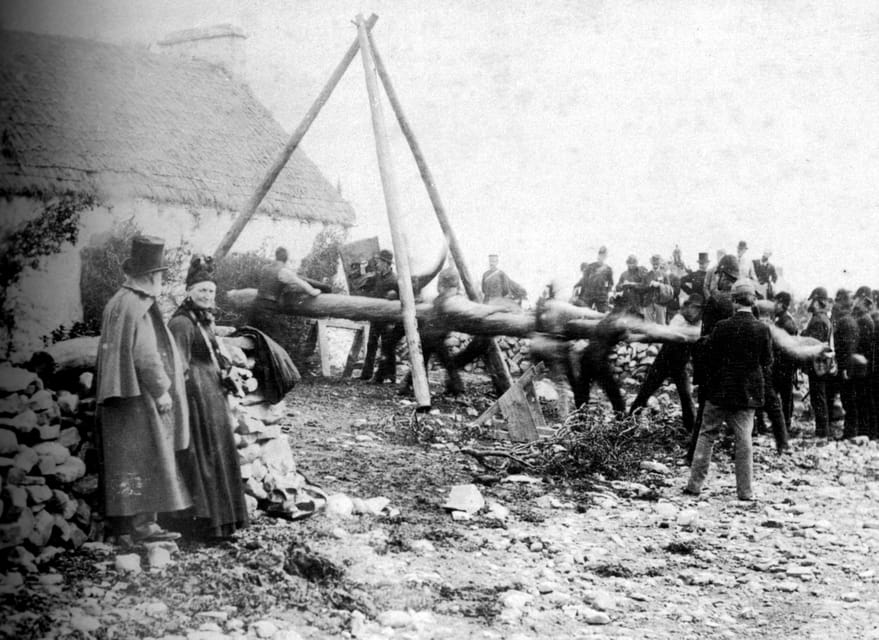
The core of the exhibition is the storyboard approach. Each room focuses on one part of the story, then moves on to the next, so the narrative builds instead of feeling like random facts on walls.
Here’s what the exhibition highlights as you move through:
- Rare 19th-century photographs of Ireland, used to show what the country and people were facing
- Workhouses, including how they functioned in the crisis
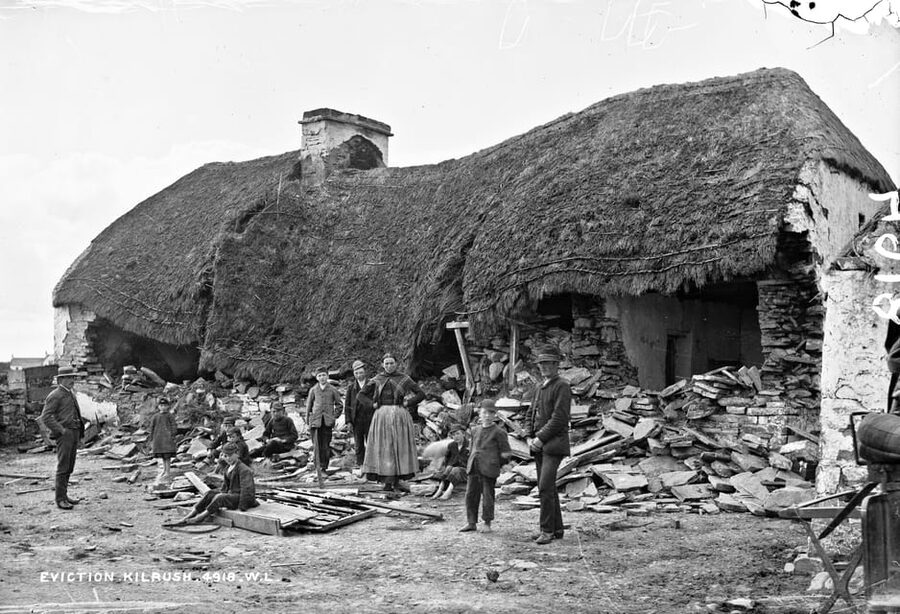
- Evictions, which you’ll see explained as part of the collapse of livelihoods
- Coffin ships and disease, which connects the famine to what happened to so many who were trapped or forced to flee
The practical benefit is that you’re never forced to “figure it out” on your own. Even when the content is heavy, the pacing is calm. You can spend more time on the parts that matter to you, and skip the rest without losing the overall meaning.
15-Minute Overview Film: Use It as Your Mid-Visit Reset
There’s a 15-minute overview film in the middle of the experience flow. The exhibition has seating set up for the film, and you can use it like a reset button.
If you start reading too fast, the film helps you stitch the information together. If you already feel overloaded, it gives your brain a structured break while still staying on topic.
Because the exhibition is built around storyboards, the film isn’t a separate detour. It supports the same narrative thread, so you’re not switching gears into something unrelated.
More collections out of the drizzle:
- Giant’s Causeway with the Titanic Exhibition and the best of Northern Ireland
★ 5.0 · 1,122 reviews - Dublin: Irish Whiskey Museum Tour and Whiskey Tasting
★ 4.6 · 999 reviews - Dublin: EPIC Museum Entrance Ticket
★ 4.6 · 816 reviews - Irish Whiskey Museum: Whiskey Blending Experience
★ 5.0 · 577 reviews
Original Letters, Newspapers, and a Cast Iron Soup Pot
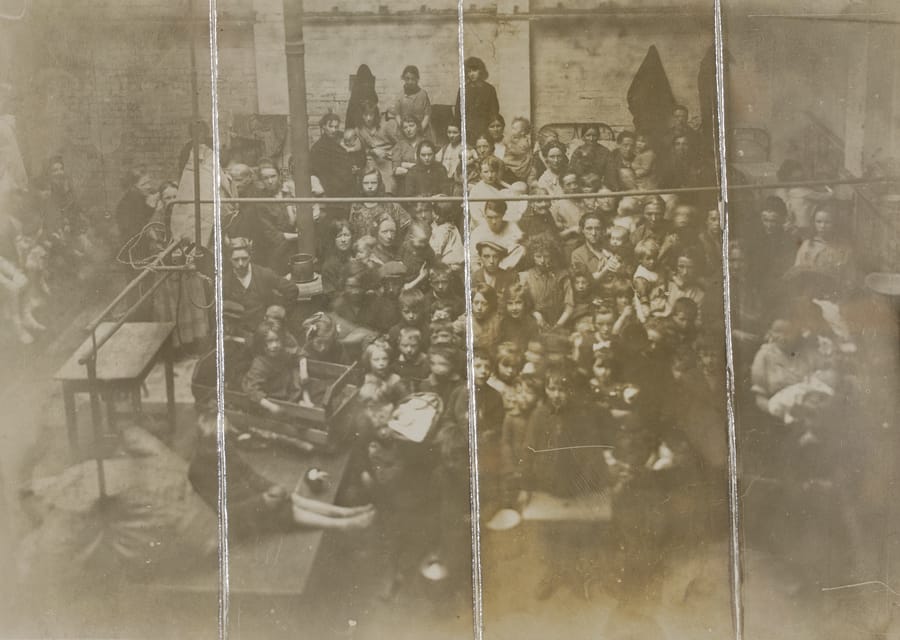
This is where the exhibition shifts from “what happened” to “how it felt.” You’ll see original newspaper articles about the catastrophe, plus personal letters that put names and relationships into the story.
Two letters are specifically displayed:
- one letter from a tenant to his landlord
- one letter from a father to his son
That tenant-to-landlord angle is powerful because it highlights the imbalance of power during the period, and the father-to-son letter underscores the way families were stretched by hunger and uncertainty. Even if you only skim, you’ll feel the emotional weight of the documents.
An original cast iron soup pot is also on display. It’s a small object compared to the big headlines, but that’s the point. Food scarcity becomes concrete when you see something built for cooking and feeding, right alongside the story of what families could not reliably get.
The “Famine” Debate: A Question the Exhibit Wants You to Ask
You might think you already know the story as a simple famine caused by potato failure. The exhibition adds a crucial complication: it notes that the use of the word famine is controversial, because Ireland was part of the richest empire in the world at the time.
Then it raises a tough question: there was sufficient food in the country during those years, so how could over a million people die from starvation and disease, and millions more flee?
That framing is valuable for you as a visitor because it encourages critical thinking rather than rote memorization. Instead of stopping at tragedy, you start asking what systems allowed the disaster to spread, who had control, and what policies shaped people’s access to survival.
Tickets, Price, and Value for Dublin
The ticket price is $16 per person. For Dublin, that’s a straightforward deal for a history exhibition you can do at your own pace.
Here’s what makes the value feel real:
- You’re getting entry to the full exhibition, not just a single room
- You’re also getting access to the 15-minute overview film area
- The ticket includes a translation manual in French, German, and Italian
- You can plan around your schedule because the ticket is valid 180 days
To translate that into practical travel advice: if you have even a small opening in your day, you can fit this in without over-planning. And because it is self paced, you can spend the hour reading what interests you most, instead of rushing through someone else’s script.
Timing and Starting Times: Fit It Around Your Day
The exhibition is open every day from 12pm to 6pm. Your ticket is valid for 180 days, but you still need to check availability to see starting times.
That combination is helpful. It’s flexible across months, but you still pick a start time slot when you book. If you tend to build your itinerary loosely, this ticket supports that style, since you’re not locked into a single day.
What to Expect on the Ground (So You’re Not Caught Off Guard)
This is not a “light” museum stop. The exhibition covers workhouses, evictions, coffin ships, and disease, plus the reality of starvation and forced emigration. You’ll likely feel it in your gut if you read the displayed text closely.
If you’re bringing kids, consider your approach. The content is serious and emotionally intense. For many families, it can work best if you preview the general theme first and decide what level of detail you want your child to absorb.
If you’re sensitive to graphic historical topics, pace yourself. The seating in each room is there for a reason. Take breaks, sit down, and give yourself permission to move slowly.
Who This Entry Ticket Is Best For
This ticket is a strong match for you if:
- you want an easier-to-follow, step-by-step explanation rather than a scattered museum visit
- you care about original documents, not just general displays
- you want a compact experience in a Dublin location that you can reach from central walking routes
It’s also a good fit if you like exhibits that respect your pace. You can sit in each room, read without pressure, and watch the film when you’re ready.
You might want to reconsider if you only want quick, surface-level history. The exhibition is designed to be concise, but it still expects you to engage with difficult material.
Buying the Book or USB Stick at Reception
At the reception desk, you can purchase the exhibition’s book and USB stick. The USB content includes storyboards broken into film format, set with mood music, and it also includes the 15-minute overview film.
If you like revisiting what you learned, this is useful. You can keep the story straight after your visit and review it later, when the emotional shock has cooled a bit.
Should You Book the Irish Famine Exhibition Ticket?
Book it if you want a focused, one-hour visit that uses photos, letters, newspapers, and artifacts to explain the Irish Potato Famine clearly. The inclusion of a translation manual in French, German, and Italian also adds real comfort if you want to read carefully instead of skimming.
Skip it only if you know this topic will be too hard for you right now. The exhibition aims to help you understand what happened, and it does not sugarcoat the details.
If you want a Dublin stop that’s compact, evidence-based, and deeply instructive, this ticket is a strong choice.
FAQ
Where is the Irish Famine Exhibition located in Dublin?
It is located in unit 200b inside Stephens Green Shopping Centre. From the main entrance off Grafton Street, take the elevator on the right up to the 2nd floor, then go left.
What are the opening hours?
The exhibition is open every day from 12pm to 6pm.
How long should I plan to spend there?
Allow at least one hour for your visit.
Is the exhibition wheelchair accessible?
Yes, it is wheelchair accessible.
What is included with my entry ticket?
Your ticket includes entry to the Irish Famine Exhibition and a translation manual.
What languages are available in the translation manual?
The translation manual is available in French, German, and Italian.
Is the 15-minute overview film included?
Yes. Seating is available for the 15-minute overview film during your visit.
Can I buy a book or USB stick on site?
Yes. A book and USB stick are available to purchase at the reception desk.
How long is the ticket valid, and what should I check when booking?
The ticket is valid for 180 days, but you should check availability to see starting times. Free cancellation is available up to 24 hours in advance for a full refund.
Latest to join the session in Dublin







Museums, compared.
The Little Museum of Dublin Famous Guided Tour
Read our review →



Irish Whiskey Museum: Whiskey Blending Experience
Read our review →
Irish Whiskey Museum Blending Tour with Tastings
Read our review →
Browse the lists this tour appears in