
Reviewed · 1-HOUR EXPERIENCES
Explore Dublin in 60 minutes with a Local
One hour can change how you see Dublin. This walk is built for quick orientation, so you get the city’s main beats plus practical advice on where to eat, drink, and shop. I especially like the small-group feel and the local recommendations, and the trade-off is simple: you cover ground on foot and site entry tickets are not included.
If you’re short on time, this is a smart way to start. You meet at Harry Street, then finish at Temple Bar, so by the end you’re standing in the middle of Dublin’s pub-and-music scene with a sense of how everything connects. Because the route adapts to your pace, you’ll spend less time staring at maps and more time making good next choices.
I also like that it runs in English and uses a mobile ticket. It’s a classic “get your bearings fast” experience, ideal when you want the highlights without committing to a full day of museums and line management.
In This Review
- Key points to know before you go
- Why a 60-minute Dublin walk is such a smart start
- Price and what $95.58 really buys
- Harry Street to Temple Bar: how the route makes sense
- The premier shopping street stop: performers, local life, and quick tips
- Trinity College and the Book of Kells: what to expect
- The Spire of Dublin: a modern skyline marker you’ll remember
- Ha’penny Bridge and Liffey views: the classic photo beat
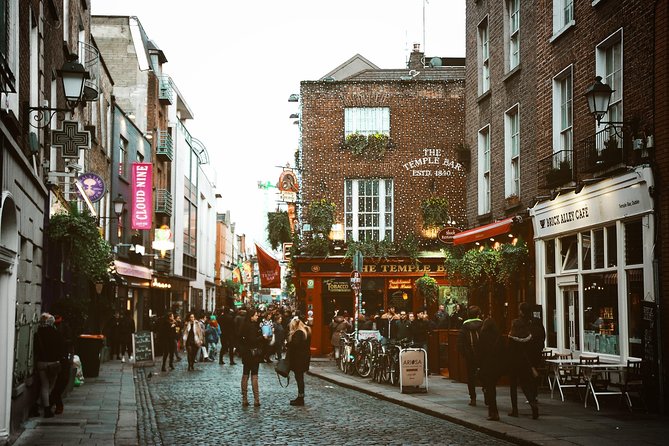
- Temple Bar: pubs and music as your cultural compass
- What a small group (up to 8) changes for you
- Guide quality matters, and the best cases feel personal
- Who should book this walk, and who might skip it
- Should you book this Dublin 60-minute with a local?
- FAQ
- How long is the Dublin 60-minute tour?
- Where does the tour start and end?
- How big is the group?
- What language is the tour offered in?
- Is a mobile ticket provided?
- What’s included in the price?
- Are museum or monument entry tickets included?
- Is free cancellation available?
Key points to know before you go
- One hour, big landmarks coverage with a walk-friendly plan
- Small group size (up to 8) for a more personal guide conversation
- Trinity College area and the Book of Kells focus with clear pointers on what to do next
- Real-world tips for where to eat, drink, and shop in Dublin
- Ends at Temple Bar so you can keep the night going right away
Why a 60-minute Dublin walk is such a smart start
Dublin is compact in the way that matters. In a single hour, you can hit several photo-worthy spots and still have time to plan the rest of your day without stress. This tour is designed as a first-day or first-evening tool, not a deep museum marathon.
What makes it work is the mix of old and new Dublin. You’ll move from a historic college and the famous Book of Kells connection, to a modern skyline marker, then down to classic Liffey views. That sequencing helps your brain organize the city instead of treating it like random streets and signs.
The other win is the human factor. A good local guide does more than point at buildings. They give you street-level guidance, like which areas feel most lively, where people tend to go for food and drinks, and what’s worth your time when you’re deciding where to wander next.
The one thing to keep in mind is pacing and walking comfort. An hour of city walking is manageable for most people, but it’s still walking, and the tour is not recommended for guests with impaired mobility.
Price and what $95.58 really buys
At $95.58 per person for about an hour, this isn’t a budget deal. But it is priced like a guided experience, with a couple of key value drivers: a local guide, a small group up to 8, and personalized recommendations.
Think of the price as paying for decision-making help. Dublin has lots of options, and your time is limited. When you get practical suggestions for where to eat, drink, and shop, you avoid the common trap of spending your first day guessing. In many cases, that kind of guidance saves you money in the long run, because you end up choosing places that fit your taste and your walking stamina.
Also, because entry tickets for transportation, museums, and monuments are not included, you’re not paying extra for things you might not do. Instead, you get a tour that sets you up to pick what fits your day after you’ve seen the key sights.
One extra practical note: this tour is often booked about 45 days in advance on average. If you’re traveling in a peak period or you want a particular weekday, booking earlier helps.
Also keeping time in Dublin


Harry Street to Temple Bar: how the route makes sense
The tour starts at Harry Street and ends in Temple Bar. That matters because you’re not doing a random loop. You’re walking from a central city meeting point to one of Dublin’s most recognizable nightlife areas.
Along the way, your guide is there to connect the dots:
- where the main shopping energy is,
- how the Trinity College area fits into Dublin’s story,
- what the Spire represents in the modern skyline,
- why Ha’penny Bridge is such a classic Liffey crossing,
- and how Temple Bar became the city’s cultural and pub hub.
By ending in Temple Bar, the tour also functions like a handoff. You finish with context, so you can move from sightseeing to enjoying Dublin without losing momentum.
The premier shopping street stop: performers, local life, and quick tips
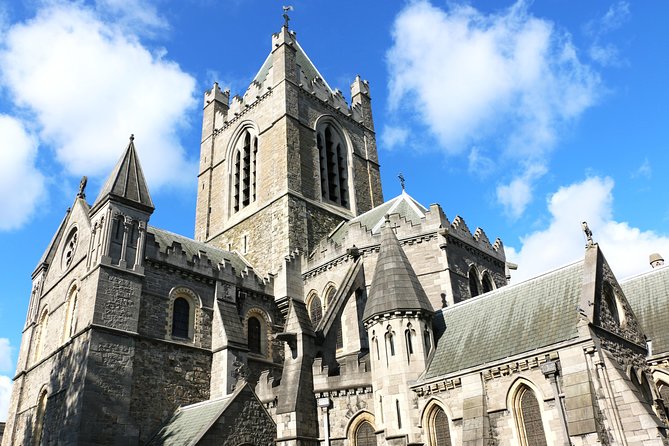
One of your stops is Dublin’s premier shopping street area, known for street performers and local charm. In this short span, the goal isn’t shopping therapy. It’s orientation plus a reality check on where the pedestrian flow and street energy are concentrated.
Here’s what you should pay attention to in this segment:
- Watch how the crowds move. Dublin streets can feel similar at first glance, and your guide will help you spot where it’s easier to wander.
- Listen for practical shopping and souvenir guidance. If you’re after small gifts or classic items, the guide’s recommendations save time.
- Notice the performer spots and photo angles. You’ll get enough time to enjoy the atmosphere without turning the tour into a long stop-and-start experience.
A drawback to remember with any shopping-street stop is that it can be crowded depending on the day. If you’re sensitive to tight spaces, it’s worth staying close to your guide and keeping your pace steady.
Next tune called in Dublin:
- Dublin to Cliffs of Moher, Burren, Wild Atlantic Way, Galway Tour
★ 5.0 · 12,924 reviews - Dublin to Belfast Black Cab, Dunluce Castle and Giant’s Causeway
★ 5.0 · 7,954 reviews - Kilkenny, Wicklow Mountains & Glendalough Day Tour from Dublin
★ 5.0 · 7,897 reviews - From Dublin: Wicklow Mountains, Glendalough & Kilkenny Tour
★ 4.8 · 6,235 reviews
Trinity College and the Book of Kells: what to expect
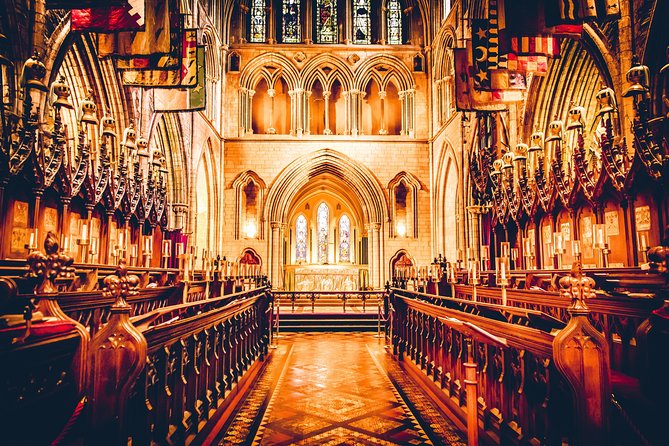
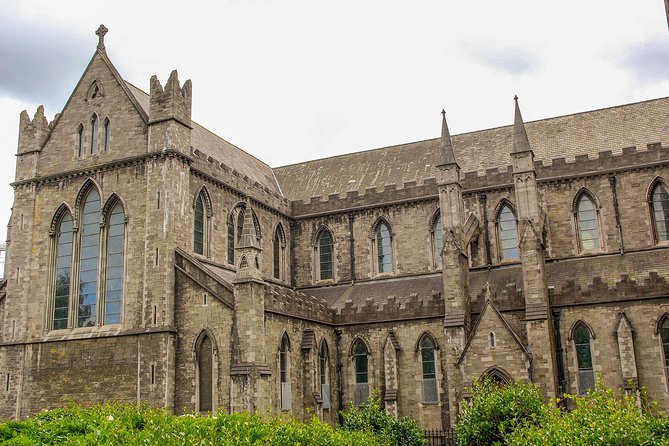
Next up is the historic campus and the Book of Kells connection. Even if you don’t plan to buy tickets for everything, this is a strong stop because Trinity College is one of Dublin’s most recognizable historic landmarks.
What you’re likely to get here is a mix of orientation and guidance. The guide helps you understand what you’re looking at and why the Book of Kells is such a big deal in the first place. You’ll get the context that makes later visits feel more meaningful.
A key practical point: entry tickets for museums and monuments are excluded. That means the Book of Kells experience itself may require additional tickets depending on what you choose to do during your visit. The value of this guided stop is that you come away knowing what to look for next, instead of spending your time trying to figure it out on the fly.
The Spire of Dublin: a modern skyline marker you’ll remember
You’ll then reach a striking monument that acts as a modern symbol of Dublin’s skyline. This is one of those sights that’s easy to snap a photo of, but harder to place in your mental map without help.
In a one-hour tour, the Spire stop works because it gives you a visual anchor. After seeing it, you can orient yourself later when you’re wandering independently. It also adds a nice contrast to the historic college segment, so Dublin feels like a city with layers, not just a set of old buildings.
If the weather is clear, this is an ideal time for quick photos. If it’s rainy or windy, your best move is to keep your coat on, stay close, and focus on getting the shots that matter without dragging the group’s pace.
Ha’penny Bridge and Liffey views: the classic photo beat
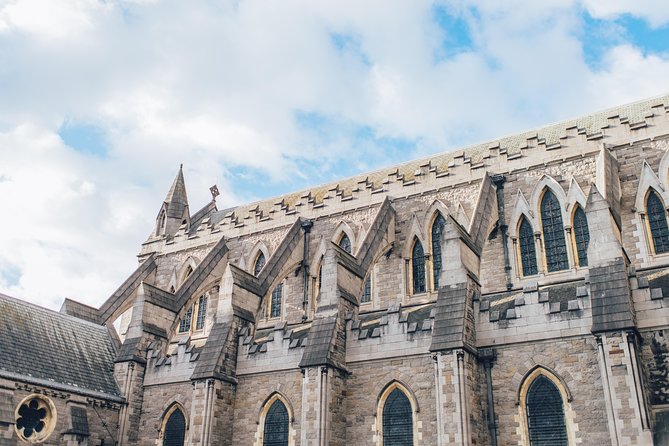
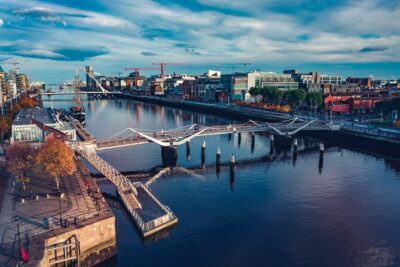
Then you’ll stroll across the iconic pedestrian bridge with picturesque views over the River Liffey. This stop is where Dublin really looks like Dublin.
Why it’s so effective in a short tour:
- The bridge is an easy-to-understand landmark, so it helps you build navigation skills.
- Liffey views give you a sense of the city’s layout, because the river is a natural organizing line.
- It’s a memorable walking moment, not just a quick stop-and-point.
Because it’s a pedestrian bridge, you’ll also get a little atmosphere from street life around it. Still, don’t expect to linger forever. Your tour is structured around timing, so treat this as a “take your photos and enjoy the river” moment.
Temple Bar: pubs and music as your cultural compass
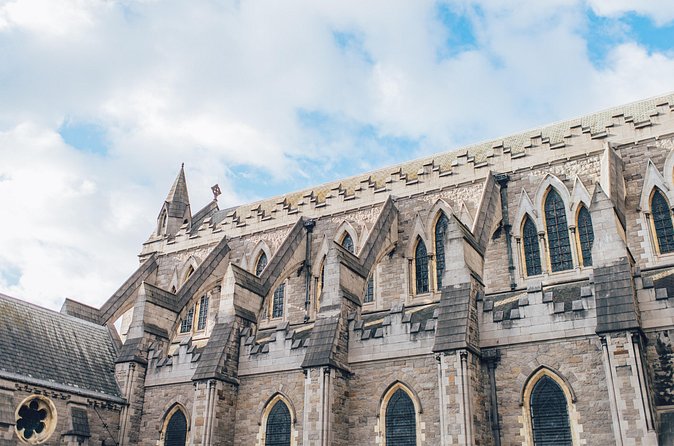
Your final stop is Temple Bar, Dublin’s cultural heart and a known hub for lively pubs and music. This is a smart ending point because it turns the tour into a launchpad for the rest of your evening.
At Temple Bar, your guide’s advice matters most. Instead of randomly picking the first pub you see, you can use the recommendations you’ve already been given. That makes your night feel less like a gamble.
What I like about ending here is that it supports different travel styles:
- If you want a casual pint and a quick listen, you’ll know where to start.
- If you want to keep exploring, you’ll understand why Temple Bar is where people begin.
- If you’re more food-focused than pub-focused, you still get practical suggestions for where to eat nearby.
Keep in mind that Temple Bar can be busy. If you want quieter conversation later, ask your guide for the direction to go after you’ve had your first round of atmosphere.
What a small group (up to 8) changes for you
A group size of up to 8 is the difference between a generic walk and a guided conversation. In practice, this means:
- Your guide can adjust pacing without leaving people behind.
- You can ask questions on the spot, like what to do next after the tour.
- You’re less likely to feel like part of a crowd-control process.
This tour also adapts to your interests and walking pace. That matters in Dublin because some visitors want more time on photos, while others want more time for street tips and food guidance.
One detail I appreciate is that the itinerary can vary with weather. In a one-hour experience, weather changes can be the difference between a pleasant walk and a miserable sprint. A flexible plan helps.
Guide quality matters, and the best cases feel personal
The tour’s strength is the local guide. In the standout example, a guide named Abhi has been described as friendly, engaging, and knowledgeable, and that’s exactly the style you want for a short intro tour.
For your decision, think of it this way: an hour is too short for a guide who reads facts off a sign. You need someone who can point out what matters and translate sights into useful advice for what you’ll do next.
That’s where the included “personalised recommendations” becomes more than marketing. It’s what turns a route with landmarks into a plan you can actually use.
Who should book this walk, and who might skip it
You should book this experience if:
- It’s your first time in Dublin and you want quick orientation.
- You want a guided path through major landmarks without spending hours.
- You like getting practical advice on where to go for food, drinks, and shopping.
- You prefer a small group so your questions get answered.
You might skip it if:
- You want deep museum time. Entry tickets are excluded, and the tour is only about an hour.
- You need an option that reduces walking time. It is not recommended for guests with impaired mobility.
Should you book this Dublin 60-minute with a local?
If you’re planning a short trip, this is one of the best ways to start your city time. The value comes from timing and guidance, not from ticketed attractions. For roughly an hour, you get a route that hits shopping energy, Trinity College and the Book of Kells connection, the Spire, Ha’penny Bridge, and Temple Bar, and you leave with advice that helps you choose what to do next.
I’d book it if you want Dublin to feel organized and friendly on day one. I’d also book it if you like walking and want local context more than museum detail.
Just go in with one expectation set: you’re doing city sightseeing on foot, and if you want full entry into specific attractions, you’ll need separate tickets.
FAQ
How long is the Dublin 60-minute tour?
It lasts about 1 hour.
Where does the tour start and end?
It starts at Harry Street in Dublin and ends in Temple Bar, Dublin.
How big is the group?
It is limited to a maximum of 8 travelers.
What language is the tour offered in?
The tour is offered in English.
Is a mobile ticket provided?
Yes, the tour includes a mobile ticket.
What’s included in the price?
You get a knowledgeable local guide, a small group experience, and personalized recommendations.
Are museum or monument entry tickets included?
No. Entry tickets for transportation, museums, and monuments are excluded.
Is free cancellation available?
Yes. You can cancel up to 24 hours in advance for a full refund.
Latest to join the session in Dublin




1-Hour Experiences, compared.
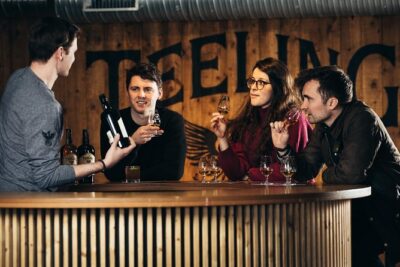
Dublin Teeling Whiskey Distillery Guided Tour and Tasting 1 Hour
Read our review →



Killarney National Park Horseback Ride. Co Kerry. Guided. 1 hour.
Read our review →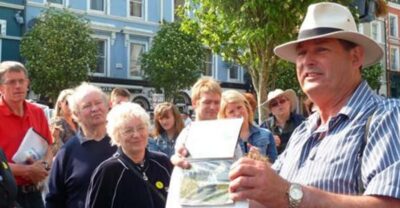
The Titanic Trail: 1-Hour Guided Walking Tour of Cobh
Read our review →

Beach & countryside horse riding outside Westport. Guided. 1 hour
Read our review →Browse the lists this tour appears in