
Reviewed · DINGLE & SLEA HEAD COASTAL DRIVES
From Dublin: 3-Day Dingle, Killarney & the Wild Atlantic Way
One of Ireland’s best road trips starts with quiet ruins. This 3-day Wild Atlantic Way tour strings together Glendalough, Dingle Peninsula, and medieval Rock of Cashel with a very human pace and a small group size. You get a full West-of-Ireland storyline, from monastic calm to ocean cliffs, then back through legend and stone.
I especially like how the itinerary mixes big-name sights with moments that feel local, like the Gaeltacht drive on the Dingle Peninsula and the stop in Adare with its thatched cottages. I also love that your home base is Dingle for two nights, which gives you more breathing room than a nonstop day-by-day shuffle.
One consideration: meals and site admissions are not included, and some guesthouses are on town edges. That can mean extra walking for dinner, plus a few days where you might appreciate an easy pace.
In This Review
- Key points at a glance
- The best start to Ireland’s Wild Atlantic Way, Glendalough first
- County Laois to Adare, then arriving into Dingle country
- Dingle Peninsula day: Wild Atlantic Way views plus Irish-speaking heartland
- How the tour keeps you moving without feeling rushed
- Inch Beach to Torc Waterfall, then Killarney with time to breathe
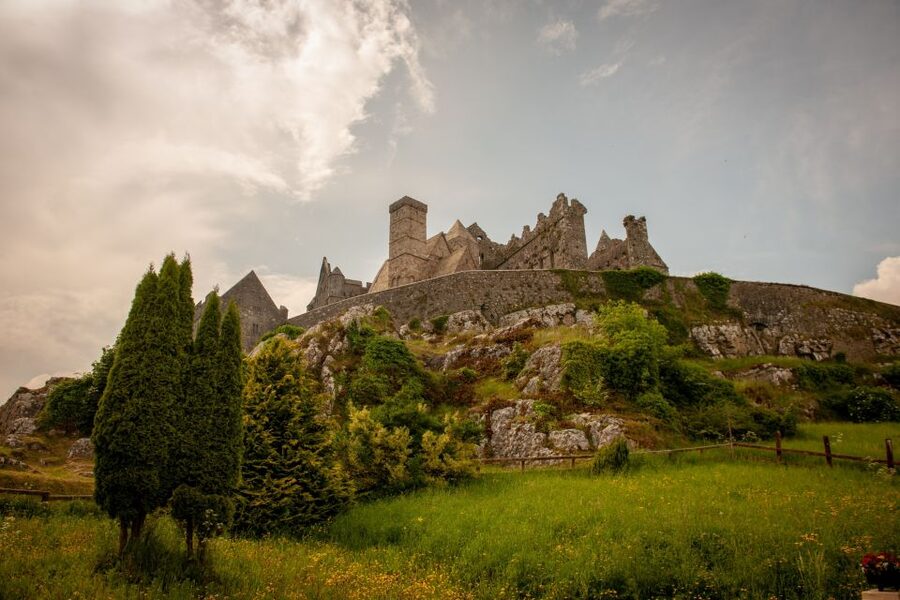
- Rock of Cashel: medieval stone above the plains
- Price and value: what your $684 buys (and what to plan for)
- Who this tour suits best, and who might want something different
- Should you book this Dublin to Dingle and Cashel tour?
- FAQ
- How long is the tour?
- What is the group size?
- What is included in the price?
- Where does the tour depart from in Dublin?
- What time does the tour return to Dublin?
- Is there a cancellation window?
Key points at a glance
- Small-group comfort on a 16-seat Mercedes mini-coach with an English-speaking driver-guide
- Glendalough free time with lakeside views and a chance to take in the monastic ruins at your own pace
- Dingle Peninsula Gaeltacht route to places like Conor Pass, Slea Head, and Gallarus Oratory
- Torc Waterfall with legend plus a short walk that breaks up the driving
- Rock of Cashel exploration including the round tower, high cross, and Gothic cathedral
- Two nights in Dingle so you settle in before you head onward to Killarney and Cashel
The best start to Ireland’s Wild Atlantic Way, Glendalough first
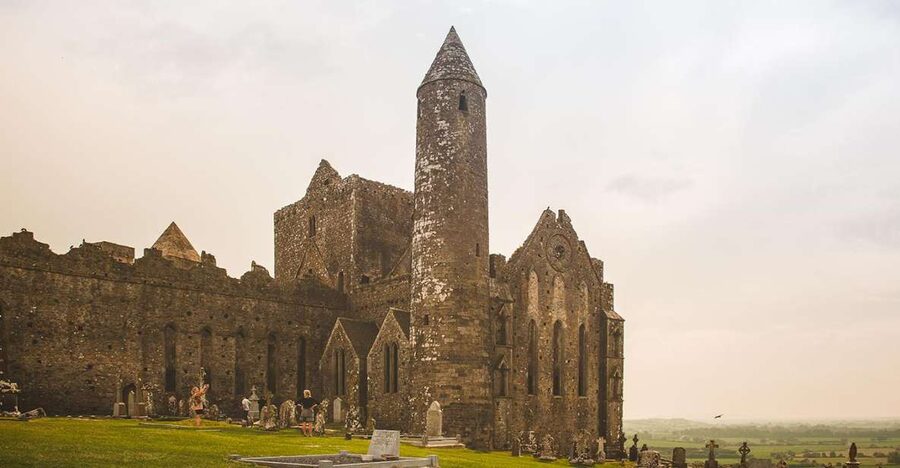
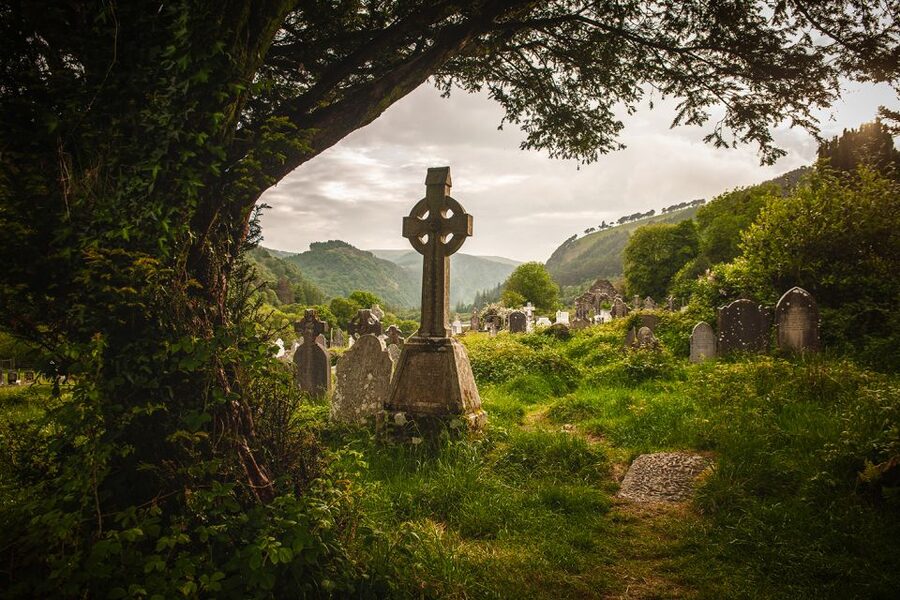
Day 1 has a smart warm-up. You leave Dublin and head into the Wicklow Mountains, where the air gets quieter and the roads loosen up. Your first big stop is Glendalough, a monastic site tucked into a valley that feels made for slowing down.
You get free time to wander at your own rhythm. That matters here. Glendalough is all about visual pacing, like choosing whether you want to linger by the lakes or spend more time with the stonework of the ruins. There’s also a visitor center if you want context before you walk.
I like the way this day builds from serenity before it ramps up. After the lakes and ruins, the tour keeps you moving west with a lunch break in Kilcullen, a traditional market town that gives you a break without sending you too far off the route.
Practical note: the tour includes transport and guiding, but admission fees are not included. If you want to be exact about spending, plan a bit for entry costs during stops.
County Laois to Adare, then arriving into Dingle country
After lunch, Day 1 adds two very different historical stops, and that contrast is part of the fun. You’ll visit the Rock of Dunamase and the ruins of Dunamase Castle in County Laois. It’s a chance to see Ireland’s medieval past in a setting that feels open and windswept.
Then the tour swings toward Adare, often described as one of the prettiest villages in Ireland. This stop is all about slow sight-seeing: the thatched cottages, older structures, and the ruins of a 15th-century Franciscan Monastery. Even if you are not a hardcore history person, it’s an easy stop because you can wander without feeling rushed.
The final stretch of Day 1 is a classic transition into Kerry. You head toward the Dingle Peninsula, and you stay in Dingle for the next two nights. That hotel choice is one of the quiet strengths of this tour. Instead of checking in and out constantly, you get time to return to the same town, recharge, and walk out for a pub dinner if you are staying close enough.
Keep in mind how the accommodation is described: it’s locally owned B&Bs and guesthouses, all en-suite with breakfast included. But some are on the outskirts, meaning a 20 to 30 minute walk to pubs and restaurants may be needed. If stairs are a concern, mention it in advance because lifts are not available in this kind of property.
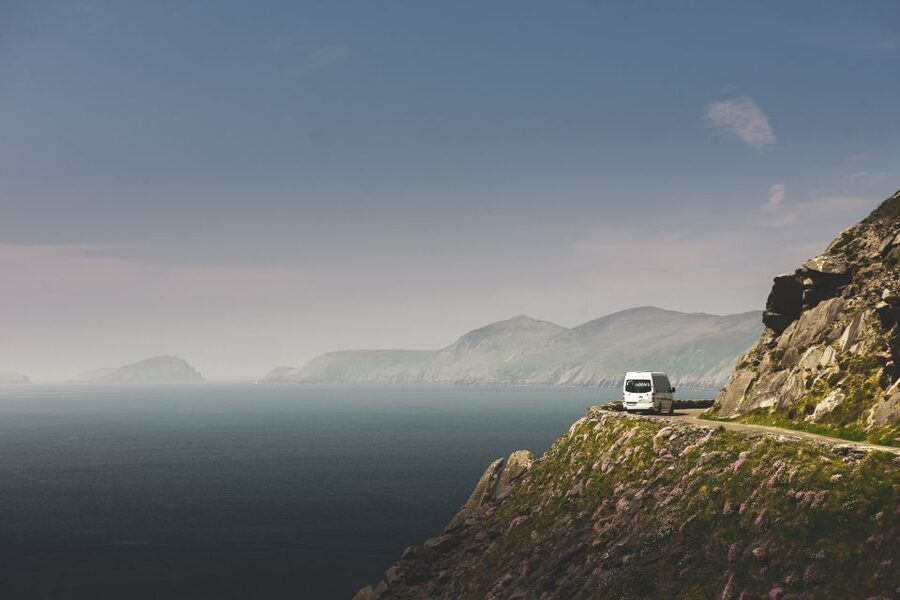
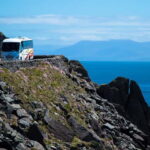
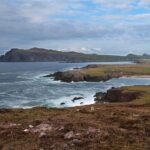
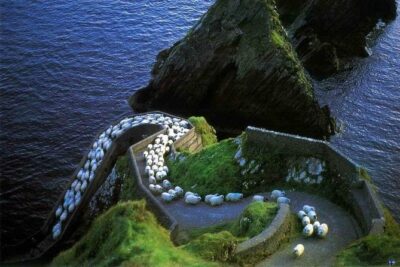
More hairpins around Slea Head:
Dingle Peninsula day: Wild Atlantic Way views plus Irish-speaking heartland
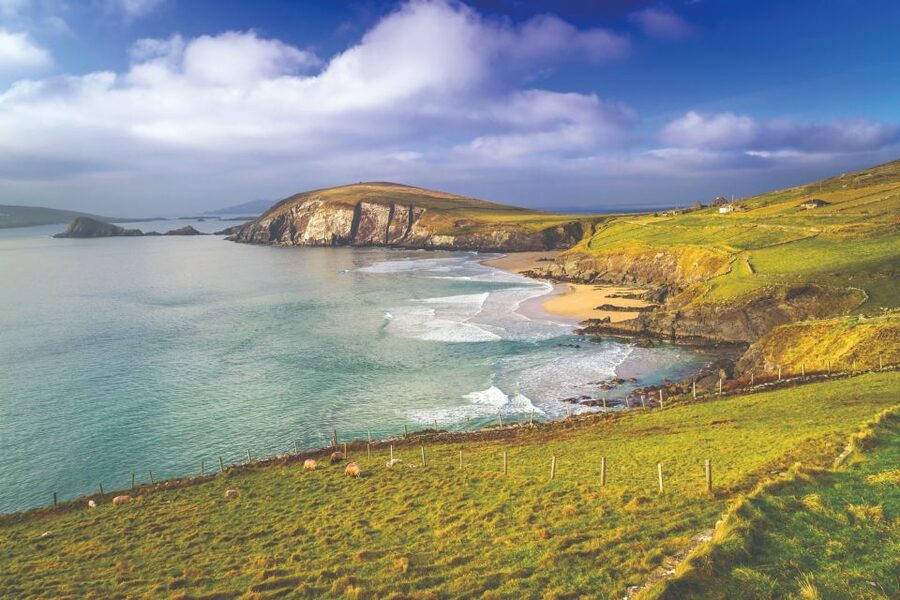
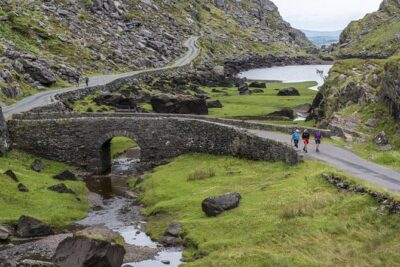
Day 2 is where the tour leans into the Wild Atlantic Way. You explore the Dingle Peninsula and learn why this coastline is so celebrated. I like that you are not just hopping out for photos. The day is built around a route through varied coastal and hillside stops.
You’ll also spend time in the Gaeltacht, where Irish is the principal language. That gives the scenery a cultural layer. Even when you are focused on views, you notice the signage, the rhythm of the places you pass through, and the fact that this is not a theme park version of Ireland.
The highlights listed on the tour include Conor Pass, Tóchar Maothaithe, the Beehive Huts, Slea Head, and Gallarus Oratory. Here is how those fit together in a way that makes sense for your trip:
- Conor Pass is for big road views, the kind where the landscape feels close but the horizon still wins.
- Tóchar Maothaithe gives you a more grounded sense of the peninsula’s older paths and routes.
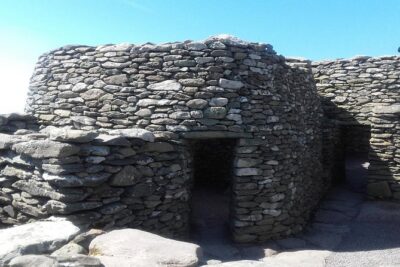
- Beehive Huts are a visual lesson in how people lived long ago, with stone shapes that look simple until you get curious about the details.
- Slea Head is the viewpoint day. You will likely spend time just looking, because the coast here is dramatic and constant.
- Gallarus Oratory is for stillness. It’s a small stone structure that rewards slow attention.
Then you sleep in Dingle again. That second night is what makes Day 2 feel complete. You can end the day with dinner and a walk, instead of dragging yourself straight back to a hotel check-in somewhere else.
How the tour keeps you moving without feeling rushed
A good road trip has two jobs. First, it covers enough places to feel like you got the West right. Second, it leaves room for stops that need your attention.
This tour is small group, limited to 16 people, and that changes the feel in a practical way. You are on a 16-seat Mercedes mini-coach, which is easier to manage than bigger buses, especially when you are doing multiple viewpoints and short walks.
The guiding style matters too. In the experiences shared by past guests, the driver-guide is called out for being a great storyteller and for keeping things safe and organized, even when weather turns. One review specifically praised the guide’s calm handling during flooding and strong winds, which is reassuring because coastal Ireland can change fast. You also want someone who can read the day, not just rattle off facts.
If you are the type who likes your days structured but not robotic, this setup tends to work well.
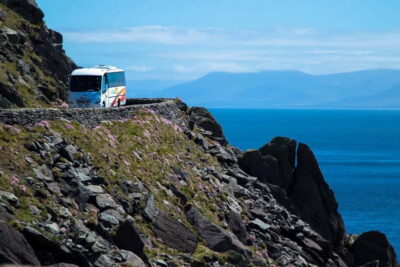
More kilometres of the long west coast:
- Dingle Peninsula Tour from Killarney: Including Wild Atlantic Way
★ 3.5 · 22 reviews - Dublin to Cliffs of Moher, including Wild Atlantic Way and Galway
★ 5.0 · 23,331 reviews - Dublin to Cliffs of Moher, Burren, Wild Atlantic Way, Galway Tour
★ 5.0 · 12,924 reviews - Cliffs of Moher Day Tour from Dublin: Including The Wild Atlantic Way
★ 4.5 · 1,195 reviews
Inch Beach to Torc Waterfall, then Killarney with time to breathe
Day 3 starts with a quick but meaningful taste of what comes next. Before leaving the peninsula, you stop at Inch Beach. The idea is simple: you get a glimpse of the Kerry Mountains and Killarney National Park area. It’s a good setup stop because it gives you a visual bridge, from ocean scenery into inland greenery and mountain views.
From there, you pass lakes and take a short walk to Torc Waterfall. The tour highlights the waterfall as about a 20-meter cascade and notes that the water originates high in the mountains. You also get the legend tied to the site, including the ancient curse that is said to have helped form the waterfall.
This stop is worth it for two reasons. First, it breaks up the driving with a stretch of feet time. Second, waterfalls are one of those sights where interpretation matters. Even if you only half-listen to the story at first, once you stand there you start noticing how legends try to explain natural power.
Then lunch happens in Killarney, the lively lakeside town that acts like a reset button. You get a break from scenery chasing, and you can grab a meal at your own pace. Since meals are not included on the tour, this is one of the moments where you’ll feel the cost of food. If you want to keep budget under control, consider setting expectations early, like picking a casual place for lunch and saving a bigger spend for dinner.
Rock of Cashel: medieval stone above the plains
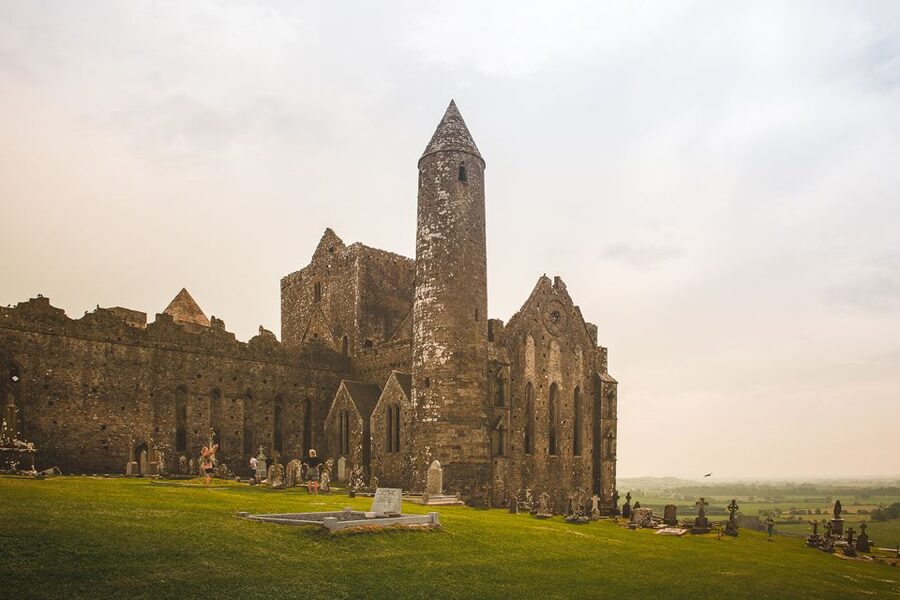
After Killarney, the tour heads to Rock of Cashel, one of Ireland’s most iconic medieval sites. This is a group favorite for a reason. The buildings rise on a limestone outcrop, so you get a visual sense of power and permanence.
You’ll explore the site at your own pace with specific areas included in the visit: the Round Tower, the High Cross, and the Gothic Cathedral. That mix helps you avoid the feeling of seeing one “thing” only. Instead, you get a small tour of different eras and styles in the same compound.
What makes Rock of Cashel work on a trip like this is timing. By Day 3, you have already seen monastic ruins in Glendalough and smaller historical structures along the way. So when you arrive here, it starts to feel like a bigger story, not just another stop on a checklist.
When you are done, the ride back to Dublin is built for reflection. You get drive time with no added pressure to cram in extra sights, and the tour returns around 7:00 PM.
Price and value: what your $684 buys (and what to plan for)
At $684 per person for 3 days, the price is easiest to understand when you look at what is included and what is not.
Included:
- Transportation by a 16-seat Mercedes mini-coach
- A driver-guide
- Two nights en-suite B&B or guesthouse accommodation with breakfast
Not included:
- Meals and refreshments
- Admission fees
That means you are paying for the hard part, moving between sites efficiently with lodging already handled. The driver-guide role is not just about getting you there. Based on past experiences, the guiding and story delivery are a big part of why the trip feels memorable. On a route like this, having someone manage timing and safety is a real value.
Where you’ll feel extra costs:
- Food during the day
- Entry fees at some sites
If you budget meals modestly, you can usually keep the trip from creeping up. If you plan to eat at full-service places every stop, costs climb fast. The good news is you do have breaks where you can choose, like lunch in Kilcullen and Killarney.
Also, remember the luggage rule: up to 14 kg per person, typically one main piece plus a small personal bag. Keep it light so you do not spend time wrestling bags on and off the coach.
Who this tour suits best, and who might want something different
This is a strong fit if you want:
- A small-group West Ireland experience without planning routes yourself
- A mix of spiritual sites, coastal viewpoints, and medieval landmarks
- Enough time in Dingle to feel like you belong there for a couple of nights
- A guide who tells stories and keeps the day organized, even when weather gets rough
It is less ideal if you:
- Want fully guided time in every single moment with no free time
- Need a place with elevators and minimal walking, since some lodging may be on the outskirts and lifts are not available
- Hate paying separate admission fees, since those are not included
The tour is also minimum-age 5 years old, so families with younger kids are not the target.
Should you book this Dublin to Dingle and Cashel tour?
If you want a balanced introduction to Ireland’s Wild Atlantic Way, I think this one is worth your attention. The strongest reasons are practical: two nights in Dingle, a structured route that hits both famous and less obvious stops, and a guide who is praised for both storytelling and careful driving.
Book it if your dream trip includes Glendalough, Gaeltacht culture on the peninsula, and the shift from nature to medieval stone at Rock of Cashel. Skip it if you are the type who wants total independence, because this tour does run on a set schedule and your meal and admission choices are the main freedom you have.
If you do book, travel with a light bag, wear good walking shoes for the short Torc Waterfall walk, and give yourself permission to stop looking at your phone. This route works best when you actually take in the coast and stone where the stories live.
FAQ
How long is the tour?
The tour runs for 3 days.
What is the group size?
It is limited to a small group, with a maximum of 16 participants.
What is included in the price?
Transportation by a 16-seat Mercedes mini-coach, a driver-guide, and 2 nights en-suite B&B or guesthouse accommodation with breakfast are included. Meals and refreshments are not included, and admission fees are not included.
Where does the tour depart from in Dublin?
It departs from opposite the Kilkenny Shop, 6 Nassau Street, Dublin 2.
What time does the tour return to Dublin?
It returns to Dublin around 7:00 PM.
Is there a cancellation window?
Yes. You can cancel up to 14 days in advance for a full refund.
Latest to join the session in Killarney
Dingle & Slea Head Coastal Drives, compared.
Exhilarating Rib experience – Dingle sea safari
Read our review →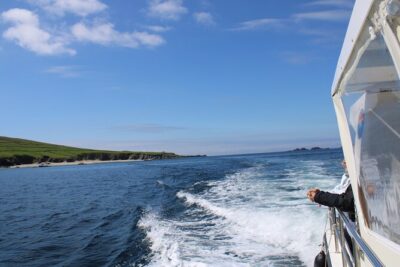
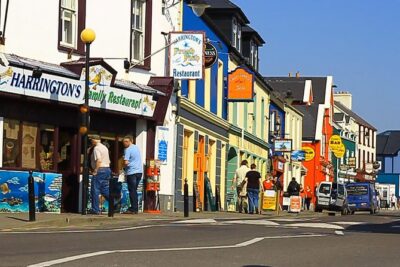
Full-Day Tour of the Dingle Peninsula, Slea Head, and Inch Beach
Read our review →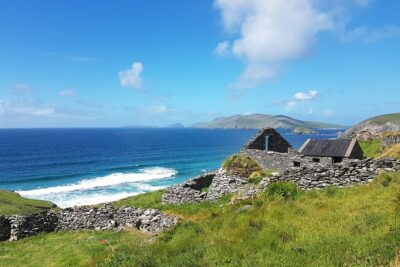
Dingle Peninsula and Slea Head Drive Group Tour
Read our review →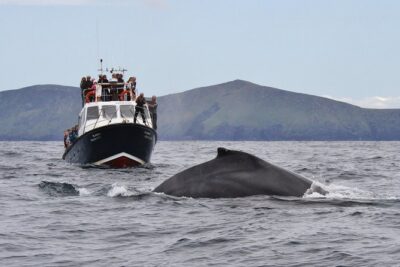
Browse the lists this tour appears in