
Reviewed · 6-DAY EXPERIENCES
From Dublin: 6-Day All of Ireland Rail Tour
Six days, and your camera never cools off. What makes this tour fun is the rail-first routing that takes the stress out of getting around, plus the way it strings together big-name stops like Cliffs of Moher and the Ring of Kerry without you needing to drive.
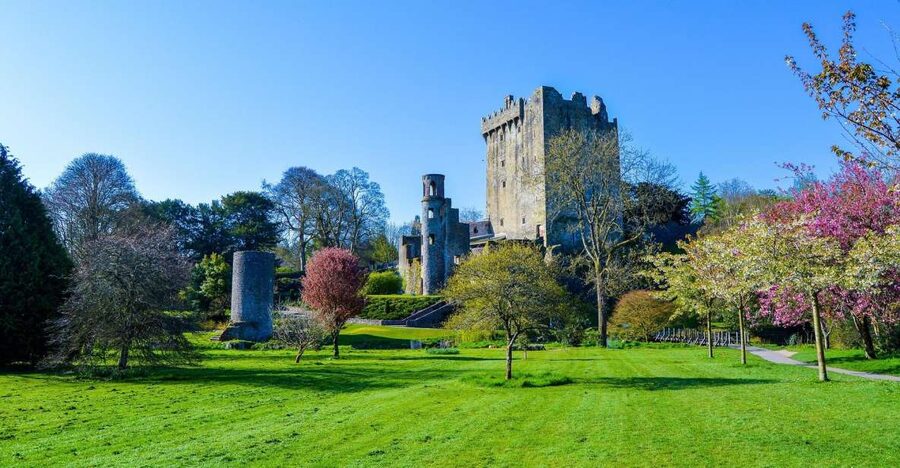
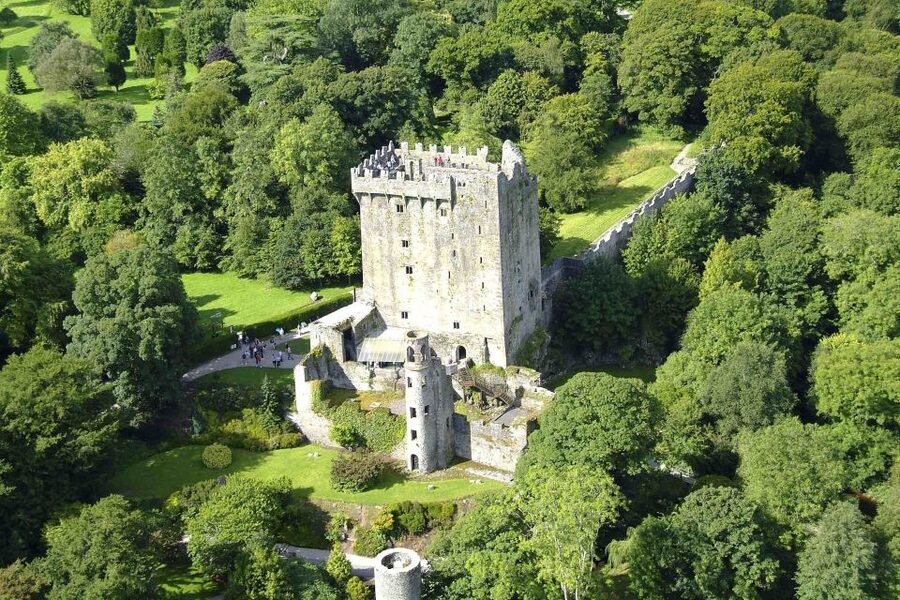
I also like the balance of major sights and small moments, like Blarney Castle in the morning light and Cobh’s Queenstown Story before you head to Killarney. The only real catch is the busy pace, especially once you get into the Galway and Aran days, so this is best for people who are comfortable moving fast and walking a lot.
In This Review
- Key takeaways before you go
- Day 1 in Ireland: Heuston to Cork, Blarney, Cobh, then Killarney
- Ring of Kerry Day 2: Lakes of Killarney, Moll’s Gap, and Carrantuohill
- Day 3: Bunratty, Cliffs of Moher, then Galway City by 3-star comfort
- Day 4: Ferry to Inis Mor and Dun Aengus on the Aran Islands
- Day 5 Connemara and Kylemore Abbey, then train to Dublin
- Day 6: Belfast Hop-On-Hop-Off, then back to Dublin
- Guides, group style, and how to get the most out of the day
- Money and value: what you pay for, and what you still need
- Who should book this tour, and who should skip it
- FAQ
- FAQ
- How long is the Dublin to Ireland rail tour?
- Where do I check in at the start of the tour?
- Is there a live guide, and what language is it in?
- What kinds of places will I see during the trip?
- What meals are included?
- What hotel arrangements are included?
- What is included in Belfast on the final day?
- Should you book this 6-Day All of Ireland Rail Tour?
Key takeaways before you go
- Pre-arranged trains and transfers reduce decision fatigue, and a guide helps you get seated and moving
- Killarney, Galway, and Dublin bases mean fewer hotel changes than DIY travel would require
- Big-scenery days are built in with Ring of Kerry and Cliffs of Moher as anchor stops
- Aran Islands are a real add-on via ferry to Inis Mor and a visit to Dun Aengus
- Last-day Belfast is self-guided style after you arrive, with a hop-on hop-off overview loop
- Hotel quality is solid for a tour with en-suite rooms in Killarney and 3-star stays elsewhere
Day 1 in Ireland: Heuston to Cork, Blarney, Cobh, then Killarney
Your tour starts at Dublin Heuston Station, with check-in at 6:40 AM and a 7:00 AM InterCity train departure to Cork. Breakfast is available on the train, which matters because this is an early start day. You’ll then head straight into the south with scheduled stops, not “maybe we’ll see it if time allows” wandering.
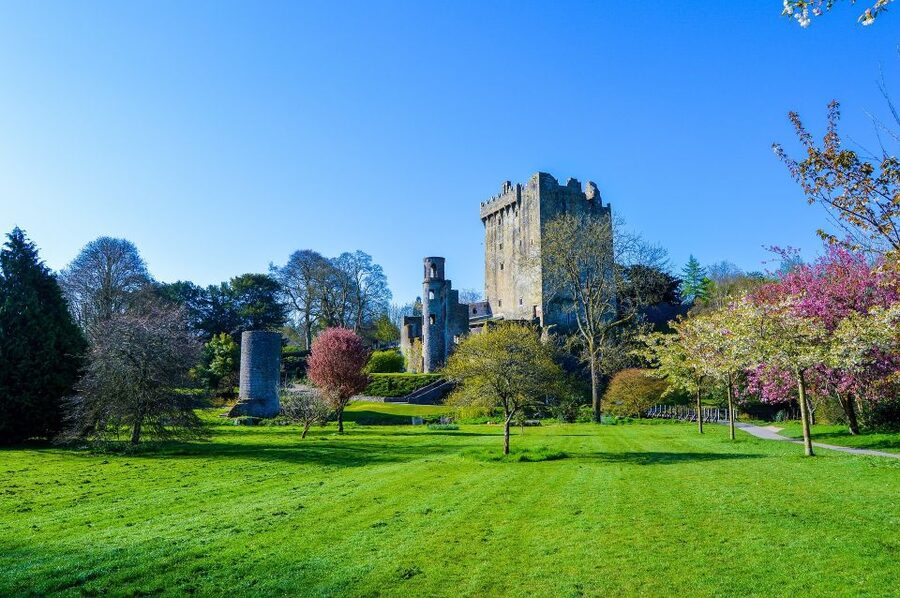
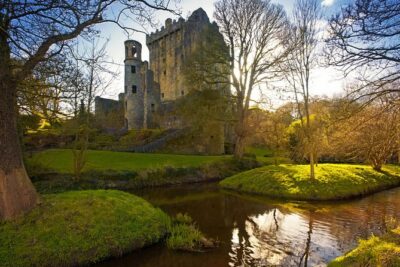
In Cork, the first big hit is Blarney Castle. It’s one of those places you can love or shrug at, depending on your tolerance for crowds and folklore. Either way, it works on a first day because it gives you instant Irish atmosphere and a clear landmark to orient your trip.
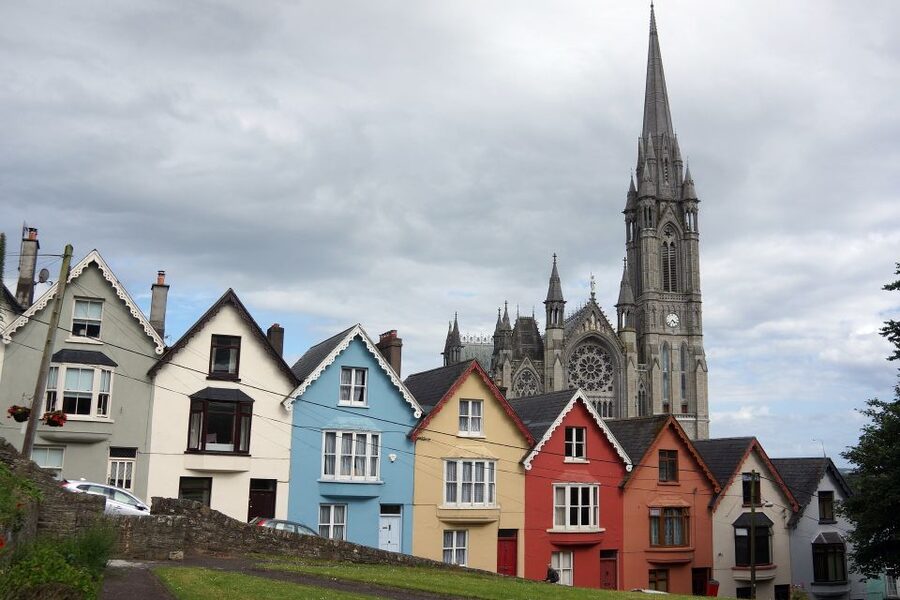
Next comes Cobh, where you visit the Queenstown Story. That stop adds emotional depth to a route that could otherwise feel like pure scenery tourism. It gives you context for why this corner of Ireland mattered so much to people leaving (and arriving), and it pairs nicely with the coastal feel you’ll keep getting over the next few days.
By the time you reach Killarney for your first two nights, you’re set up with bed and breakfast in en-suite accommodations. That en-suite detail is practical value. After long travel days, you want a room that feels genuinely usable, not a compromise.
What to watch for: Day 1 is structured, so you’re not in control of the pace. If you hate being rushed through famous stops, plan to adjust expectations now.
Ring of Kerry Day 2: Lakes of Killarney, Moll’s Gap, and Carrantuohill
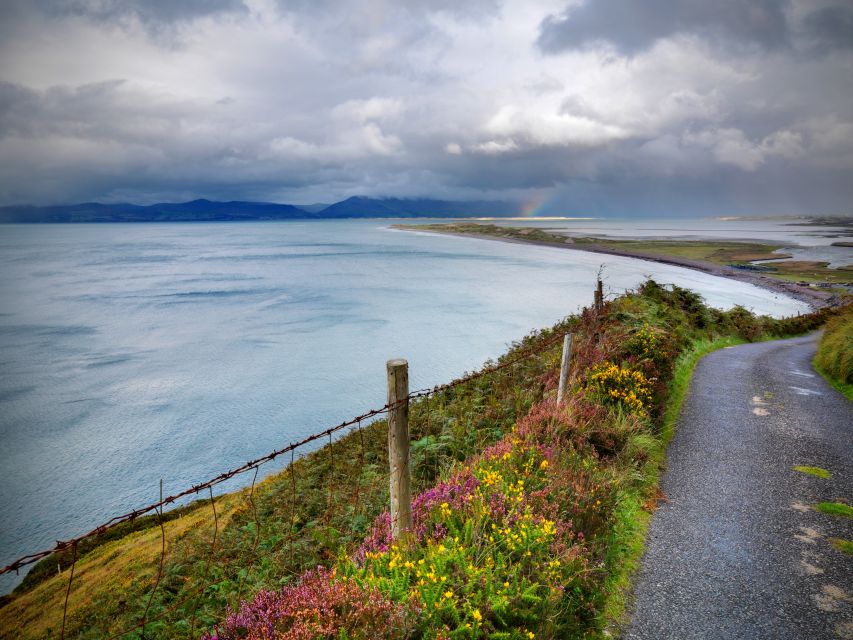
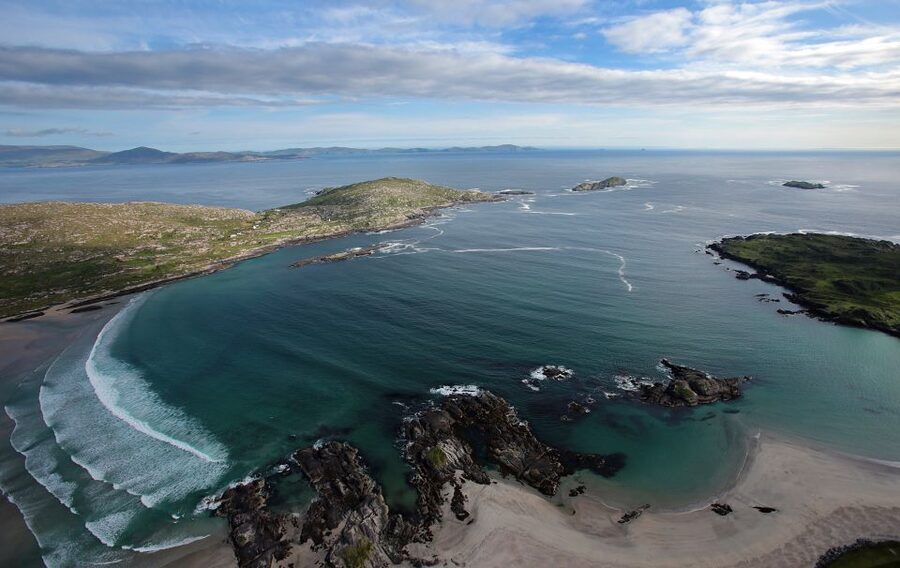
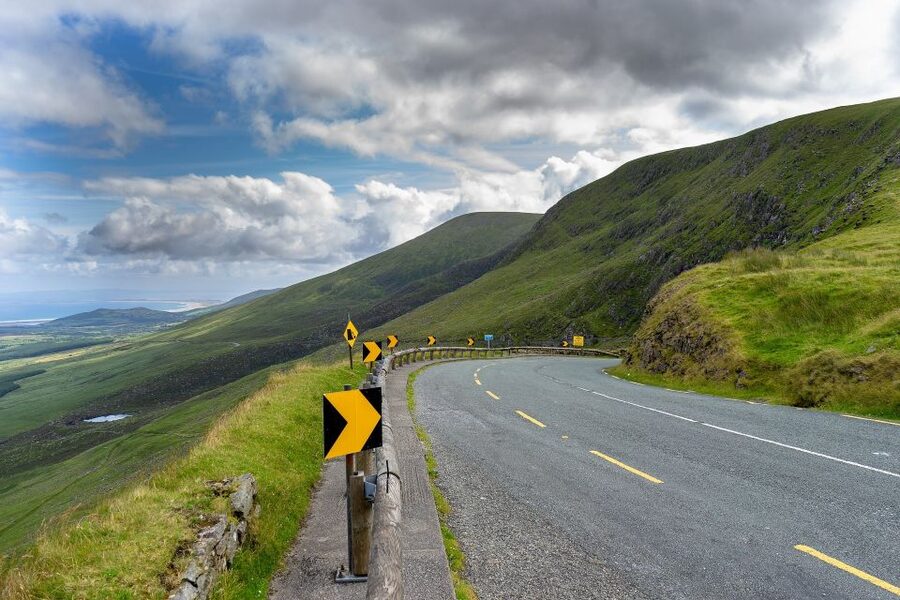
Day 2 leaves Killarney on the Ring of Kerry tour, departing at 10:00. This is the day where the tour leans hard into “Ireland postcard,” and it delivers. You’ll see Dingle Bay, the Macgillicuddy Reeks region, and Carrantuohill, Ireland’s highest mountain. You also get stops for Moll’s Gap and Ladies View, plus the world-famous Lakes of Killarney.
Here’s why this works for most people: the Ring of Kerry is one of the routes where the scenery is best experienced from a moving viewpoint. Touring by organized transport keeps you from having to figure out timings, parking, and route decisions. You can focus on the views and the photo angles, not the logistics.
Also, this is where the tour is at its best for travelers who want the highlights but don’t want to drive. The road is scenic, but it’s also the kind of driving that can wear you down, especially if you’re not used to Irish roads.
Potential drawback: This is a packed sightseeing day, and the “best viewpoints” format often means shorter stops. Comfortable shoes matter more than you think, since you’ll do quick walks for viewpoints and photo stops.
That night, you’re back in Killarney again, giving you a chance to reset and not lose momentum to a hotel change.
Also keeping time in Dublin
Day 3: Bunratty, Cliffs of Moher, then Galway City by 3-star comfort
On Day 3, you transfer from Killarney at 10:30 and go to Limerick to join the Cliffs of Moher tour. Along the way, you visit Bunratty Castle, a strong pairing because it gives you a shift from pure nature to Irish built heritage.
Bunratty is the kind of stop that makes the whole day feel more “Ireland” than “just scenery.” You’re not only traveling through coastal views. You’re also seeing how people built, lived, and organized life across centuries.
Then it’s out to Cliffs of Moher. If you’ve never been, it helps to know that the cliffs are dramatic in a very physical way. Even if the wind is a little rude, the scale does the heavy lifting. This is one of those stops where a short visit still feels worthwhile because the site itself dominates your attention.
Lunch is timed in Liscannor with 1 hour. For planning, treat this as practical fuel, not an extended break. If you’re the type who likes to linger for dessert, you might feel a bit constrained.
Later you reach Galway City for two nights in a 3-star hotel, with breakfast included for that Galway stay. Galway City is a great base for a multi-day tour because the atmosphere makes waiting between activities easier. When you want a quiet dinner or a stroll, you usually can find it close by.
What to watch for: Day 3 is long by design, especially once you join a major tour at the Cliffs. If you get motion sick easily, it’s smart to pack basics for the bus ride and keep water handy.
Day 4: Ferry to Inis Mor and Dun Aengus on the Aran Islands
Day 4 is your “step sideways into a different Ireland” day. You take a ferry to Inis Mor, the largest of the Aran Islands, and then spend time exploring the island.
After lunch in Kilronan, you visit Dun Aengus, the ancient fort perched above sharp cliffs. This stop is more than a photo wall. It gives you a sense of why these places were defensible and how the coastline shaped daily life. You also get seascape drama without needing a long hiking day, since the key viewpoints and tour elements are organized.
This is a big win for people who want “real place” energy, not just famous attractions. The Aran Islands are still touristy, but they feel like a distinct world compared with the mainland.
Practical note: ferry days can be timing-sensitive. Build in flexibility in your expectations for how quickly things move, especially if the day feels more rushed than you imagined once you’re on the island.
That night, you stay in Galway, which helps you avoid a second day of hotel shuffling.
Next tune called in Dublin:
- Dublin to Cliffs of Moher, including Wild Atlantic Way and Galway
★ 5.0 · 23,331 reviews - From Dublin: Cliffs of Moher, Burren & Galway City Day Tour
★ 4.8 · 18,888 reviews - Dublin: Guinness Storehouse Entry Ticket
★ 4.6 · 16,863 reviews - Dublin to Cliffs of Moher, Burren, Wild Atlantic Way, Galway Tour
★ 5.0 · 12,924 reviews
Day 5 Connemara and Kylemore Abbey, then train to Dublin
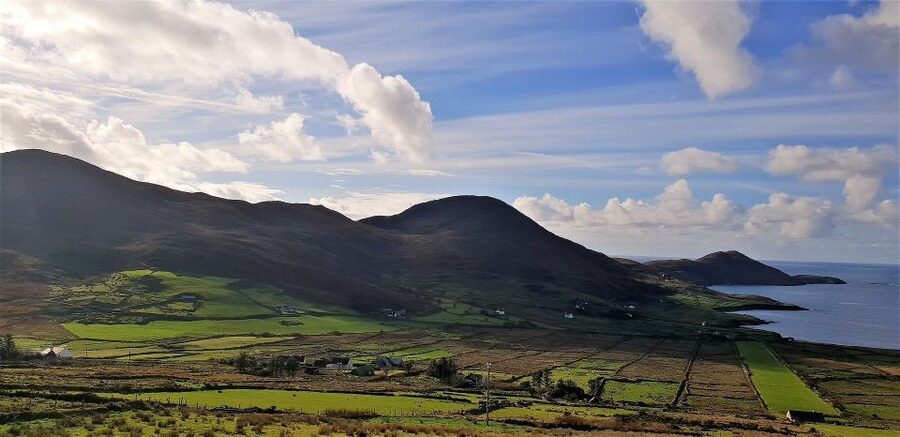
On Day 5, you head into Connemara, including Kylemore Abbey. This is the day where the tour shifts from western island vibes into inland coastal beauty and heritage.
Kylemore Abbey gives you a break from the “just views” pattern. It adds a calm, grounded feel, like you’re seeing Ireland as it grew around institutions, land, and architecture. It’s also a strong stop when the weather changes, because there’s both outdoor scenery and interior experiences available as part of an organized visit.
After the Connemara portion, you depart Galway by train, arriving in Dublin Heuston at 20:45. Then you transfer by tram to your 3-star Dublin hotel for the next two nights, with room only indicated for those Dublin nights.
This is a key detail. You still get your base in Dublin, but don’t plan on the hotel dinner-and-morning-everything convenience. You’ll be better off making dinner plans around your own preferences for that first Dublin night.
What to watch for: arriving at night reduces flexibility. This tour is still designed for seeing sites, not for late-night wandering planning. If you’re the kind of person who likes a slow arrival and a big decompress meal, prepare for it to be quick.
Day 6: Belfast Hop-On-Hop-Off, then back to Dublin
The final day is built around Belfast. You start with a full Irish breakfast included, then check-in is done at Connolly Station at least 20 minutes before the train departure. Look for the Railtours kiosk in the main concourse area, and reps are in yellow jackets.
You depart Connolly Station at 10:50, arrive Belfast Central Station at 12:58, and then take a short transfer to the city centre. The tour includes a Belfast Hop-On-Hop-Off component with a self-guided segment listed as 70 minutes. That overview includes the Titanic Quarter, Falls and Shankill Roads, and the Peace Wall, plus you get free time for shopping before returning.
Then you head back to Dublin on any scheduled train departure and make your own way to your Dublin hotel.
I like the structure of this last day because you’re not trapped in a bus schedule. You get a guided-style loop of the key areas, then you control the rest of your time.
Potential drawback: it’s easy to underestimate how much a fifth and sixth day pile up. If you’re not used to packed touring, you may feel worn down even before you reach Belfast. This final-day setup is solid, but it still sits at the end of a physically demanding itinerary.
Guides, group style, and how to get the most out of the day
This tour includes live guide support in English, and it’s clear the operators care about keeping things organized. You’ll be shown to reserved seats at check-in, and you’ll have help routing you through major transition points.
One standout detail from the experience is that guide quality can vary. A guide named Brendan was praised for strong historical context and keeping people well informed, which can make the castles and memorial themes land harder. At the same time, not every guide interaction is guaranteed to match that style, including one Aran Islands guide description that came across as less friendly.
What you should do with that? Don’t assume every day will feel like “museum tour energy.” Bring curiosity and patience. If you’re the type who feeds off explanations, consider planning to ask quick questions when a guide is in full history mode. If you’re more into views and photography, you’ll still be fine because the schedule has major stops built in.
Also, keep in mind the tour is not a single, uninterrupted “one group, one guide” parade for all six days. You may meet different guides across the route as you move between rail and coach segments. That can actually help, since it breaks up the monotony, but it also means you shouldn’t count on the same delivery style day after day.
Money and value: what you pay for, and what you still need
This tour costs $2,353 per person for six days. That’s not cheap, but value comes from what’s included.
You’re getting:
- 2 nights in Killarney with bed and breakfast and en-suite rooms
- 2 nights in Galway in a 3-star hotel with breakfast
- 2 nights in Dublin in a 3-star hotel
- Admissions and guided/toured elements, plus transfers
It’s a “you pay so you don’t drive” situation. You’re outsourcing route planning, tickets, timed pickups, and entry arrangements. For many visitors, that is exactly the point of a rail-based tour, especially if you don’t want to spend vacation days negotiating the mechanics of transportation.
What’s not included is meals beyond breakfast on several days. Practically, you should budget for lunch and dinner on most sightseeing days. That’s normal for Ireland touring, but you’ll want to keep some flexibility for places along the route.
My practical take: if you were trying to recreate this yourself, you’d likely spend more time coordinating trains, finding lodging for three different towns, and piecing together the same high-demand activities. If you’re okay with a packed schedule, this price can feel like convenience and certainty.
Who should book this tour, and who should skip it
This is a good fit if you:
- want major Ireland highlights without renting a car
- like the mix of coasts, castles, abbeys, and towns
- prefer pre-booked logistics that reduce decision fatigue
- are comfortable with early starts and long days
You might want to skip or consider a slower alternative if you:
- need lots of free time to linger at stops
- struggle with end-of-trip exhaustion, because the schedule is intense through the Aran and Connemara segments
- rely on mobility aids that are not allowed on this tour, since mobility scooters, non-folding wheelchairs, walking frames, and electric wheelchairs are listed as not permitted
If you’re traveling solo, the tour can still work well, especially because guides and reps support transitions. Just be honest with yourself about how much walking and waiting you can handle.
FAQ
FAQ
How long is the Dublin to Ireland rail tour?
It runs for 6 days.
Where do I check in at the start of the tour?
You check in at Dublin Heuston Station at 6:40 AM, beside the customer service desk, for the 7:00 AM departure.
Is there a live guide, and what language is it in?
Yes. There is a live tour guide in English.
What kinds of places will I see during the trip?
You’ll see stops including Blarney Castle, Cobh, Ring of Kerry, Cliffs of Moher, the Aran Islands (Inis Mor), Dun Aengus, Connemara with Kylemore Abbey, and Belfast.
What meals are included?
Breakfast is included for Day 1 (train breakfast available), Day 2, Day 3, Day 4, and Day 5 according to the plan, and a full Irish breakfast is included on Day 6. Other meals are not included.
What hotel arrangements are included?
You get 2 nights in Killarney with bed and breakfast and en-suite facilities, 2 nights in Galway in a 3-star hotel with breakfast, and 2 nights in Dublin in a 3-star hotel (room only is indicated for the Dublin nights).
What is included in Belfast on the final day?
You arrive in Belfast and take a Hop-On-Hop-Off style experience that includes a self-guided segment listed as 70 minutes, covering the Titanic Quarter, Falls and Shankill Roads, and the Peace Wall, plus free time for shopping.
Should you book this 6-Day All of Ireland Rail Tour?
Book it if you want a structured, big-sights tour that hits Killarney, Galway, and Dublin bases, with Cliffs of Moher and Ring of Kerry as core highlights and the Aran Islands as a real west-coast detour. It’s also a smart pick if you value getting tickets, entries, and transfers handled for you.
Skip it or look for a lighter version if you crave slack time, hate early departures, or know your energy runs out by day five or six. This tour is doable, but it is built to move, not to linger. If that matches your style, you’ll come home with a satisfying sweep of Ireland, and a lot of photos you’ll actually want to show.
Latest to join the session in Dublin



6-Day Experiences, compared.
6-Day All Ireland Tour from Dublin Including Accommodation
Read our review →
Best of Ireland 6-Day Backpackers Economy Tour
Read our review →
6-day All Ireland & Northern Ireland Rail Tour from Dublin
Read our review →
6-Day Magical Southern Explorer Small Group Tour
Read our review →
Browse the lists this tour appears in