
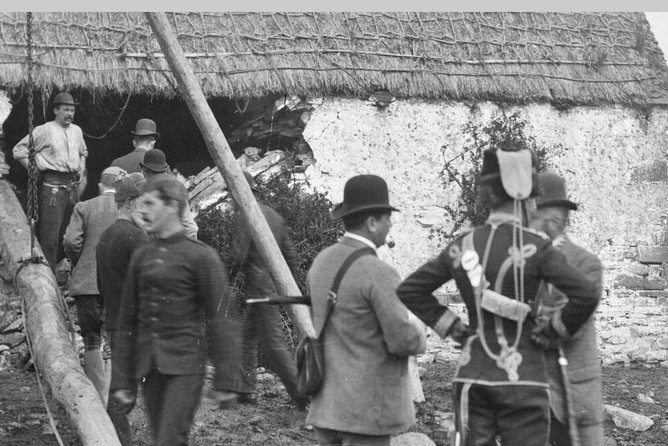
Reviewed · MUSEUMS
Irish Famine Museum / Exhibition Dublin
Dublin turns the Great Hunger into a focused visit, not a long slog. This self-guided Irish Famine Museum experience lets you move at your own pace while you learn why the Great Hunger still shapes Irish life today. Best part for time-crunching visitors, book ahead so you can skip the entrance lines.
I also like how the visit is tightly packed: you get a short documentary film plus real-looking museum material, all in about an hour. And the standout visual, including rare aerial views of St. Stephen’s Green park, gives you a fresh way to picture the city’s past.
One thing to plan around: it’s a temporary, upstairs-style exhibition space, and the film room can run warm, so bring patience if you dislike reading posters for long stretches.
In This Review
- Key highlights worth planning for
- Irish Famine Museum Dublin at St. Stephen’s Green, what you’re really signing up for
- Your one-hour game plan: how the self-guided visit feels in practice
- The 15-minute documentary film: a quick reset for your brain
- Artefacts and period media: why the museum detail matters
- Rare aerial views of St. Stephen’s Green: Dublin seen from above
- Translation guides: helpful if you want to read, not just look
- Price and value for $18.15: what you’re paying for
- Comfort, crowd levels, and the realities of a temporary upstairs exhibition
- Who should book this Great Hunger exhibition (and who might prefer another option)
- Should you book the Irish Famine Museum in Dublin?
- FAQ
- How long does the Irish Famine Museum exhibition take?
- Where is the experience located?
- What is included with the admission ticket?
- Is this a guided tour?
- Does it include a documentary film?
- What languages are available for the translation guide?
- What are the opening hours?
- Can children visit?
- Are service animals allowed?
- Is there free cancellation?
Key highlights worth planning for
- Book admission in advance to cut down on waiting at the entrance.
- Self-guided pacing so you can linger where you want, skip what you do not.
- A short 15-minute documentary to break up the reading.
- Rare aerial views of St. Stephen’s Green park for a surprising Dublin perspective.
- 19th-century visuals and period newspaper material that make the story feel grounded.
- An original soup pot and other exhibition artefacts that add real-world texture.
Irish Famine Museum Dublin at St. Stephen’s Green, what you’re really signing up for
If you want Irish history that hits hard and stays clear, this is a smart choice. The Irish Famine Museum and Exhibition Dublin tells the story of the Irish Potato Famine, often called the Great Hunger, using a mix of museum artefacts, historical visuals, and a short documentary. It is the kind of visit that respects your time, but still asks you to pay attention.
The setting matters. The experience takes place at St Stephen’s Green Shopping Centre in Dublin, near public transport and easy to fold into a day of walking. You’re not traveling across town for a one-room display. Instead, you get an hour-long focus right where a lot of people already end up on their sightseeing route.
And yes, the tone is serious. You are looking at a human disaster caused by hunger, failed leadership, and slow response to a crisis. What you take away is up to you, but the structure helps: facts first, context second, then the emotional weight lands through photos and film.
Your one-hour game plan: how the self-guided visit feels in practice
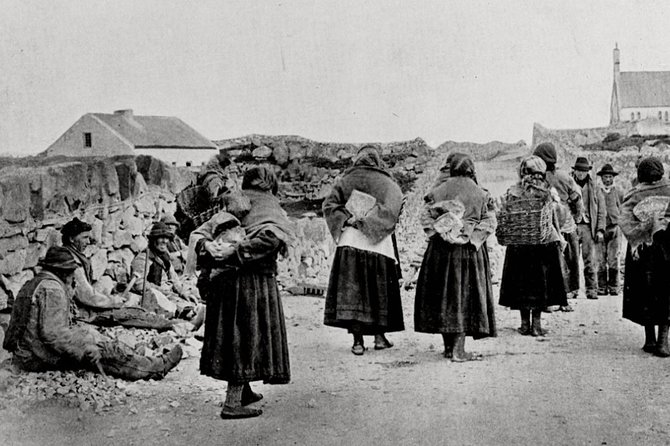
This is self-guided, so there is no scheduled tour script pulling you along. That is a big deal for adults and families. If you read slowly, you can. If you skim and want the key points, you can do that too. In about one hour you can usually see everything without rushing.
The exhibition experience is designed around walking through rooms and reading displayed information, with plenty of historic imagery to do the heavy lifting. One review-style concern you should know: if you hate poster reading or you want a more audio-led visit, this setup may feel a bit more like a temporary exhibition than a fully immersive museum. The museum team seems to limit text and relies on period visuals, which is good for many visitors, but not everyone’s preferred learning style.
Group size is capped at 90 travelers, which is reassuring if you worry about crowds. Since you are moving on your own, that number matters less than it would on a guided bus tour. Still, plan for the reality of an exhibition in a shopping center, where foot traffic can create background noise.
A practical tip: give yourself a buffer. If you arrive right before closing or right after the lunchtime rush, you may feel more squeezed. This is a “take your time” stop even though the clock is short.
More Museum Tours in Dublin



The 15-minute documentary film: a quick reset for your brain

The exhibition includes a 15-minute documentary film. That short length is actually a strength. It gives you a focused, visual break from reading, then you can immediately connect what you saw to the artefacts and photos around you.
There is one comfort issue to consider. In the film area, the space may not be climate controlled, and it can run warm. If you’re sensitive to heat or you tend to feel uncomfortable in enclosed areas, you might want to plan the timing of your visit (mid-afternoon in summer might be less pleasant than late morning), and wear breathable clothing.
Also, because the film is short, it won’t do everything for you. The best value comes from treating the film like a pause button, not the whole show. Watch it carefully, then go back to the surrounding displays to anchor the story in images and objects.
Artefacts and period media: why the museum detail matters
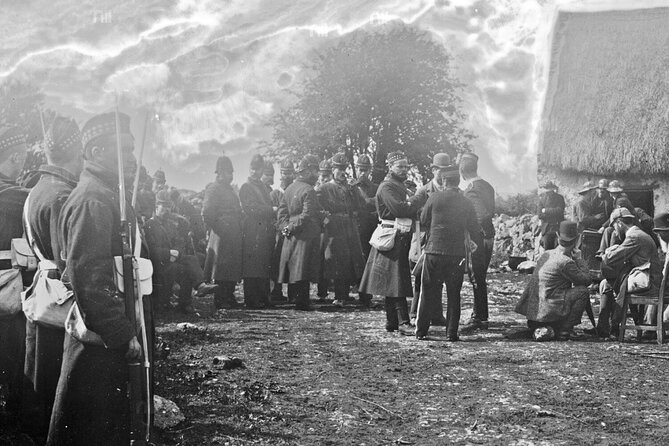
This is not just a wall of text. The exhibition uses real artefacts and period materials to keep the story grounded. One standout mentioned in feedback is an original soup pot, which does something subtle but important: it pulls the famine story out of abstract numbers and into day-to-day reality.
You also get many 19th-century photos and newspaper material. That kind of period media helps you feel the timeline. It also makes it easier to understand how information moved, what people believed at the time, and how responses played out.
If you like history that is concrete, this approach will work for you. You’re not just being told what happened. You’re being shown evidence. That is one reason people rate this highly. Even if you already know basic famine facts, the object-level details can still change how you picture the experience.
And if you have limited patience for long exhibits, the mix of artefacts, photos, and a short film keeps the momentum. It is designed to deliver a complete hour without turning your visit into a half-day project.
More collections out of the drizzle:
- Giant’s Causeway with the Titanic Exhibition and the best of Northern Ireland
★ 5.0 · 1,122 reviews - Dublin: Irish Whiskey Museum Tour and Whiskey Tasting
★ 4.6 · 999 reviews - Dublin: EPIC Museum Entrance Ticket
★ 4.6 · 816 reviews - Irish Whiskey Museum: Whiskey Blending Experience
★ 5.0 · 577 reviews
Rare aerial views of St. Stephen’s Green: Dublin seen from above
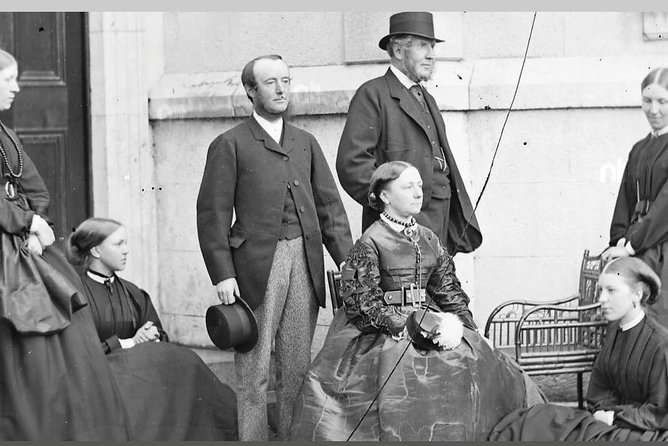
One of the most interesting highlights is the inclusion of rare aerial views of St. Stephen’s Green park. Even if you come to this museum for the famine story, these views are a useful reminder that history is layered.
Seeing a park from above can change how you read a city. You start noticing layout, space, and how people used places over time. It’s not just visual variety for variety’s sake. It helps you connect the exhibition setting to the broader Dublin story, the kind where tragedy, politics, and daily life all intersect.
I like this design choice because it gives your brain a break from the heaviest topics without letting you disengage completely. You still stay inside the same experience, but the visuals shift your perspective.
Translation guides: helpful if you want to read, not just look
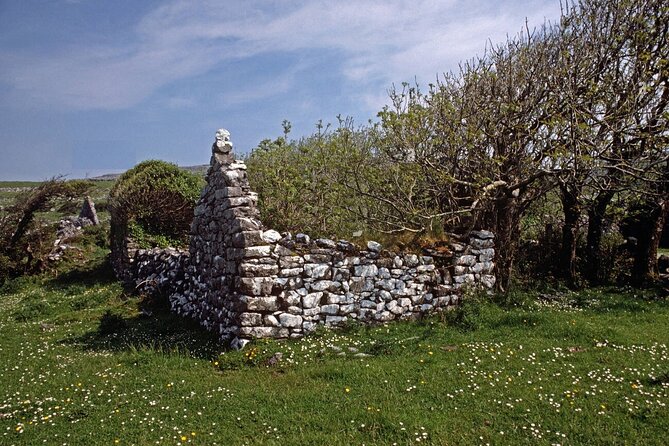
You can pick up a translation guide in French, German, Italian, and Spanish. That is a big help if you’re not reading English comfortably, because the exhibition information relies on displayed text and visuals. The guide option means you can understand the story without guessing.
If you are bilingual, you might find yourself bouncing between the guide and the English captions. That can be useful for catching the nuance of key decisions and responses discussed in the exhibition material. If you are not, the guides reduce frustration and let you spend your energy on comprehension, not on decoding.
Practical note: since the experience is self-guided, you control how often you pause to read. You can skim in English first, then switch to the guide if you want clearer detail.
Price and value for $18.15: what you’re paying for
At $18.15 per person, this is not a bargain-priced attraction in the way some free museum exhibits are. But it also is not trying to be a full-day museum. It’s a focused, about one-hour experience that bundles several elements into one ticket: admission, self-guided structure, exhibition artefacts and photos, and the 15-minute documentary.
Here’s why I think the value works for many people:
- You get closure quickly. If your schedule is tight, you can still get a meaningful story without building an entire block of time.
- You get multiple learning modes. Reading and visuals plus short film tends to serve more learning styles than poster-only exhibits.
- You can plan to avoid waiting. Advance booking is designed to help you skip the entrance line, which is often where time gets wasted.
If you want a long, guided interpretation or you’re allergic to reading, you may feel the price more sharply. But if you want a compact, evidence-based history stop, it’s a fair match for what the ticket includes.
Comfort, crowd levels, and the realities of a temporary upstairs exhibition
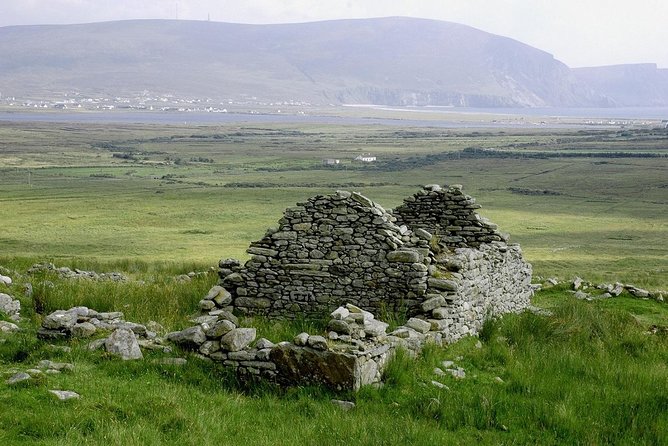
This is where I set expectations honestly. The exhibition can feel like a temporary pop-up style museum, and it is located upstairs in a shopping center environment. That does not make it less meaningful, but it can affect your comfort and your sense of space.
A few practical considerations:
- Expect a room that may not feel climate controlled, especially around the film.
- Expect a layout that relies on walking and reading posters, with the film as the main audio-visual break.
- Expect a setting that can feel busier on high-traffic shopping-center hours.
The upside is you get something efficient and organized. It is not a sprawling museum maze. If you like clear pacing, that matters.
Who should book this Great Hunger exhibition (and who might prefer another option)
This experience fits well if you:
- Want a one-hour history stop that is serious but manageable.
- Appreciate museum evidence like photos and objects, not just background commentary.
- Like self-guided pacing, so you can read more or less depending on your mood.
- Want context for why emigration and long-term change followed the famine.
It may be less satisfying if you:
- Strongly prefer audio narration over reading.
- Dislike warm, enclosed film spaces.
- Need a fully guided, discussion-style experience.
It also makes sense for families if children can handle museum-style reading and visuals. Children must be accompanied by an adult, so plan on guiding the experience together and choosing moments to pause and talk.
Should you book the Irish Famine Museum in Dublin?
I’d book this if you want a compact, high-impact way to understand the Irish Potato Famine during a visit to Dublin. The best reason to go is the combination of formats in a short time: exhibition artefacts and period media, plus a 15-minute documentary, all delivered in a self-guided format that respects your pace.
I would hesitate only if you know you dislike reading posters for stretches or you are uncomfortable in warm indoor film rooms. In that case, you might feel the experience is “all text with one video,” even though the visuals and artefacts do real work.
If you’re the kind of traveler who likes clear, evidence-based history stops, this one is worth your hour.
FAQ
How long does the Irish Famine Museum exhibition take?
The visit is about 1 hour (approx.).
Where is the experience located?
It’s at St Stephen’s Green Shopping Centre, St Stephen’s Green, Dublin, D02 HX65, Ireland.
What is included with the admission ticket?
Admission includes the exhibition experience and a short documentary film. A translation guide is also available for certain languages.
Is this a guided tour?
No. It is self-guided, so you explore at your own pace.
Does it include a documentary film?
Yes, there is a 15-minute documentary film included.
What languages are available for the translation guide?
The translation guide is available in French, German, Italian, and Spanish.
What are the opening hours?
Between 04/01/2026 and 09/30/2026, it runs Monday through Sunday from 12:00 PM to 6:00 PM.
Can children visit?
Yes, but children must be accompanied by an adult.
Are service animals allowed?
Yes, service animals are allowed.
Is there free cancellation?
Yes. You can cancel up to 24 hours in advance for a full refund. If you cancel less than 24 hours before the start time, the amount paid is not refunded.
Latest to join the session in Dublin






Museums, compared.
The Little Museum of Dublin Famous Guided Tour
Read our review →


Irish Whiskey Museum: Whiskey Blending Experience
Read our review →
Irish Whiskey Museum Blending Tour with Tastings
Read our review →
Browse the lists this tour appears in