Reviewed · IRELAND
Kildare: Irish National Stud & Gardens
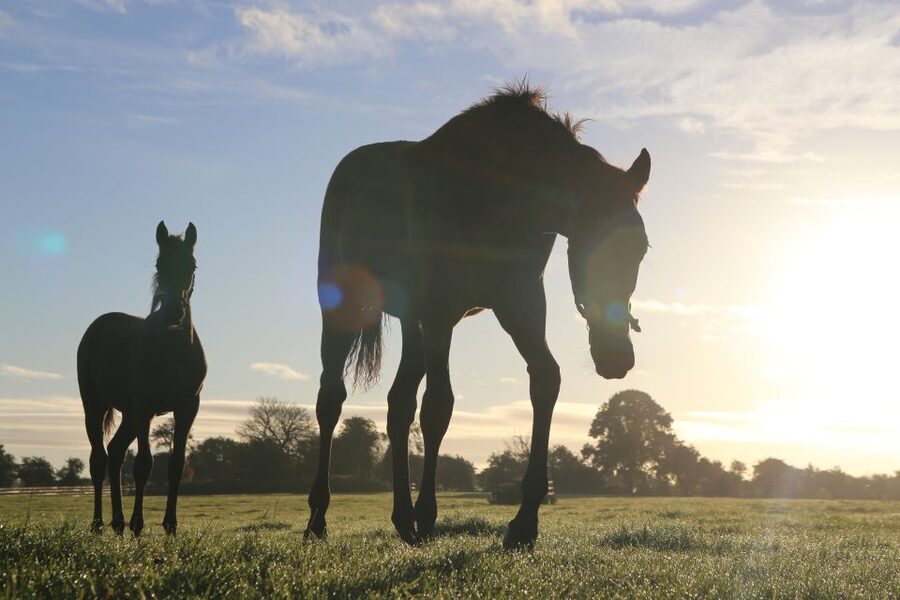
One hour from the horses’ lives in Ireland. The Irish National Stud pairs real breeding-farm access with garden time, plus an award-winning interactive Irish Racehorse Experience that makes the sport feel personal. I especially loved seeing the stallions, mares, and foals with an expert guide, and then watching retired stars like Hurricane Fly in the Living Legends areas. One thing to consider: you need to plan your timing carefully because the last entry is 5:00 PM, and the interactive experience runs only from 11:00 AM to 4:00 PM.
I also liked how guides get specific, not vague. On one visit described in reviews, guides such as Sue and Amanda were singled out for clear, friendly explanations that make the whole breeding process click. The day works best when you treat it like two linked experiences, outdoors first, then inside, so you do not feel rushed.
In This Review
- Key things to know before you go
- Irish National Stud basics, location, and why it is worth your time
- Building your day around tours and the Irish Racehorse Experience
- The guided public tour, stallions to foals, and what you actually see
- Gardens break up the horse focus, and they are genuinely different
- Japanese Gardens, calm walking and the Life of Man path
- St Fiachra’s Garden, Irish identity and wildlife spotting
- The award-winning Irish Racehorse Experience, from owning a horse to a simulated race day
- What you do inside
- Timing matters because it is capped
- Living Legends room, retired racehorses, and the world beyond the track
- Who this is best for, and who might want to skip it
- What to do if weather turns, and how to pace yourself
- Practical value: is $22 the right price for this mix?
- Final call: should you book the Irish National Stud?
- FAQ
- How far is the Irish National Stud from Dublin?
- How much does the ticket cost?
- How long does the experience take?
- What time does the Irish Racehorse Experience run?
- What are the public tour times?
- What is the last entry time?
- Is the Irish Racehorse Experience suitable for young children?
- What gardens are included?
- Is the venue wheelchair accessible?
- Which retired racehorses are highlighted?
Key things to know before you go
- Real thoroughbred breeding farm access: One of the only public options to see how stallions, mares, and foals are managed on-site.
- Guided tour times are the glue: Public tours run at set times, with more options in summer.
- Interactive Irish Racehorse Experience is time-limited: Open 11:00 AM to 4:00 PM, and it is not available for children under 7 without an adult.
- Two signature gardens: The Japanese Gardens and St Fiachra’s Garden are built for slow walking, native wildlife spotting, and calm breaks.
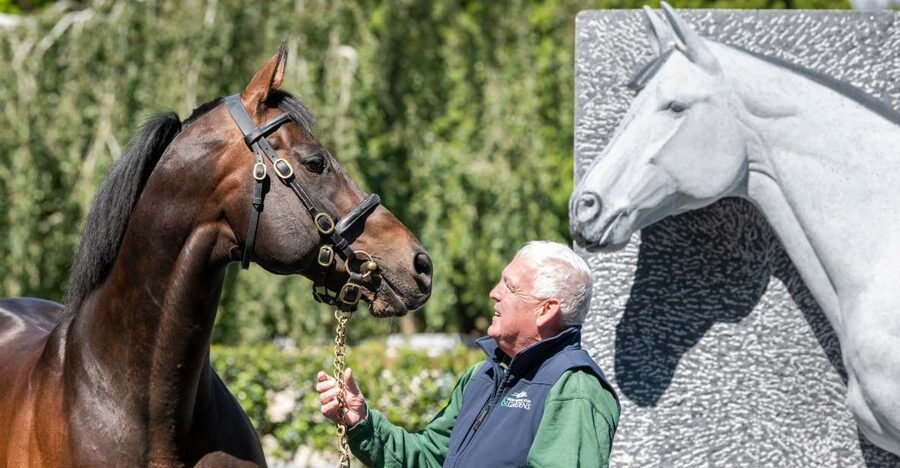
- Living Legends adds the racing connection: Retired horses such as Hurricane Fly, Beef, Salmon, and Faugheen are part of the experience.
Irish National Stud basics, location, and why it is worth your time

The Irish National Stud and Gardens sits on 850 acres of rolling green grounds in County Kildare, about 40 minutes outside Dublin. If you’re doing Dublin for a few days, this is an easy day trip that feels different from the usual pubs and museums. You’re not just looking at horse history on a sign. You’re walking the kind of property where thoroughbreds are produced, then switching gears into an interactive indoor program about how a racehorse is made.
The price is $22 per person, which is pretty good value for the mix you get. You pay once and get entry to the stud, the gardens, and the interactive racehorse experience. That matters because half-day “just a tour” options can cost similar money without giving you gardens and the inside activities.
This also isn’t a sterile zoo setup. It has the feel of a working operation, with horses cared for on grounds that guests can explore. You’ll see immaculate stallion areas, protective mares, and foals at play. That combination is what makes it memorable.
Building your day around tours and the Irish Racehorse Experience
You’ll have a much better day if you treat the schedule like a mini game plan. The public tour has set times. Public Tour times are:
- 10:30 AM, 12:00 PM, 2:00 PM, and 4:00 PM
In summer, extra tour times run at 1:00 PM and 3:00 PM. From October onward, the tour runs at 11:00 AM and 2:00 PM.
Your interactive Irish Racehorse Experience runs from 11:00 AM to 4:00 PM. Plan to fit it in around your tour. The last entry to the grounds is 5:00 PM, so late starts can squeeze you.
Here’s a practical way to think about it:
- If you go to an earlier public tour, you can use the rest of the afternoon for the gardens and the interactive experience.
- If you go later, you might need to shorten your garden time to make the most of the 11:00 AM to 4:00 PM indoor program.
Also keep in mind the experience has an age rule: it is not available for children under 7 unless accompanied by an adult. If you’re traveling with little kids, check timing so they can enjoy the stud and gardens even if the interactive part is limited.
Rounds already ordered in Dublin:



The guided public tour, stallions to foals, and what you actually see
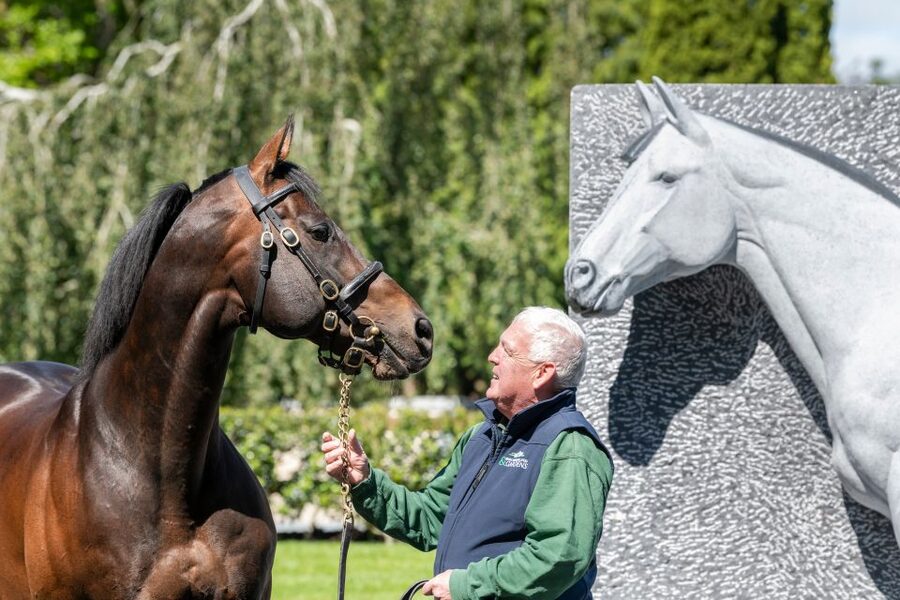
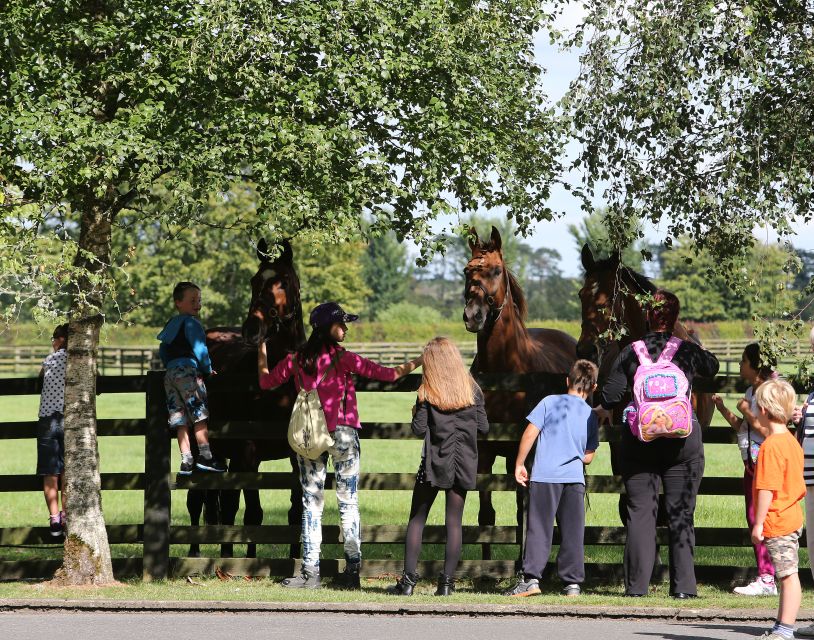
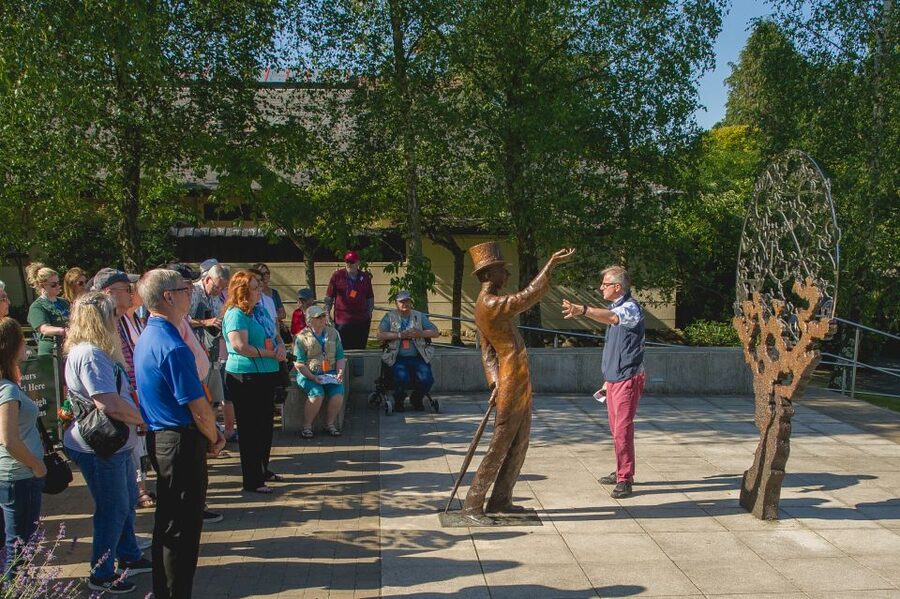
Inside the stud grounds, the highlight is the chance to view the horses in a structured, guided way. You join a free tour and view stallions. Then you move through areas where mares are kept alongside foals. This is where the property feels like a living system, not just a photo stop.
The public tour is where the “how” comes through. Guides explain what it takes for breeding and what happens through the early stages. In reviews, guides like Sue and Amanda were praised for being especially good at making the details understandable without getting boring. That matters. If you’re curious about racehorses but you do not know much terminology, a good guide turns the whole visit into a story you can follow.
One more tip: build in a little buffer around your tour start time. Even if you arrive early and wander a bit, you’ll want enough energy left to enjoy the guided section without feeling like you are sprinting. One review described being offered an earlier tour, and getting that extra chance to see stallions and foals made the day feel even better.
Gardens break up the horse focus, and they are genuinely different
After the stables, you get two garden experiences that slow your pace and give you a change of scenery.
Next tune called in Dublin:
- Dublin to Cliffs of Moher, Burren, Wild Atlantic Way, Galway Tour
★ 5.0 · 12,924 reviews - Dublin to Belfast Black Cab, Dunluce Castle and Giant’s Causeway
★ 5.0 · 7,954 reviews - Kilkenny, Wicklow Mountains & Glendalough Day Tour from Dublin
★ 5.0 · 7,897 reviews - From Dublin: Wicklow Mountains, Glendalough & Kilkenny Tour
★ 4.8 · 6,235 reviews
Japanese Gardens, calm walking and the Life of Man path
The Japanese Gardens are designed for quiet time. Think shaded paths, visual harmony, and a feeling of stepping away from the bustle of racing talk. You’ll travel the Life of Man path, which traces the passage of a soul from birth to death and beyond. Even if you do not study symbolism, you’ll feel the rhythm of it as you move through the space.
This garden is also a great choice if the weather changes. Reviews mention the day can include rain on and off, and the gardens still offer plenty to see while you pause and catch your breath.
St Fiachra’s Garden, Irish identity and wildlife spotting
St Fiachra’s Garden is the inherently Irish counterpart. It symbolises the power of the Irish countryside. The emphasis here is on native species and Irish wildlife. If you enjoy noticing plants, birds, and small details rather than just the biggest sights, this is the garden where you can slow down and pay attention.
Together, the two gardens make the day feel balanced. You’re not only thinking about pedigree and racing. You also get quiet spaces where nature and design do the storytelling.
The award-winning Irish Racehorse Experience, from owning a horse to a simulated race day
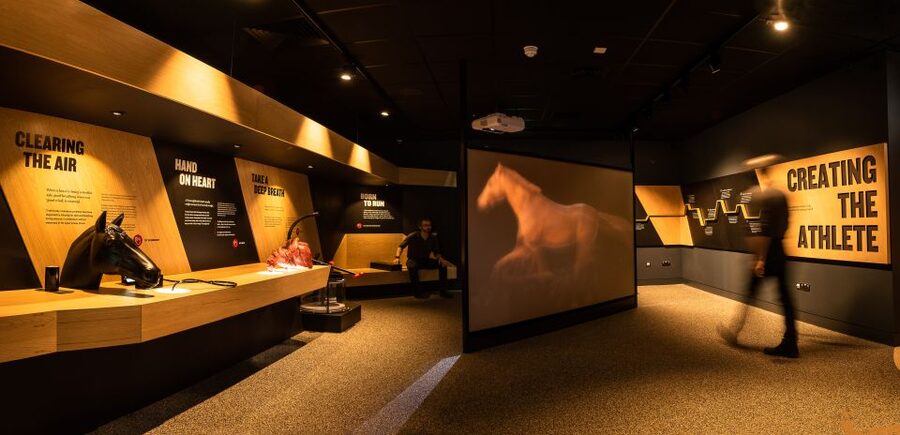
This is the part that turns your visit from sightseeing into participation. The Irish Racehorse Experience is award-winning, and it is built as a journey through a racehorse’s timeline.
What you do inside
When you enter, you get a horse box that gives you the idea of owning a racehorse. You’ll learn about:
- foaling
- early years
- the history and development of thoroughbreds
Then comes the interactive auction where you can purchase an unbroken yearling. After that, the experience walks you through training, racecourses, jockeys, and even the anatomy and physiology of these athletes.
You’ll also see a betting and fashion-style atmosphere with animated commentary, then watch your chosen racehorse on race day. There’s even a simulated ride to show how your investment might work.
This is a lot for one ticket, which is why it feels like good value. It also helps if your group includes mixed interests. One person may love the horses outside. Another may prefer the indoor learning and interactive elements. This setup lets both types of people stay engaged.
Timing matters because it is capped
Because the experience opens from 11:00 AM to 4:00 PM, try not to treat it as optional. If you show up late, you can end up missing the best part of the ticket.
Living Legends room, retired racehorses, and the world beyond the track
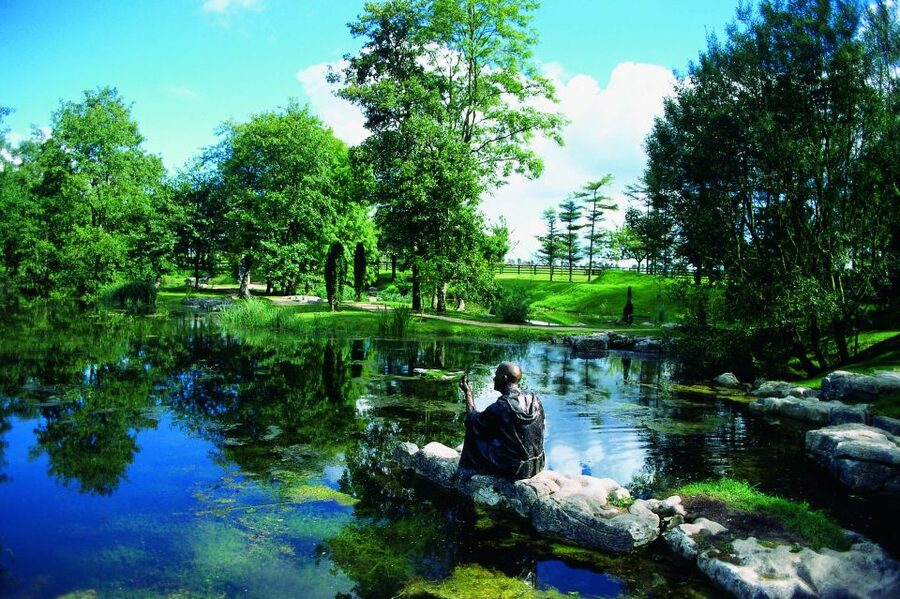
A key emotional payoff of the visit is the Living Legends section, focused on retired equine racing stars. The experience includes a room with floor-to-ceiling windows that overlook elite retired racehorses as they graze in the paddock.
This part matters because it reframes racehorse glamour into long-term care. You learn about life after racing, and you also see the diaspora of famous horses and people around the world. In other words, you connect what you watched outside with what happens to thoroughbreds when their racing days are over.
You can meet familiar names as part of the Living Legends team, including Hurricane Fly, Beef, Salmon, and Faugheen. Even if you only know them from headlines or betting conversations, the room helps you understand them as real animals with real routines.
Who this is best for, and who might want to skip it
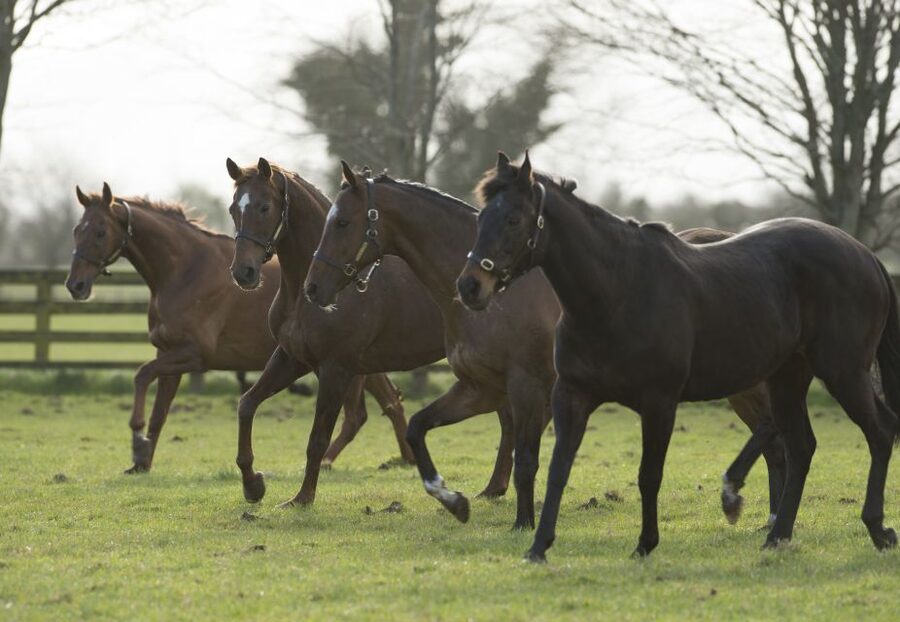
This is ideal for:
- Horse lovers who want more than a casual photo op
- Families with kids 7 and up who can handle the interactive experience
- Anyone curious about how thoroughbreds are produced, raised, and connected to racing
- People doing a Dublin trip who want a calm, rural day with standout outdoor scenery and a strong indoor program
You might think twice if:
- Your schedule is tight and you cannot match tour times or the 11:00 AM to 4:00 PM window for the interactive experience
- You dislike structured tours and prefer totally free roaming time (the day is still flexible, but the tour is a major anchor)
What to do if weather turns, and how to pace yourself
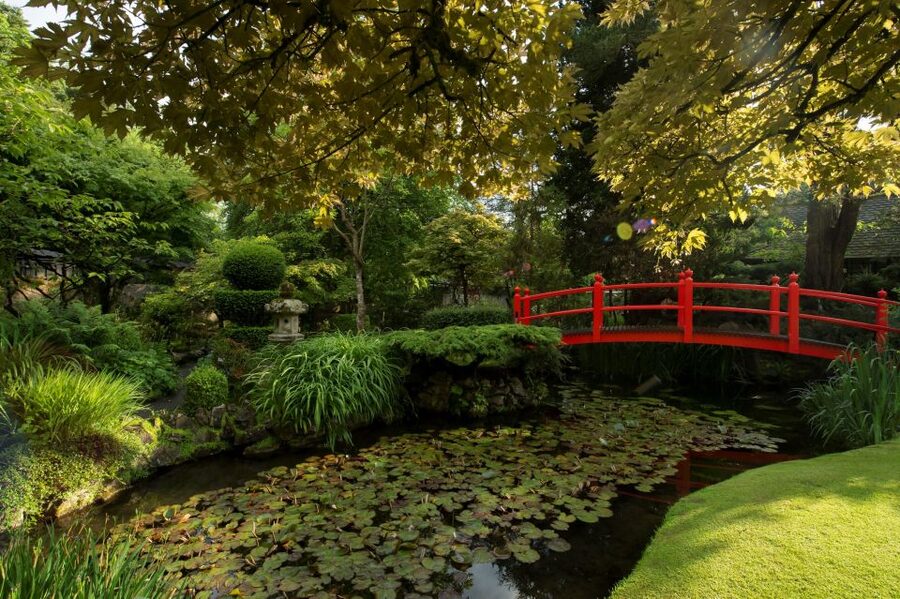
Ireland’s weather can change quickly. The good news is the stud visit has variety. If rain hits, the Japanese and St Fiachra’s Gardens still give you things to see. And if the outdoors slows down, the indoor Irish Racehorse Experience and the Living Legends room keep your momentum.
My pacing advice is simple:
- Spend your first block of time with the horses and the guided tour, so you catch the energetic payoff early.
- Use garden time as your reset, not just a filler.
- Save the interactive experience and Living Legends sections for when you want learning and atmosphere in a controlled setting.
If you want a break, there is also a restaurant on the site where you can grab lunch. One review specifically mentioned lunch in the restaurant at the garden as first class, so it’s worth planning a meal into your day rather than rushing through hungry.
Practical value: is $22 the right price for this mix?
For $22 per person, you get a package deal. You’re not paying just for stables. You’re paying for:
- access to the stud and gardens
- a guided public tour
- entry to the interactive Irish Racehorse Experience
- the Living Legends areas with retired racehorses
That mix is what makes the price feel fair. A lot of attractions charge similar money but only deliver one angle: either outdoor sightseeing or indoor entertainment. Here you get both, and they link together. Even if you only care about racing, the gardens and the outdoor horse viewing stop the day from feeling like a classroom.
Final call: should you book the Irish National Stud?
If you’re in Dublin and you want a day trip that feels distinctly Irish, with real horses, well-run grounds, and an interactive racehorse story that keeps you engaged, I’d book it. The strongest reasons are the hands-on stud viewing with an informative tour, the chance to connect retired stars like Hurricane Fly and Faugheen to life after racing, and the interactive Irish Racehorse Experience that turns learning into something you do, not just something you watch.
Before you commit, check the tour time and the Irish Racehorse Experience window. If you can match those, you’ll get a full, satisfying day rather than a rushed one. If you cannot, you may still enjoy the grounds, but you would be underusing what the ticket is built to deliver.
FAQ
How far is the Irish National Stud from Dublin?
It is about 40 minutes outside Dublin.
How much does the ticket cost?
The price is listed as $22 per person.
How long does the experience take?
It is listed as 1 day.
What time does the Irish Racehorse Experience run?
It opens from 11:00 AM to 4:00 PM.
What are the public tour times?
Public Tour times are 10:30 AM, 12:00 PM, 2:00 PM, and 4:00 PM. In summer, there are additional times at 1:00 PM and 3:00 PM. From October onwards, the tour times are 11:00 AM and 2:00 PM.
What is the last entry time?
The last entry is at 5:00 PM.
Is the Irish Racehorse Experience suitable for young children?
It is not available for children under age 7 unless accompanied by an adult.
What gardens are included?
You can visit the Japanese Gardens and St Fiachra’s Garden.
Is the venue wheelchair accessible?
Yes, it is wheelchair accessible.
Which retired racehorses are highlighted?
The Living Legends team includes Hurricane Fly, Beef, Salmon, and Faugheen.