

Reviewed · SELF-GUIDED TOURS
St Patrick’s Cathedral: Self-Guided Cathedral Admission
Stone and saints meet Swift in Dublin. St Patrick’s Cathedral sits by the well tied to St Patrick’s stories and has shaped Dublin worship for over 800 years, and I love that it gives you a direct hit of literary history by letting you visit where Jonathan Swift is buried.
I also like how the visit is built around smart self-guided tools. The audio guide is included in multiple languages, and the new Discovery Space adds touch-screen learning, iPads with choir samples, and even a brass rubbing activity.
One possible drawback: it can get busy at peak times, so you’ll want a little patience when you’re moving between highlights, and the end-of-visit shop can feel like a mood shift if you want maximum solemn calm.
In This Review
- Key highlights you should plan around
- Entering St. Patrick’s Cathedral and Getting Oriented
- Skip the Line and Use the Audio Guide at Your Own Pace
- Jonathan Swift’s Tomb and the Cathedral’s Literary Link
- The Door of Reconciliation and the Irish Saying You’ll Hear
- Gothic Architecture and Stained Glass You Can Actually Follow
- Discovery Space: Touch Screens, Choir Samples, and Brass Rubbings
- Guided Tours at Set Times, Plus Sung Services
- When to Go, What to Expect Inside, and Where to Pause
- Price and Value for a 1-Day Cathedral Visit
- Should You Book This Self-Guided Admission?
- FAQ
- What is included with St Patrick’s Cathedral self-guided admission?
- What languages are available for the audio guide?
- How much does it cost?
- How long is the admission valid?
- Is there a way to skip the ticket line?
- Is St Patrick’s Cathedral wheelchair accessible?
- Do children need an adult to attend?
Key highlights you should plan around
- Jonathan Swift’s burial site inside the cathedral, with artifacts that connect him to his dean years
- The Door of Reconciliation, tied to the Irish expression to chance your arm
- Stained glass storytelling, including a window that shows St Patrick’s life in 39 images
- Discovery Space hands-on learning, with touch screens, choir samples, and brass rubbing
- On-site guidance options, including sung services and short guided tours at set times
Entering St. Patrick’s Cathedral and Getting Oriented
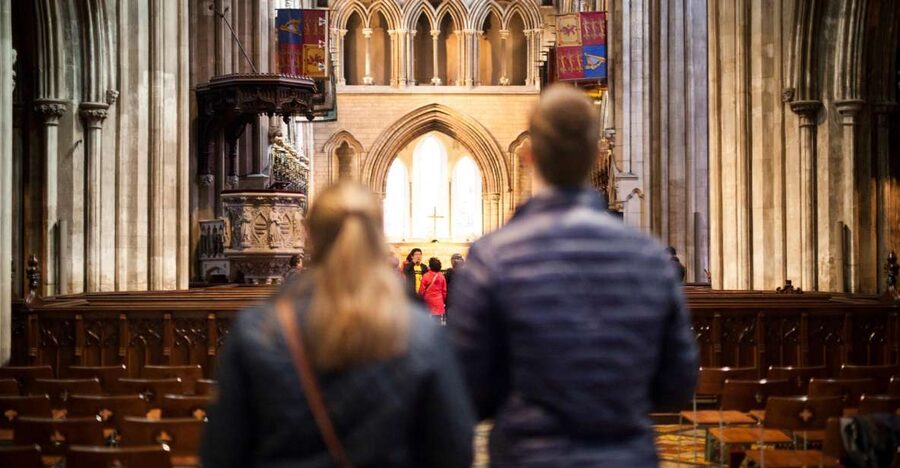
St Patrick’s Cathedral is Dublin’s big spiritual stage, and it’s also a place where Irish identity feels very physical. The building honors Ireland’s patron saint, and tradition places the famous well next door, where St Patrick is said to have baptized converts during his Dublin visit.
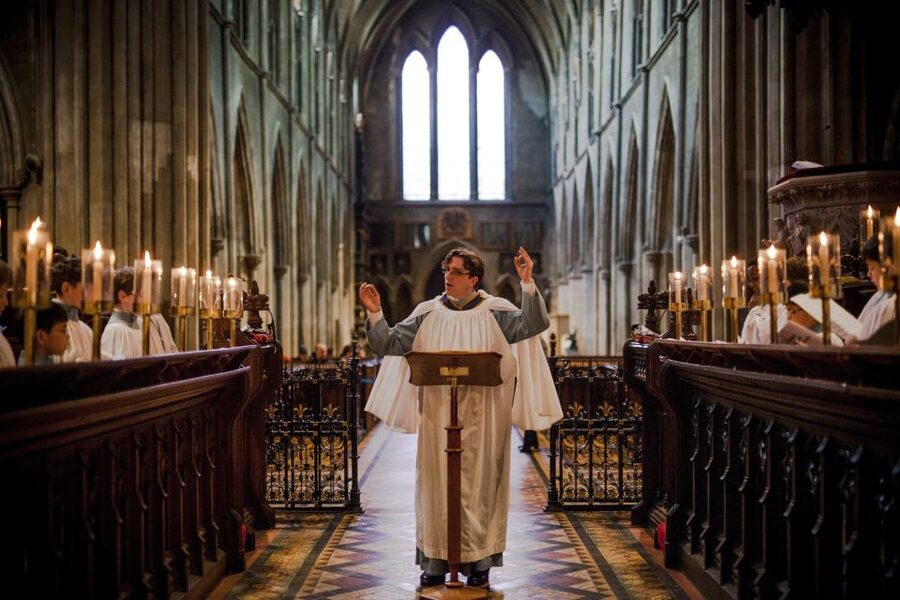
Built in 1220, the cathedral today is the National Cathedral of the Church of Ireland. That matters because the site is still active: you can catch sung services twice daily from Sunday through Friday, while the rest of the building works as a visitor attraction.
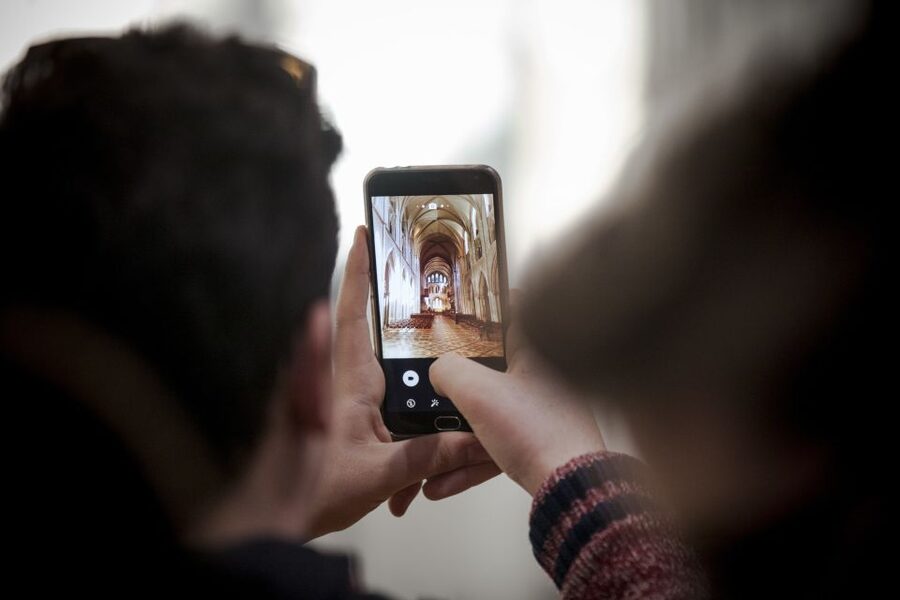
When you arrive, take 5 minutes to look around before you start listening. The cathedral is designed for lingering, but people move in waves, especially around popular photo points. If you’re the kind of person who likes a plan, start by choosing your order: either work your way through the main interior highlights first, then slow down in the Discovery Space.
Skip the Line and Use the Audio Guide at Your Own Pace
This is a self-guided admission, but it’s not the kind where you wander around guessing what you’re seeing. Audio guides are included, and they’re available in English, French, German, Italian, Spanish, and Irish.
In practice, the audio setup works well because it ties explanations to specific spots. You can treat it like a guided walkthrough without being glued to a group timetable. Several people also point out that it’s easy to use and helps you avoid missing details, which is exactly what you want in a big church.
Two practical tips make a difference:
- Use your own wired headphones if you have them, or connect through your phone if that’s an option for your device setup. Less sound leak equals a calmer experience.
- Listen selectively. If you get one really strong stop, you can spend extra time there and still keep moving.
Also, don’t ignore the smaller features that the audio calls out. In places like this, the building’s meaning often shows up in details, not just the big view.
Also keeping time in Dublin



Jonathan Swift’s Tomb and the Cathedral’s Literary Link
If you’re a writer, a literature fan, or even just curious about how Ireland’s past lives on in culture, Swift is the stop you’ll remember. Jonathan Swift, author of Gulliver’s Travels, served as dean of the cathedral from 1713 to 1745, and his burial is inside the cathedral.
What makes this feel worthwhile is that you’re not just hearing a name. You can see a selection of artifacts related to him on display, which gives you a clearer sense of who he was and how his role connected to the cathedral.
Here’s how I’d approach it if you want maximum payoff:
- First, find the Swift area on your route and take in the setting.
- Then listen to the audio segment tied to him.
- Finally, circle back for a slower look at any artifacts you noticed earlier.
That order helps you connect the stone and the objects with the story, instead of letting it become a quick fact check.
The Door of Reconciliation and the Irish Saying You’ll Hear
One highlight people actively look for is the Door of Reconciliation. It’s the source of the Irish expression to chance your arm.
This is the kind of detail that makes a visit stick in your memory because it connects the cathedral to everyday language. You’re basically standing next to a phrase’s origin, then you can carry it with you after you leave.
When you reach this part of the building, slow down for a moment and look at how the door fits into its surrounding space. In older churches, doors are never just doors, they’re boundaries for people and rituals. The audio helps you understand that, but your own eyes will do the rest.
Next tune called in Dublin:
- Dublin to Cliffs of Moher, including Wild Atlantic Way and Galway
★ 5.0 · 23,331 reviews - From Dublin: Cliffs of Moher, Burren & Galway City Day Tour
★ 4.8 · 18,888 reviews - Dublin: Guinness Storehouse Entry Ticket
★ 4.6 · 16,863 reviews - Dublin to Cliffs of Moher, Burren, Wild Atlantic Way, Galway Tour
★ 5.0 · 12,924 reviews
Gothic Architecture and Stained Glass You Can Actually Follow

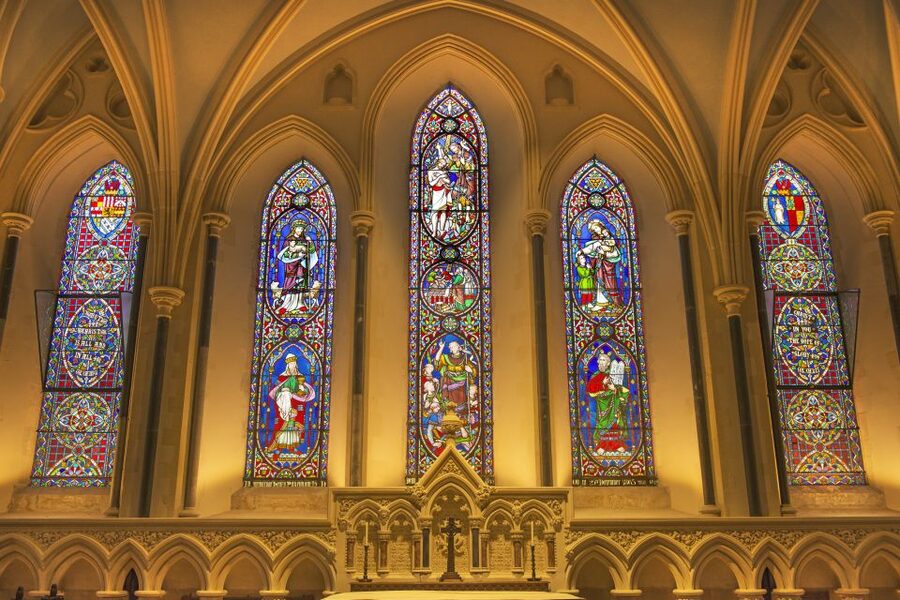
St Patrick’s Cathedral is famous for its Gothic architecture, and the interior has that classic mix of calm stonework plus dramatic light. If you like stained glass, this is a strong stop. You’ll see beautiful windows across the cathedral, including one that shows the life of St Patrick in 39 images.
A practical way to enjoy this window without feeling lost is to treat it like a story strip. Don’t try to read every panel at full speed. Let your eyes travel row by row, then use the audio for context.
If you’re someone who loves structure, Gothic architecture is your friend here. Look for how the building guides sight lines upward, then notice how the stained glass changes the mood. In churches, light is part of the message, not just decoration.
One more note: the cathedral can be busy, so plan to pause at side points where you can see without everyone crowding directly in front of you. If you go at a quieter time, you’ll have an easier moment to take it all in.
Discovery Space: Touch Screens, Choir Samples, and Brass Rubbings
The Discovery Space is where this visit starts to feel more modern and more playful, without turning the cathedral into a theme park. It uses interactive touch-screen technology and iPads playing samples of the cathedral’s choir.
You can also take part in a brass rubbing activity. It’s simple, but it adds something tactile to your visit, which is rare for cathedral experiences. When you make contact with the details, the building’s craftsmanship becomes easier to understand.
Here’s what I’d do once you’re inside Discovery Space:
- Spend enough time to understand what you’re seeing, not just to finish quickly.
- Choose one theme to focus on, like the cathedral’s long story or the choir sound samples.
- If you’re traveling with kids, the hands-on element can help keep attention steady.
People often mention that the interactive tools clarify the cathedral’s long history in a way that feels clearer than reading alone. For many visitors, that’s the difference between seeing the space and understanding it.
Guided Tours at Set Times, Plus Sung Services

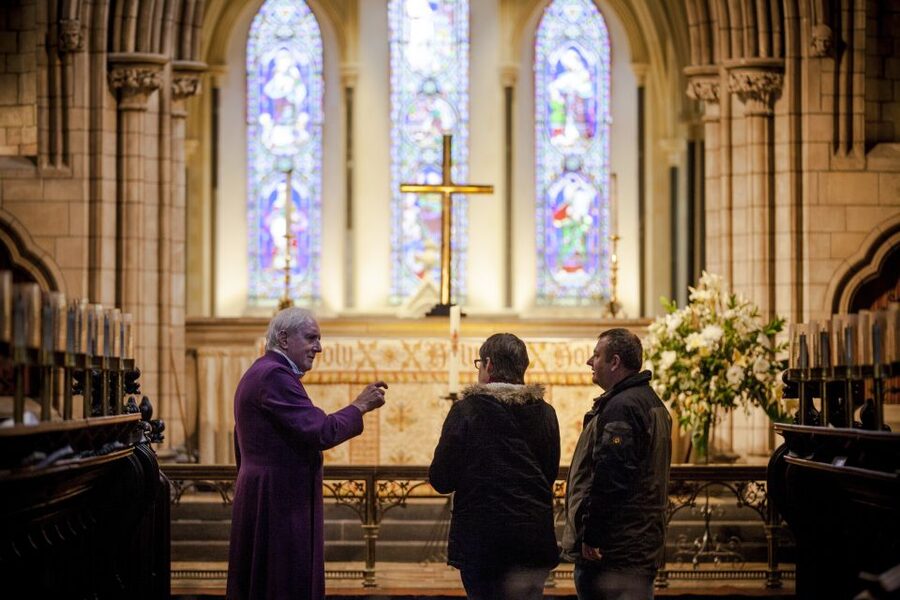
Even though this is self-guided, it helps to know that you’re not locked into solo listening forever. Sung services run twice daily Sunday through Friday, and you may also find short guided tours at designated times. Some days, those guided tours appear frequently, with intervals like every 15 minutes mentioned by visitors.
This matters because you can choose your style:
- If you want freedom and pacing, do the audio route.
- If you want someone to answer questions, join a guided tour when one matches your timing.
- If you arrive near a start time and miss it, self-guided still works smoothly.
If you’re lucky, you’ll also hear music. Reviews note a choir performing during visits, which can make the cathedral feel extra alive even before you hit the stained glass windows.
For guided tour moments, I’ve heard names of staff guides connected to excellent explanations, including Anna and David. If you see them leading a group, it’s worth joining, even for part of the route.
When to Go, What to Expect Inside, and Where to Pause
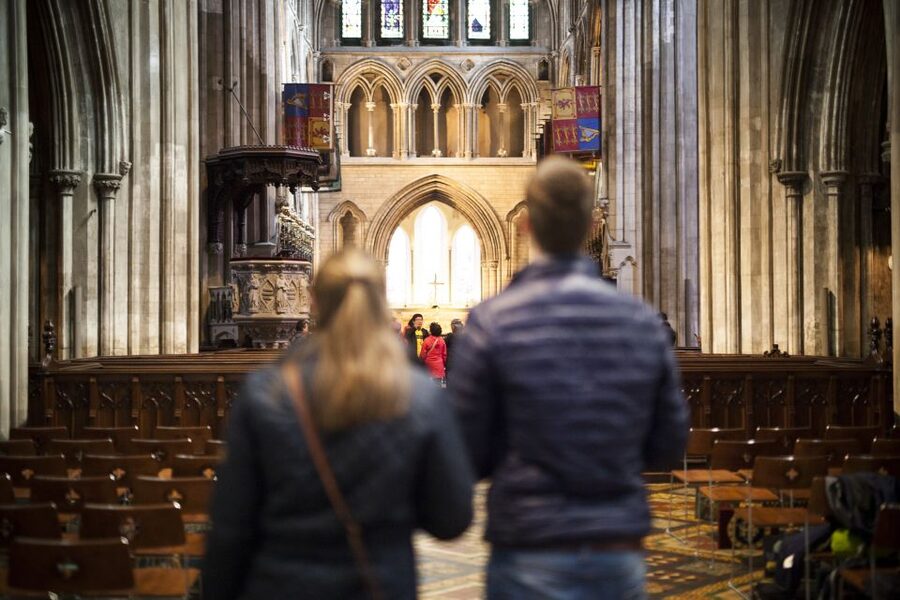
Timing affects how comfortable the visit feels. Around midday, especially during travel-heavy seasons, the cathedral can be crowded. The good news is that crowd management is handled well, and the flow between areas generally keeps the visit enjoyable.
Still, you’ll want a strategy if you hate bottlenecks. Go with one or two must-dos, then let the rest be flexible. In a place like this, it’s better to enjoy fewer highlights thoroughly than rush through everything with your head on a swivel.
A few small comfort points help too. There is an on-site toilet available, though it may be in a separate, temporary-style structure outside the main cathedral area. If nature calls, don’t try to wait until you’re tired and frustrated, just plan a quick stop when you see an open moment.
Also, don’t ignore what’s around the cathedral. The park outside is described as gorgeous, and on certain days people have noticed events like filming in the surrounding area. You might get a calm moment outdoors after you finish the interior, which helps the experience end on a lighter note.
Price and Value for a 1-Day Cathedral Visit
The price is $12 per person, and for a Dublin landmark, the value is pretty strong if you use what’s included. You’re paying for more than entry. You get self-guided access, multilingual audio guides, and the chance to use interactive tech in the Discovery Space.
That bundle matters because it reduces decision fatigue. Cathedral visits can feel like information overload, or like you miss half the details. Here, audio stations and interactive learning give you structure while still letting you move at your own speed.
Duration is flexible in the sense that admission is valid for 1 day, but you’ll need to check available starting times. If you want the best experience, aim for a time when you can spend a longer stretch inside without feeling rushed.
One more value angle: this is a good choice if your day is already packed. You can build a satisfying loop in a couple of hours, then still have time for other Dublin stops. It’s also a solid rainy-day plan because the main experience is indoors, with a small outdoor park payoff if weather cooperates.
Should You Book This Self-Guided Admission?
Book it if you want a high-information cathedral visit without being tied to a group schedule. The included multilingual audio and the hands-on Discovery Space make this feel like more than just walking around.
Skip it or consider another format if you only want the quietest, least crowded experience, because peak times can be lively. Also, if you love solemn atmosphere all the way to the last second, be aware the end-area shop can feel like a practical add-on rather than a final peaceful moment.
For most people, though, this is a smart Dublin stop. You get major architecture, a direct connection to Irish culture through the Door of Reconciliation, and a clear literary anchor via Jonathan Swift, then you get a modern learning layer through touch screens, choir samples, and brass rubbings. That mix makes it a good use of your time.
FAQ
What is included with St Patrick’s Cathedral self-guided admission?
Self-guided admission and audio guides are included.
What languages are available for the audio guide?
The audio guide is available in English, French, German, Italian, Spanish, and Irish.
How much does it cost?
The price is $12 per person.
How long is the admission valid?
The admission is valid for 1 day. You should check availability to see starting times.
Is there a way to skip the ticket line?
Yes, skip the ticket line is included.
Is St Patrick’s Cathedral wheelchair accessible?
Yes, the activity is wheelchair accessible.
Do children need an adult to attend?
Yes. Under 18s must be accompanied by a parent or guardian.
Latest to join the session in Dublin







Self-Guided Tours, compared.

Christ Church Cathedral Entrance Ticket & Self-Guided Tour
Read our review →
Self-Guided Bike Tour of Killarney National Park, Muckross Gardens & Waterfall
Read our review →




Browse the lists this tour appears in