Reviewed · DUBLIN TOURS & EXPERIENCES
The Dublin True Crime Tour
Dublin hides murders in plain sight. The Dublin True Crime Tour turns key downtown landmarks into a fast, feet-on-the-ground story of theft, punishment, and grim survival. In just about 2 hours, you hop between places tied to old crimes and old legends, with a guide steering the pace and the facts.
I like two things most. First, the small group size (max 19) keeps it conversational, not lecture-y. Second, the route strings together major city spots you would normally visit on your own, like Trinity College Dublin and Christ Church Cathedral, but with a story spine that makes them stick. The one drawback to consider: if you are expecting a very specific era (like Victorian-only mayhem) or a certain tone, the mix of tales may not line up with what you pictured, and story clarity depends on how the guide is doing.
In This Review
- Key things to know before you go
- Dublin True Crime Tour in 2 hours: what you really get
- Route and timing: from 1 College Green to St Audoen’s
- Bank of Ireland: a heist story that makes the street feel alive
- Trinity College Dublin: old murders and how punishment worked
- Molly Malone Statue: graverobbers and courtesans on Dublin’s 18th-century streets
- Dublin Castle: Crown Jewels theft and the cost of getting caught
- Dubh Linn Gardens: Veronica Guerin memorial and the Chester Beatty angle
- Christ Church Cathedral: the head of St. Lawrence and postmortem adventures
- Small group size and guide delivery: the difference between fun and muddled
- Price and value at $16.90: why it feels like a bargain
- Practical tips for a dark-walk afternoon
- Should you book the Dublin True Crime Tour?
- FAQ
- How long is the Dublin True Crime Tour?
- What does the tour cost?
- What language is the tour offered in?
- Where do I meet the tour?
- Where does the tour end?
- What time does the tour start?
- Is there a maximum group size?
- Do I need a printed ticket?
- Does the tour run in any weather?
- Are service animals allowed?
Key things to know before you go
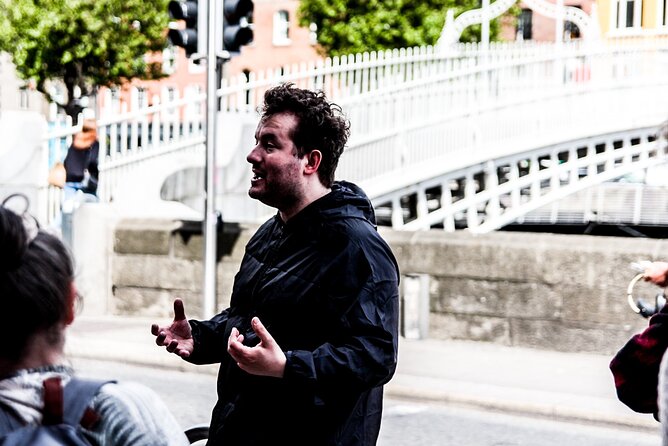
- Max 19 people means more Q and a more personal feel
- 2 hours with timed stops keeps the walk tight and purposeful
- Major landmarks in one loop (Trinity College, Dublin Castle, Christ Church Cathedral)
- Mostly included/free site moments with admission listed as free at the stops
- Good-weather dependent so plan for a practical change if Dublin decides to drizzle
Dublin True Crime Tour in 2 hours: what you really get
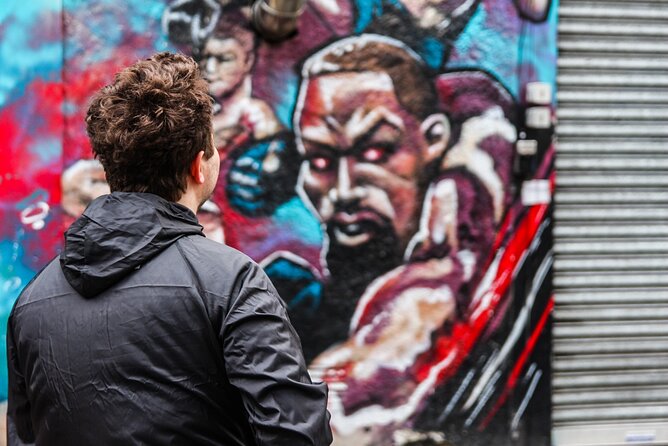
This is not a quiet museum tour. It is a walking story tour that treats Dublin like a crime board. You move from one site to the next and the guide explains the “how,” “why,” and “what happened next,” with a focus on the human side of the past, not gore for gore’s sake.
What makes it work is that the facts are anchored to real places. You are not just hearing about a plot. You are looking at the backdrop where people once lived, worked, and got into trouble. And because you are out on the street, you can connect the stories to today’s city rhythm. You’ll leave with a map in your head, not just a list of names.
If you enjoy true crime, Irish history in bite-size form, or simply want a more interesting route than the standard “sights only” walk, this hits the mark. The price also helps. For $16.90, you are paying for a guided story route plus a smooth way to see several landmarks without booking separate entry plans.
Route and timing: from 1 College Green to St Audoen’s
Your day starts at 1 College Green, Temple Bar area (D02 YT92) with a 4:00 pm departure. The tour ends at St Audoen’s Catholic Church, High St, Merchants Quay. That end point matters, because it puts you back in the historic core for dinner or a second walk without needing a long commute.
The timing is built to keep you moving. Each story stop is short, often around 5 to 15 minutes, then you reset and walk to the next corner. You get a total experience time of about 2 hours, so it fits well into an afternoon that otherwise might drift.
You will also be using a mobile ticket, which keeps everything simple on your phone. It is also listed as near public transportation, so you can stitch it into a Dublin day without stress.
One small practical note. Since it is a walking tour, your comfort matters. Wear shoes you trust for uneven sidewalks and curb hops, especially if the weather turns.
Also keeping time in Dublin



Bank of Ireland: a heist story that makes the street feel alive
The Bank of Ireland stop sets the tone fast. You hear the tale of Ireland’s biggest heist, plus the tiger kidnapping connected to it. It’s the kind of story that sounds like it should belong in a novel, but it is told as something that happened in the real world, at a real institution.
What I like about starting here is the contrast. Dublin is known for chatty pubs and old stone streets, but this stop pulls the focus toward systems, money, and consequences. It also gives you a reference point early in the walk. Once you learn the “crime stakes” behind the story, the later stops make more sense.
Potential drawback. If you are not in the mood for theft and scandal stories, you might find this opening a little sharper than expected. But if you like true crime basics like motive, opportunity, and fallout, you’re in the right lane from the start.
Tip for you: as you listen, glance around at the building and try to picture how people would have moved through the area when the story unfolded. The guide’s details will click faster.
Trinity College Dublin: old murders and how punishment worked
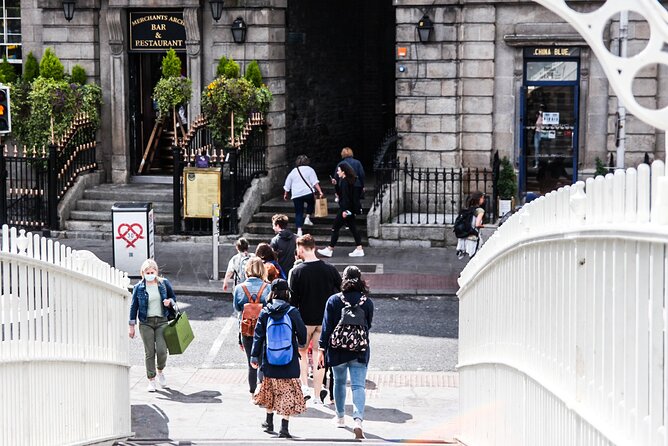
Next up is Trinity College Dublin, where the stories shift toward the grim mechanics of the past. You hear about old murders connected to the college and how the murderers were punished.
This is where the tour does something more useful than just entertainment. It turns the site into a lesson about how law and punishment showed up in everyday life. Even if you only retain a few story points, you start to understand the mood of the era: rules were strict, and consequences were public.
The 5-minute stop keeps it focused, so you are not stuck in one place while the rest of Dublin waits. The guide typically uses the time to land the core narrative, then moves you along so you can keep building context across the route.
One caution for your expectations. Short stops mean you will get the story arc, not a long legal history lecture. If you want every historical detail, pair the tour with a bit of reading afterward. But for a lively walking experience, the pacing is a strength.
Next tune called in Dublin:
- Dublin to Cliffs of Moher, Burren, Wild Atlantic Way, Galway Tour
★ 5.0 · 12,924 reviews - Dublin to Belfast Black Cab, Dunluce Castle and Giant’s Causeway
★ 5.0 · 7,954 reviews - Kilkenny, Wicklow Mountains & Glendalough Day Tour from Dublin
★ 5.0 · 7,897 reviews - From Dublin: Wicklow Mountains, Glendalough & Kilkenny Tour
★ 4.8 · 6,235 reviews
Molly Malone Statue: graverobbers and courtesans on Dublin’s 18th-century streets
At the Molly Malone Statue, the tour gets more character-driven and a bit more human. You hear about both graverobbers and courtesans tied to 18th-century Dublin. This stop is longer, about 15 minutes, which signals how much story weight fits here.
This is also a smart choice for anyone who thinks “true crime” only means violent crimes. The past had complicated social underbellies. You see how people survived, how reputations worked, and how law collided with desperation.
If you enjoy dark folklore and social history, this stop is often the one that surprises you. The statue itself is a familiar Dublin landmark, and hearing the alternate stories linked to the era makes it feel less like a photo spot and more like a clue.
Watch your timing. Because the stop is longer, you might want to pause your phone and just listen. If you try to multitask, you can miss the best turns of the narrative.
Dublin Castle: Crown Jewels theft and the cost of getting caught
Then you reach Dublin Castle, where the stories turn toward power and high-value crime. You hear about the Irish Crown Jewels heist, plus the types of punishment that would be doled out from this infamous location.
This is the “consequence” stop. It explains what happened when wrongdoing crossed the line into matters of state. The guide frames the location as a stage where decisions were made and sentences were delivered, so it feels less like abstract history and more like a system with a human outcome.
The stop is about 10 minutes, and the structure works well: the guide usually keeps the narrative tight, then points you toward how punishment was part of the message. That message is what makes the story stick.
If you are sensitive to grim themes, you should know this part leans hard into consequence. But it is still handled as history and story, not shock theater.
Dubh Linn Gardens: Veronica Guerin memorial and the Chester Beatty angle
At Dubh Linn Gardens, the mood gets a modern edge. You visit the Veronica Guerin memorial and hear her story. You also hear about a sneaky curator tied to the Chester Beatty, which adds a twist that broadens the crime theme beyond one “type” of story.
This stop matters because it helps you see that crime stories are not locked in the past. They keep echoing through institutions, reputations, and the people who document and challenge wrongdoing.
At 10 minutes, it has enough time for meaning, without bogging down the overall walk. It is also a nice emotional rhythm reset midway through the tour. After dealing with heists and punishments, you get a more grounded, human-centered story.
If you like when tours connect old and newer Dublin, this is your payoff stop.
Christ Church Cathedral: the head of St. Lawrence and postmortem adventures
The last story stop is Christ Church Cathedral, where you hear the tale of the head of St. Lawrence and its postmortem adventures. It is a strange, fascinating angle, and that is exactly why it works on a true crime-themed route.
This part feels like the tour flexing. You shift from theft and punishment to something more like relic lore and rumor, where identity, belief, and story transmission matter. It can sound odd at first, but if you enjoy how legends travel through time, you’ll get the fun.
The stop is about 10 minutes, so you get the main narrative beats and then you move on. That structure keeps the tour from turning into one long stop in one sacred space.
Practical note: cathedrals can have different lighting and acoustics than streets. If the group is small, you should still hear fine, but go slower in your listening. Let the guide set the rhythm.
Small group size and guide delivery: the difference between fun and muddled
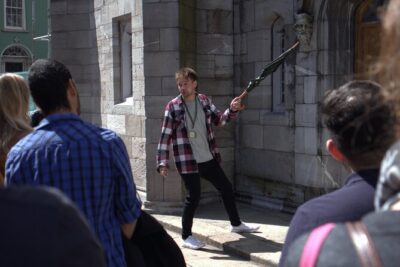
This tour is capped at 19 people, and that matters. It means the guide can actually read the room, handle questions, and keep the story moving without losing people. In the best moments, the tour feels like a conversation with a Dublin expert who cares about the details.
That said, clarity depends on delivery. In real life, any guide can have an off moment, and one or two reviews you would normally read about this kind of tour highlight that. If you show up needing perfectly crisp storytelling every second, keep your expectations flexible.
What you can do to get the most out of it is simple. Stay near the front when possible. If you struggle with understanding spoken English in outdoor noise, pick a spot where you face the guide and reduce distractions like loud music or filming.
Also, keep your questions ready. The best tours reward curiosity, and this one is built for that small-group back-and-forth.
Price and value at $16.90: why it feels like a bargain
For $16.90 per person, you are paying for a timed walking experience that ties together multiple landmark stops, a guided story thread, and a route that takes about 2 hours. That is good value in a city where a single museum ticket or a paid walking guide can cost nearly as much on its own.
You’re also not wasting time planning. The tour gives you a start point at 1 College Green, a clear end at St Audoen’s, and a story plan across several recognizable sites. That convenience is real money, even if it is not printed on a receipt.
And because the stops list admission as free at the sites, you are not likely to hit surprises where you need additional tickets. You are mostly paying for the guide and the route.
Bottom line. If you want a guided story walk without paying big-tour prices, this is one of the easier yes decisions.
Practical tips for a dark-walk afternoon
A few small things can make this tour smoother.
First, plan around good weather. The experience is marked as requiring it, so if conditions are poor you may be offered a different date or a full refund. Dublin weather loves plot twists, so check the forecast and dress accordingly.
Second, bring water and a light layer. Even a 2-hour walk can feel longer in wind, and you do not want to cut your attention short because you are uncomfortable.
Third, use your phone wisely. You have a mobile ticket, but once you’re at the stops, put the ticket away and focus. This is a story tour. The best moments happen when you let your eyes follow the guide’s descriptions.
Finally, if you are pairing this with other sights, think about sequence. Ending near Merchants Quay is handy for dinner, but give yourself a little buffer if you plan to enter any other places right after.
Should you book the Dublin True Crime Tour?
I think you should book it if you like true crime, enjoy history that feels connected to real street corners, and you want to see major Dublin landmarks without treating your day like a checklist. The small-group cap of 19 is a genuine quality lever here. It keeps the tour lively and lets the guide interact.
You might skip it if you are very particular about a single time period or crime style. This route mixes heists, executions and punishment themes, social crime angles, and even a cathedral relic story. If your ideal is strictly one era or strictly one kind of crime, you may feel the fit is uneven.
If you decide to go, my honest advice is to arrive ready to listen, not to research. Let the guide stitch the clues together. Then, if something catches your curiosity, do a quick follow-up reading afterward. That combo is how this kind of tour turns into real Dublin memory, not just a fun walk.
FAQ
How long is the Dublin True Crime Tour?
It lasts about 2 hours.
What does the tour cost?
The price is $16.90 per person.
What language is the tour offered in?
It is offered in English.
Where do I meet the tour?
You meet at 1 College Green, Temple Bar, Dublin, D02 YT92, Ireland.
Where does the tour end?
It ends at St Audoen’s Catholic Church, High St, Merchants Quay, Dublin, Ireland.
What time does the tour start?
The start time is 4:00 pm.
Is there a maximum group size?
Yes. The tour has a maximum of 19 travelers.
Do I need a printed ticket?
No. It uses a mobile ticket.
Does the tour run in any weather?
The tour requires good weather. If it is canceled due to poor weather, you will be offered a different date or a full refund.
Are service animals allowed?
Yes, service animals are allowed.
Latest to join the session in Dublin





Dublin Tours & Experiences, compared.

Dublin to Cliffs of Moher, including Wild Atlantic Way and Galway
Read our review →
Cliffs of Moher, Burren & Galway City Day Tour
Read our review →

Dublin to Cliffs of Moher, Burren, Wild Atlantic Way, Galway Tour
Read our review →
Kilkenny, Wicklow Mountains & Glendalough Day Tour from Dublin
Read our review →
Wicklow Mountains, Glendalough & Kilkenny Tour
Read our review →