
Reviewed · HIKING & TREKKING
Trek the Tombs and Trails in the Dublin Mountains
Tombs and trails. One great day. This Dublin Mountains walk mixes megalithic tombs with big panoramic breaks over Dublin and the bay. You take a local bus to the backroads first, then shift onto paths where the scenery does the talking and the guide fills in the meaning.
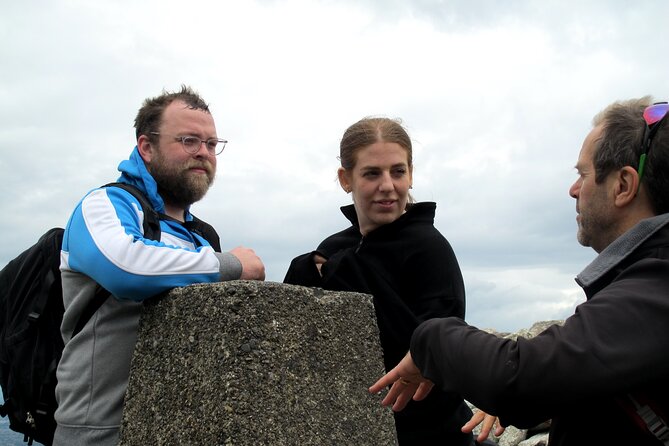
I especially like the small group size. With a maximum of 8 travelers, you get more attention on the walk, and it feels easier to ask questions about the places you’re stepping around. I also love how the route is built around stops you can actually see and picture, including wedge and cairn tombs, a stone circle burial, and a ridge-top vantage point.
One possible drawback: this is a long, outdoor hike, and it calls for moderate physical fitness. If you know you struggle on uneven paths for hours, you may want to choose something shorter or flatter.
In This Review
- Key highlights to look forward to
- Why this Dublin Mountains hike feels different from a typical day tour
- Getting to Dundrum and what the 7-hour timing really means
- The bus ride to the foothills: a calm start before the climbs
- Stop-by-stop: Glencullen and the first megalithic burial
- Wicklow Mountains National Park time: heading toward viewpoints and cairn tombs
- Wild berries on the trail: fun, seasonal, and actually memorable
- Ridge walking north to south: tombs, views, and a second ancient burial
- Descending through evergreen forest to the Hazel House area
- Price and value: what $180.44 buys you here
- Who should book this hike, and who should skip it
- Should you book Trek the Tombs and Trails in the Dublin Mountains?
- FAQ
- Where does the tour start and end?
- How long is the hike?
- What fitness level do I need?
- How many people are in the group?
- What language is the tour offered in?
- What is included in the price?
- Is lunch included?
- What if the weather is bad?
Key highlights to look forward to
- Two megalithic tomb visits with clear, on-the-walk explanations of what you’re seeing
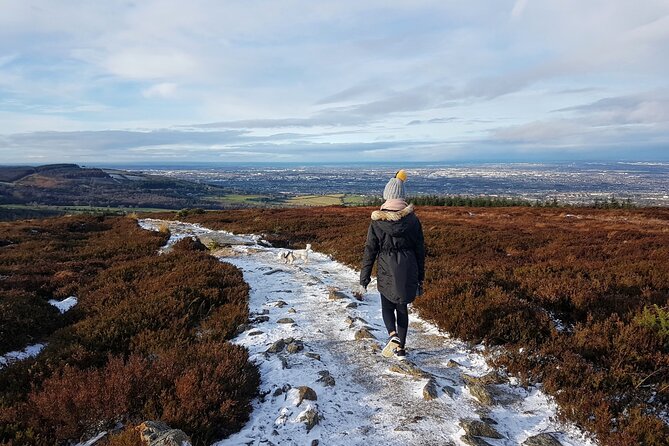
- Ridge-top panoramic views over Dublin to the bay, plus Wicklow to the south on clear days
- Wild berry picking (seasonal), with a chance to eat them on the spot or plan for jam or tart
- A small group capped at 8 for better guide attention and a calmer pace
- Evergreen forest descent that breaks up the climb, followed by a rural back-road finish
Why this Dublin Mountains hike feels different from a typical day tour
This hike works because it slows you down on purpose. You don’t just pass viewpoints from a bus window. You walk to them, then you pause in the exact spots where ancient builders placed their monuments.
The core payoff is the combination of human story and physical effort. You start with megalithic burial sites that date back to the second millennium B.C. You end up on a mountain top where you can read the land like a map: Dublin and the bay spread out below, Wicklow lies farther south, and the ridge gives you a natural sense of direction.
What makes it extra satisfying is that you get multiple types of “ancient site” in one outing. You’ll see a wedge-type tomb, a never-excavated cairn tomb, and a triangulation pillar at a popular vantage point. Later you’ll arrive at a second burial spot that includes an ancient stone circle and a burial place tied to the name of the mountain top it sits on. That variety matters, because it keeps your brain engaged the whole time instead of turning the day into one long repetition of similar sights.
Getting to Dundrum and what the 7-hour timing really means
The day starts at Dundrum, outside the Luas station. You’ll use public transport for the meeting point area, and then the trip takes over from there with a bus for the hike start and the return.
Duration is listed as about 7 hours, so plan like it’s a full half-day that takes up real energy. Even if you’re not sprinting up hills, you’re on foot through multiple sections of path, including ridge walking and a forest descent. The good news is that the itinerary is paced with breaks built around the sites and the views, so you’re not just hiking nonstop for 7 hours.
The tour language is English, and it’s set up for a moderate fitness level. That means the terrain is part of the experience, not just a backdrop. If you have decent footwear and you’re comfortable with uneven ground, you’ll likely find it manageable.
Also, this is a mobile ticket experience. That’s practical in Dublin, where you’ll want less paper and fewer steps before you even start walking.
More boggy boots and summit views:

The bus ride to the foothills: a calm start before the climbs
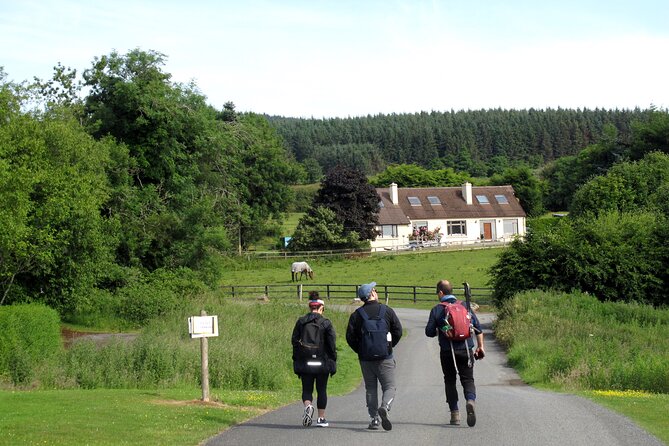
Before any tomb photos, you’ll hop on a local bus and head through the backroads of the Dublin foothills to a remote mountain village area. That bus segment is more than just transport. It sets the tone. You’re leaving city density behind in a gradual way, with the scenery starting to change before your hiking shoes even hit the trail.
This also helps you mentally prepare. The next stages are not “theme park flat.” You’re moving from village roads to meandering mountain paths, where the best moments tend to come after you’ve climbed a little, not during the first 10 minutes.
A small note that can matter in real life: you’ll see the day in sections. Bus in, hike up, view pause, tomb visits, ridge walk, forest descent, then back via a different route. That “different but equally enchanting route” return is a nice touch because you get a change in perspective instead of backtracking the exact same roads.
Stop-by-stop: Glencullen and the first megalithic burial
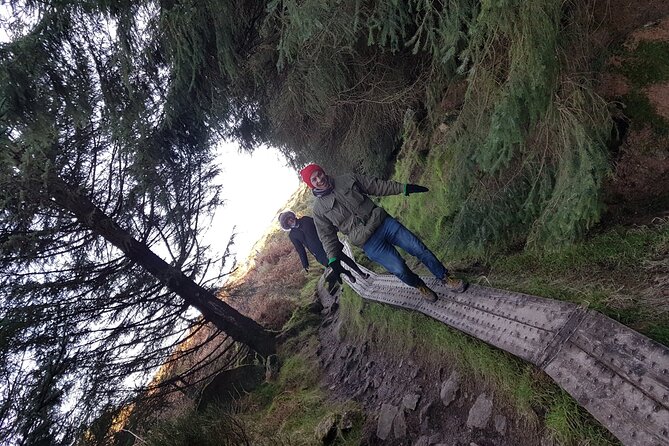
One of the first named stops is Glencullen, which frames your start in the right way: local foothills first, then hiking into the Dublin Mountains world.
The first major ancient site you reach is an ancient burial wedge tomb from the second millennium B.C. A wedge tomb is a specific kind of megalithic design, and the value here is that you’re not just told it’s old. You learn the history in context as you’re walking the path to it.
Why this matters for you: tomb sites can feel abstract if you’re just looking at stones without any idea what to look for. Here, your guide’s explanations help you connect the form of the tomb to the broader story of burial practices from thousands of years ago. It turns “rocks in a field” into a place with purpose.
Drawback to consider: the first tomb stop happens as part of an active hike day. If you’re hoping for a slow, museum-like pacing, this won’t be that. The site time is real and meaningful, but it’s part of a moving itinerary.
Also keeping time in Dublin
- Dublin to Cliffs of Moher, including Wild Atlantic Way and Galway
★ 5.0 · 23,331 reviews - From Dublin: Cliffs of Moher, Burren & Galway City Day Tour
★ 4.8 · 18,888 reviews - Dublin: Guinness Storehouse Entry Ticket
★ 4.6 · 16,863 reviews - Dublin to Cliffs of Moher, Burren, Wild Atlantic Way, Galway Tour
★ 5.0 · 12,924 reviews
Wicklow Mountains National Park time: heading toward viewpoints and cairn tombs
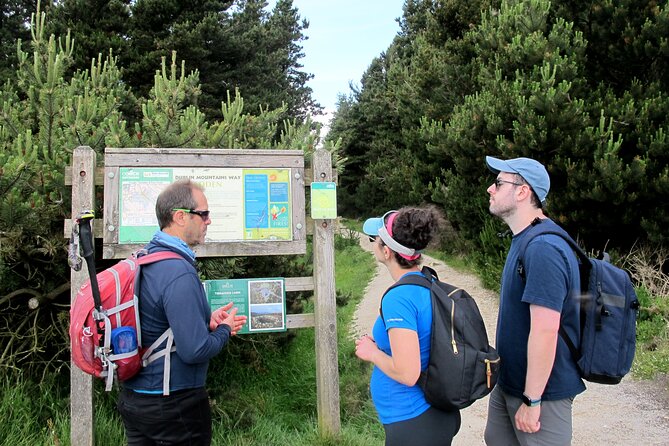
The day also includes Wicklow Mountains National Park as part of the route. This matters because national park trails and viewpoints tend to be built around getting you to the best parts of the area. You follow the Dublin Mountains Way, and that helps you feel like the route has a logic.
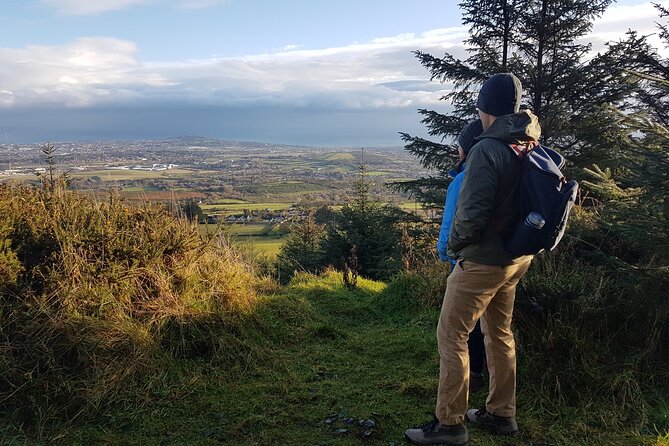
As you continue, you arrive at a popular vantage point. This is one of those “stop and look” moments where the mountain top rock puts you above the city noise.
Here’s what you’ll see at that viewpoint area:
- a never-excavated cairn tomb
- a triangulation pillar
Those two features are a cool pairing. The cairn tomb connects you to burial history without turning the place into a dig site story. The triangulation pillar shows that people later used the same kind of high ground for mapping and surveying. In one spot, the landscape becomes a long-term tool used by different eras.
For planning: bring your phone camera, but also give yourself a minute to just look. On clear moments, you’ll get panoramic views over Dublin and the bay area. Ridge-top days can change fast, so if clouds roll in, shift your attention to the immediate surroundings rather than waiting for perfect lighting.
Wild berries on the trail: fun, seasonal, and actually memorable
Depending on the season, you’ll pause along the hike to pick wild berries. You can enjoy them as you walk, and you may also have the option to think ahead for jam or tart later.
This part is more than a cute add-on. It turns the hike into something sensory. You get movement, smells, and a small task that fits the rhythm of trail walking. It’s also the kind of activity that breaks the day up so it doesn’t feel like a string of standing around at each monument.
Practical caution: berry picking is seasonal, so don’t expect it every day. Wear gloves if you’re the type who gets sticky hands easily. And if you’re unsure what berries are safe, follow what your guide suggests in the moment.
Ridge walking north to south: tombs, views, and a second ancient burial
After the viewpoint segment, you continue along a ridge with views stretching in two directions. Dublin is visible to the north, and Wicklow can open up to the south when conditions are right. That north-south spread is one of the best ways to understand how this area fits around the city.
Then comes the second big burial destination. You’ll arrive at a stone circle and an ancient burial place where the mountain top is named for the person it is associated with. Your guide ties the site to the naming and the site’s identity on the land.
This is where the small group detail pays off again. It’s easier to walk as a compact unit when the path narrows or you’re moving between lookouts. It also makes it easier to hear explanations and ask questions without having to pause for a crowd.
If you’re someone who gets bored with “standing still,” this segment helps because it’s not just one spot. It’s part of a ridge progression, so the views change while your guide builds the meaning behind each location.
Descending through evergreen forest to the Hazel House area
After the second burial site, you’ll head down a meandering path through an evergreen forest. This descent is a real part of the day’s design. It gives your legs a different feel than ridge walking, and it also changes the light and sound. In a forest, you often find you move more steadily because you’re not stopping every 30 seconds for a city panorama.
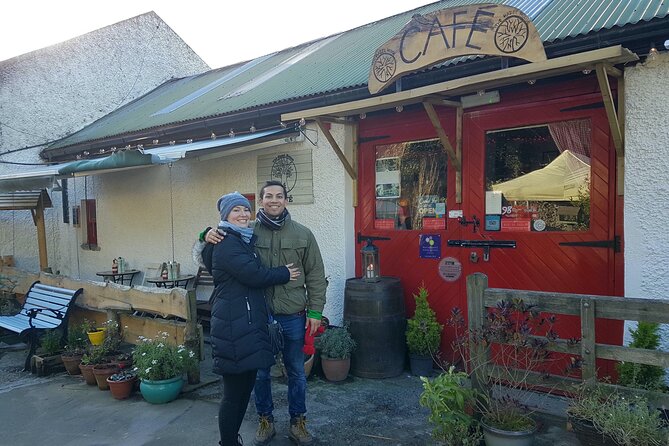
The route then continues down a rural back-road, and you reach the finish area around the Hazel House stop.
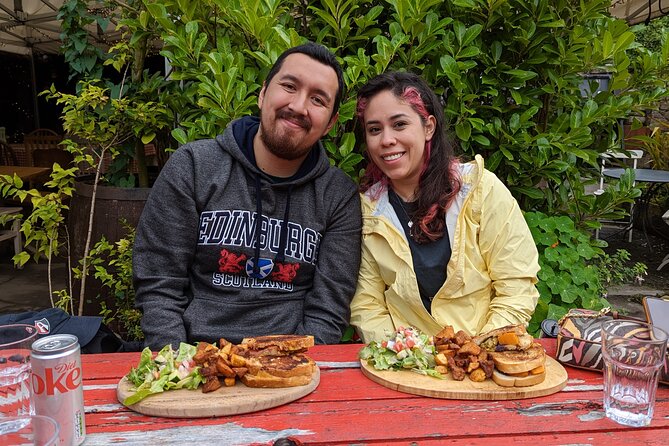
At this point, the hike shifts from physical to social. You’ve earned a break, and you’re presented with two simple options:
- lunch at a quaint rustic cafe and restaurant, using local produce and cuisine
- a well-earned pint at a local country pub
Even if you skip alcohol, the café part is worth knowing about. After a hike like this, a real meal matters more than snacks. This is also one of those days where you’ll be happy you didn’t try to “power through” on energy drink logic.
Price and value: what $180.44 buys you here
At about $180.44 per person, this isn’t a bargain-basement hike. But it also isn’t priced like a private guide for two. So what are you paying for?
You’re paying for:
- guided interpretation at multiple megalithic tomb sites
- transport by bus through the area to and from the hike
- a small group cap of 8 travelers
- a day that includes both physical trail time and viewpoint stops that would be harder to string together on your own
In plain terms, the price makes sense when you value context. Tomb sites are easy to misunderstand without help, and the ridge views are even better when you know what you’re looking for. If you’re the type who likes to understand the why behind the stones, this price is more about experience design than just the hike itself.
If you’re budget-only, you might find the cost steep for a single day. But if you want a guided hike that ties history to the terrain, you’re paying for that blend.
Who should book this hike, and who should skip it
This tour fits best if you want a guided half-day hike that includes real sites and clear explanations. I think it’s ideal for:
- people who enjoy walking but still want time to learn something at each stop
- history curious travelers who like outdoor experiences over indoor lectures
- anyone who prefers a smaller group with more room for questions
It may be less ideal if:
- you can only manage short walks, since this is about 7 hours on foot
- you dislike uneven terrain or long descents
- you’re looking for an easy stroll with lots of time on benches
One more practical thought. The tour runs with good weather expectations. If the day gets poor weather, it may be rerouted or canceled with a different date or a full refund. That means you should travel with some flexibility if your schedule is tight.
Should you book Trek the Tombs and Trails in the Dublin Mountains?
Yes, if you want a guided hike that feels purposeful, not random. The best argument for booking is simple: you get two megalithic tomb visits, ridge-top viewpoints over Dublin and the bay, seasonal wild berry picking, and a thoughtful finish with lunch or a pint. Add in the small group cap and the fact that your guide brings the Irish history side to the walk, and it becomes a strong value for the time.
If you’re only interested in views and don’t care about the history, you might be happier with a simpler hiking option. But if you want your walking day to come with context you can carry home, this one is a very solid choice.
FAQ
Where does the tour start and end?
The tour starts at Dundrum, outside the Luas station, and it ends back at the same meeting point.
How long is the hike?
It runs for about 7 hours.
What fitness level do I need?
You should have a moderate physical fitness level.
How many people are in the group?
The group size is capped at a maximum of 8 travelers.
What language is the tour offered in?
The tour is offered in English.
What is included in the price?
You get a bus pass for transport to the start of the hike and returning after.
Is lunch included?
Lunch is not included, but there is an option to have lunch at a rustic cafe and restaurant at the end of the hike.
What if the weather is bad?
This experience requires good weather. If it is canceled due to poor weather, you will be offered a different date or a full refund.
Latest to join the session in Dublin







Hiking & Trekking, compared.

Cliffs Of Moher Hiking Tour from Doolin – Small Group
Read our review →
Howth Hiking Trail from Dublin: Mythology and Legend
Read our review →Browse the lists this tour appears in