
Reviewed · CORK TOURS & EXPERIENCES
Coastal Foraging and Folklore Tour
Seaweed, myths, and a coastline walk. I love how this tour pairs real coastal foraging with folklore you can actually remember. One thing to plan for, it’s weather dependent and you’ll be walking for about 1 hour 45 minutes.
You meet at Sandycove Slipway and head out with a professional guide (the experience is private, so it’s just your group). You’ll finish back where you started, and you get a mobile ticket plus confirmation within 48 hours of booking, if there’s space.
The heart of the tour is a local marine biologist guide, with years of work around wild seabirds and marine life in New Zealand and Canada before returning to Ireland in 2014. Expect a mix of hands-on spotting, medicinal and beauty uses, and coastal stories that make the shoreline feel personal.
In This Review
- Key things to know before you go
- Sandycove Slipway: why this start point sets the tone
- Your guide is a marine biologist, and it shows in the way she teaches
- What you’ll forage: seaweeds, shellfish, and wild plants on the shore
- Coastal folklore and medicinal myths, told with real-world context
- The pace, the tides, and what to expect during the coastal walk
- Price and value: is $60.01 per person worth it?
- Who should book this coastal foraging and folklore tour
- A simple practical checklist for a smooth shoreline experience
- Should you book this foraging and folklore walk?
- FAQ
- What is the meeting point for the Coastal Foraging and Folklore Tour?
- How long is the tour?
- How much does it cost?
- What language is the tour offered in?
- Is transportation included?
- When will I receive confirmation after booking?
- Is this a private tour?
- FAQ
- Is the tour canceled if weather is bad?
- Can I get a full refund if I change my plans?
- Are service animals allowed?
- Does it run every day?
- Is admission included?
- Can most travelers participate?
- What if the minimum number of travelers is not met?
Key things to know before you go
• Expert marine biologist guidance focused on what’s safe, useful, and worth noticing
• Wild seaweeds, shellfish, and plants taught up close, not from a distance
• Myths and medicinal lore tied to the practical side of the coast
• Short walk format (about 1 hour 45 minutes) that fits into a day in Cork
• Private group experience, so questions and slower moments are easier
• Good weather matters, since it’s a coastal walk
Sandycove Slipway: why this start point sets the tone
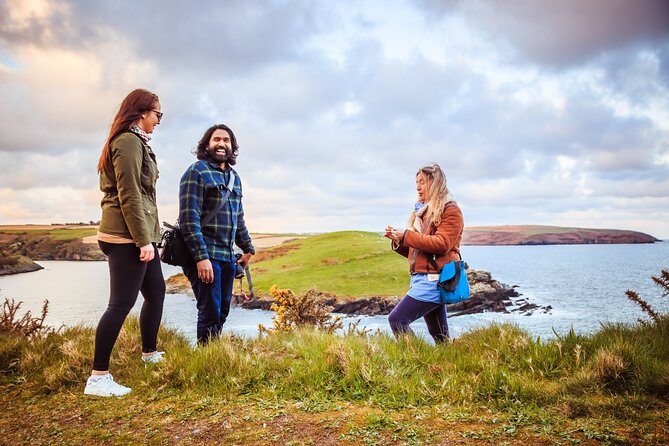
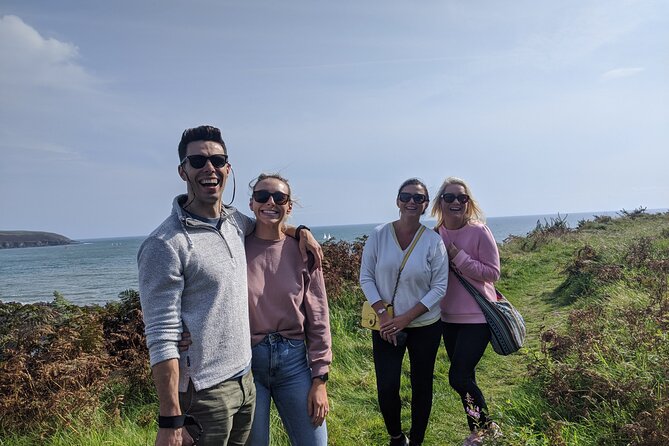
This tour starts at Sandycove Slipway in Cork, at Muir Cheilteach, Sandycove, Ringrone Heights. That matters because slipways and shorelines are where coastal life actually shows itself, not where you just stand and admire it from a distance.
From the beginning, you’re in “observation mode.” You’re not doing a museum thing. You’re outdoors, looking at what grows and clings to the shore, and listening while your guide points out what’s common, what’s interesting, and what people traditionally believed or used.
You also end back at the meeting point. That’s handy for planning your day. You’re not suddenly stranded in the countryside with no clear way to get back into town.
Your guide is a marine biologist, and it shows in the way she teaches
A big reason this experience gets strong praise is the guide background. You’re learning from a local marine biologist who spent years working with wild seabirds and marine creatures in New Zealand and Canada, then returned home to Ireland in 2014.
That combination matters. You get both the biology and the human side of the coast. The tour isn’t just naming species. It’s explaining how coastal communities noticed patterns, built traditions, and passed stories along, including medicinal angles and beauty uses.
And because this is a private tour for just your group, you’re more likely to get answers in plain language. If you’re the type who likes details, you’ll get them. If you just want to understand what you’re seeing and why it mattered, you can keep it simple and still feel fully included.
Also keeping time in Cork


What you’ll forage: seaweeds, shellfish, and wild plants on the shore
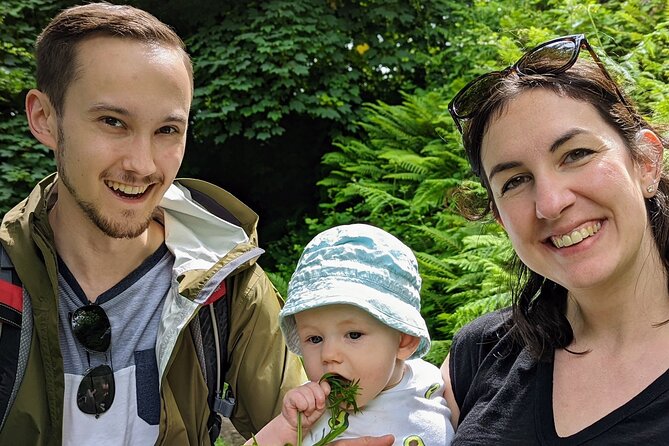
The tour is built around identifying wild seaweeds, shellfish, and wild coastal plants. Your guide walks you through a selection you can see in the area, then connects each one to practical use.
Here’s what that means for you in real terms:
You’ll learn how to spot the things in front of you. Not everyone understands the shore at first glance. Seaweed and coastal plants can look like “just stuff on rocks” until someone shows you the shapes, textures, and patterns to notice.
You’ll learn what people use them for. The tour highlights beauty, food, and medicinal purposes. That’s useful even if you never plan to forage yourself. It helps you read the coastline like a living pantry and pharmacy, based on local knowledge rather than internet guesswork.
You’ll also hear the coastal “why.” Some plants and algae show up because of waves, tides, and the sort of marine conditions that keep them thriving. The guide’s marine biology background helps connect the dots between what you’re seeing and how the coastal ecosystem works.
One consideration: this is learning and identification, not a guarantee that every item is for eating in every situation. You should treat it as education and tradition, and follow your guide’s instructions for what’s appropriate.
Coastal folklore and medicinal myths, told with real-world context
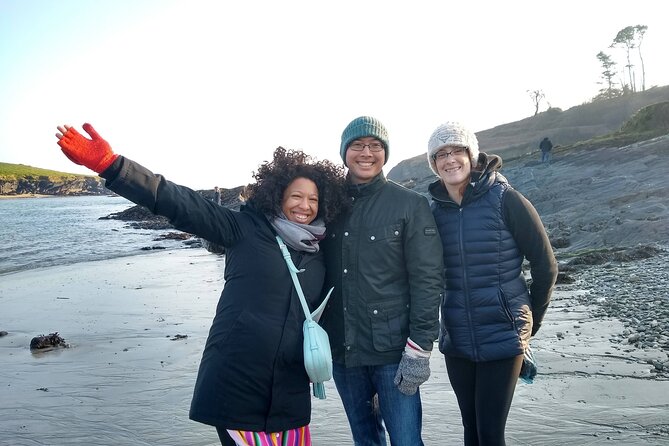
The tour doesn’t just do science. It also does story. You’ll explore myth, mystery, and medicinal aspects of the coast and the beings that live there.
That folklore angle is one of the most memorable parts because it changes your perspective. Instead of the coast being scenery, it becomes a place with meaning. You start to notice how local legends often point to the same practical themes you’re learning: what shows up when, what people relied on, and how communities made sense of unfamiliar natural medicine before modern explanations.
And the guide brings it down to earth. The focus stays on uses: beauty, food, medicinal purposes. Even if a legend is poetic, the takeaway can still be practical, like understanding why certain coastal ingredients were valued.
If you’re the type who loves history but hates long lectures, this is a good balance. Stories move alongside the shoreline walk, so you’re not stuck in one spot trying to visualize a legend without seeing the natural clues.
Next tune called in Cork:
- Ring of Kerry Day Tour from Cork: Including Killarney National Park
★ 4.5 · 663 reviews - Cobh (Cork) to Blarney Castle & Kinsale – Shore Excursion
★ 5.0 · 504 reviews - Shore Excursion From Cork: Including Blarney Castle and Kinsale
★ 4.5 · 470 reviews - Cork: Jameson Irish Whiskey & Midleton Distillery Experience
★ 4.8 · 442 reviews
The pace, the tides, and what to expect during the coastal walk
This experience is about 1 hour 45 minutes (the walk portion is roughly 1 hour 40 minutes). That’s a sweet spot. Long enough to feel like you actually learned the coast, short enough to fit into a day trip or a half-day plan around Cork.
You’ll be walking along the coastline with the guide. The terrain near bays and shorelines can be uneven, and you may find yourself at different spots depending on tide and where plants are visible. One review note that’s worth considering in planning: when the tide is out, you get better access to what’s on the sand and along the edges. So if your schedule allows flexibility, going on a day with favorable conditions can make the shoreline view richer.
You’re also likely to get a gentle change in scenery as the tour moves from the immediate shore area up toward viewpoints. That shift is good because it breaks the “close-up only” feeling. You can look out over the bay, then go back to close observation with a fresh frame of mind.
The views are part of the payoff. When you’re learning seaweed and plants, you’ll look down a lot. When you’re told to look up, it helps everything click. You start connecting the ecosystem and the folklore to the actual geography of the coast.
Price and value: is $60.01 per person worth it?
At $60.01 per person, this isn’t a big money splurge. It’s also not a generic walking tour. You’re paying for three things you don’t get from self-guided browsing:
1) Expert identification help for seaweeds, shellfish, and wild plants
2) Local storytelling that connects the coastline to how people used it
3) A format that’s short, focused, and ends where you started
For value, ask yourself: do I want to learn the coast from a trained guide, or do I just want a pleasant stroll? If you want the learning, the guide background is the selling point.
There’s also a practical win: the experience uses a mobile ticket, and the listed admission ticket is free for the core activity. Combine that with a private group setup, and you get more attention per minute than you’d usually get in a large group tour.
One more value detail: there’s no included private transportation. If you’re relying on taxis or public transport, factor that into your total day cost. If you’re already close to Sandycove, you’ll feel the savings more clearly.
Who should book this coastal foraging and folklore tour
This is a great pick if you want a hands-on, story-driven way to understand the coast. It suits you if:
You like nature walks but also want explanations that go beyond pretty scenery.
You’re curious about how coastal communities used sea plants and what myths said about the shoreline.
You travel with questions, and you prefer a private or small-group vibe where you can slow down.
It also makes sense if you’re traveling with family, as the experience states most travelers can participate and includes service animals allowed. Still, because you’ll be walking on a coastal path, be realistic about your group’s comfort level with outdoors movement.
If you’re not into folklore or you only want food tasting, this might feel more “learning first” than “eating first.” But if you like the why behind what’s edible and useful, you’ll likely enjoy the balance.
A simple practical checklist for a smooth shoreline experience
Since this is a coastal walk and the experience requires good weather, plan around comfort and visibility. Here are the practical items I’d think about before you go:
Bring a layer. Coastal air can feel cooler near the water, even when inland feels warm.
Wear footwear you trust on uneven ground.
Arrive a few minutes early at Sandycove Slipway so you don’t feel rushed before the walk starts.
Check the weather before you commit, because poor conditions can trigger a reschedule or full refund.
And yes, expect to spend time looking closely at seaweed and plants. If you can, bring the kind of curiosity that’s okay with getting a little muddy, even if you’re not doing any hardcore foraging.
Should you book this foraging and folklore walk?
I’d book it if you want a short, high-impact experience that makes the coast feel understandable and alive. The marine biologist guidance is the anchor, and the folklore layer keeps it from becoming a science lesson that forgets the human side.
You should think twice if weather makes or breaks your comfort level, or if you dislike walking outdoors on a coastline. Also consider your logistics, because private transportation isn’t included.
If you’re in Cork and want a memorable way to connect with the local shoreline, this is the kind of tour that turns a bay from background noise into a story you can retell.
FAQ
What is the meeting point for the Coastal Foraging and Folklore Tour?
The tour starts at Sandycove Slipway, Muir Cheilteach, Sandycove, Ringrone Heights, Co. Cork, Ireland. It also ends back at the same meeting point.
How long is the tour?
The duration is about 1 hour 45 minutes (approximately).
How much does it cost?
The price is $60.01 per person.
What language is the tour offered in?
The tour is offered in English.
Is transportation included?
No. Private transportation is not included.
When will I receive confirmation after booking?
Confirmation is received within 48 hours of booking, subject to availability.
Is this a private tour?
Yes. It is a private tour or activity, and only your group will participate.
FAQ
Is the tour canceled if weather is bad?
The experience requires good weather. If it is canceled due to poor weather, you will be offered a different date or a full refund.
Can I get a full refund if I change my plans?
Free cancellation is available. You must cancel at least 24 hours in advance for a full refund. If you cancel less than 24 hours before the start time, the amount paid is not refunded.
Are service animals allowed?
Yes, service animals are allowed.
Does it run every day?
The listed opening hours are Monday to Tuesday, 10:00 AM to 5:00 PM.
Is admission included?
The listed admission ticket for the activity is free.
Can most travelers participate?
Yes, most travelers can participate.
What if the minimum number of travelers is not met?
If the experience is canceled because the minimum number isn’t met, you’ll be offered a different date or a full refund.
Latest to join the session in Cork





Cork Tours & Experiences, compared.

Cliffs of Moher and More: Full-Day Tour from Cork
Read our review →
Cork Midleton DistilleryJameson Experience & Whiskey Tasting
Read our review →
Ring of Kerry Day Tour from Cork: Including Killarney National Park
Read our review →
Jameson Irish Whiskey & Midleton Distillery Experience
Read our review →
County Cork Highlights Tour with Entrance Tickets
Read our review →
Cliffs of Moher Day Tour from Cork: Including Wild Atlantic Way
Read our review →
Browse the lists this tour appears in