
Reviewed · HISTORICAL TOURS
Cork: Guided Historical Walking Tour
Cork hides a river under your feet. This guided stroll connects Cork’s architecture to the city’s maritime trading past, with a route that tracks the water flowing beneath the street. Expect river history and maritime trade stories that make the center feel like one big timeline.
What I really liked was the way the guide turns facts into vivid local character, with standout storytelling from Cork lifers such as Noel and Mary O’Sullivan. I also loved how you hit the key landmarks in a short time window, including the Shandon church silhouette with its red and white bell tower look.
One catch: it runs rain or shine, so plan for wet sidewalks and bring weather gear.
In This Review
- Key things that make this Cork walk worth your time
- A one-hour Cork loop that makes the city map click
- Starting at Cork Tourist Information Centre, then aiming for the curved main street
- Cork Opera House to Shandon church: skyline landmarks with trade-era meaning
- Carey’s Lane and the Hugenot cemetery: a less predictable Cork chapter
- Coal Quay, Cornmarket Street, and Grand Parade: the port city in street form
- Nano Nagle footbridge and St Finbar’s Cathedral: the city’s moral and spiritual landmarks
- South Gate Bridge, Elizabeth Fort, and the riverfront business quarter
- Ending at Princes Street and the English Market: your next stop is solved
- Price and value: is 26 USD fair for a 75-minute guided walk?
- Who this tour suits best (and who might want something different)
- Should you book this Cork walking tour?
- FAQ
- Where is the tour meeting point?
- How long is the guided historical walking tour?
- Is this walking tour wheelchair accessible?
- What language is the live guide speaking?
- Are hotel pickup and drop-off included?
- Is food or drinks included in the price?
- Does the tour run in bad weather?
- What should I bring?
- Is there a cancellation option?
Key things that make this Cork walk worth your time
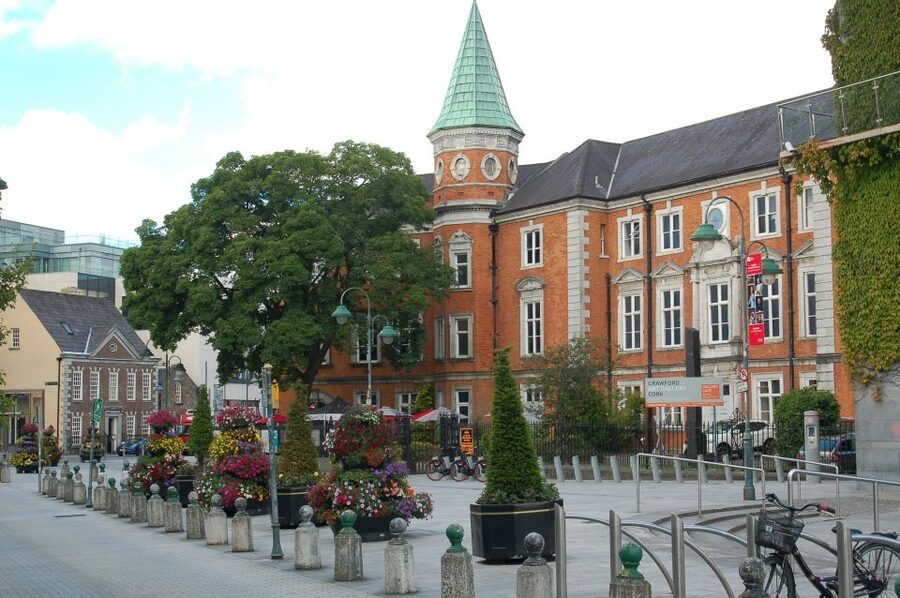
- You follow the river route under the curved main street, so the city layout actually makes sense
- Shandon church visuals (red and white tower look, clock faces) anchor the skyline
- Carey’s Lane and the Hugenot cemetery add a rarely explained chapter of Cork’s connections
- Grand Parade landmarks like Bishop Lucy Park and the Berwick fountain give you quick civic orientation
- The ending at Princes Street and the English Market sets you up for an easy next stop
A one-hour Cork loop that makes the city map click
Cork has a way of looking confusing until someone points at the right clues. This tour does that fast. In about 75 minutes, you walk the city centre with a local guide who links what you see on street level to what was going on behind it, especially the waterways and trade routes.
The big idea is simple: Cork’s streets and buildings are shaped by the river and the movement of goods. So when you pass landmarks, you are not just collecting photos. You’re building a mental model of why these places are where they are and why the city grew.
If you’re new to Cork, this is the kind of walk that helps you plan the rest of your day. You get enough context to choose where to wander on your own after.
Starting at Cork Tourist Information Centre, then aiming for the curved main street
You meet at the Cork Tourist Information Centre, and you’ll want to arrive about 10 minutes early so you don’t feel rushed. From there, you set out on foot through the centre at a pace that fits a one-hour overview.
One of the smartest moves on this route is starting in an area where the street shape tells the story. You follow the curved main street and, crucially, the tour route follows the line of the river beneath it. That means the city stops being abstract. You start to notice how streets bend, where crossings make sense, and why certain buildings ended up as anchors.
This is also where you learn how Cork operated as a transatlantic and European trading hub. The guide frames that trade as a real everyday engine, not just a history footnote. You’ll come away understanding that the “business quarter” wasn’t just offices, it was tied to movement of people, cargo, and ships.
More Guided Walking Tours in Cork


Cork Opera House to Shandon church: skyline landmarks with trade-era meaning
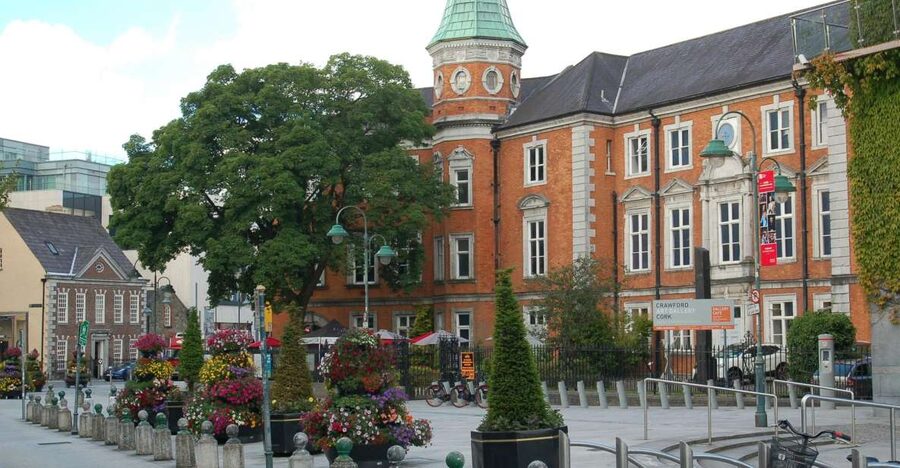
In this central stretch, you see two very different types of landmarks, and that contrast helps the story land.
First, the Cork Opera House gives you a sense of the city’s cultural self-confidence. Even while Cork was tied to ships and commerce, it wasn’t purely practical. People invested in public life and performance.
Then you get the famous Shandon church look across the river, with its distinctive red and white brick bell tower and clock faces. This is a skyline moment that gives you instant orientation. After you’ve seen it, you can often spot it again later in the day, even from far away.
What I like about this stop is how the guide uses the church silhouette to talk about identity. In a trading port, landmarks matter because ships bring outsiders, and locals need shared reference points. Shandon becomes a visual promise that you are in the old Cork core.
Carey’s Lane and the Hugenot cemetery: a less predictable Cork chapter
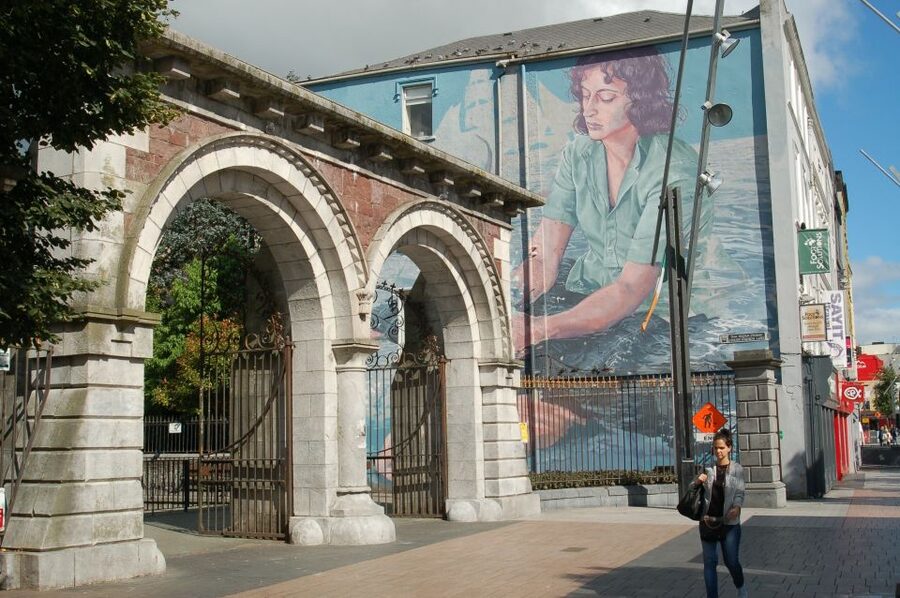
Not every Cork walking tour spends real time on the people behind the city’s trade networks, but this one does. You stroll down Carey’s Lane to visit the Hugenot cemetery.
This stop adds a human layer to the maritime story. Cork’s links to Europe included more than goods. They included communities that arrived with skills, beliefs, and survival stories shaped by what was happening elsewhere.
Even if cemeteries are not your top interest, this one works because the guide ties it back to Cork’s role as a meeting point. You’re not just looking at stones. You’re learning why certain communities found their way here and how Cork’s identity was shaped by arrival and reinvention.
More Irish streets taken slow:
- Cobh: Guided Historic Walking Tour
★ 4.6 · 32 reviews - Meet and Eat Dublin: Cork Food Walking Tour
★ 5.0 · 25 reviews - Highlights of Cork: A Self-Guided Walking Tour
★ 4.5 · 21 reviews - Cork Private Walking Tour With A Professional Guide
★ 5.0 · 18 reviews
Coal Quay, Cornmarket Street, and Grand Parade: the port city in street form
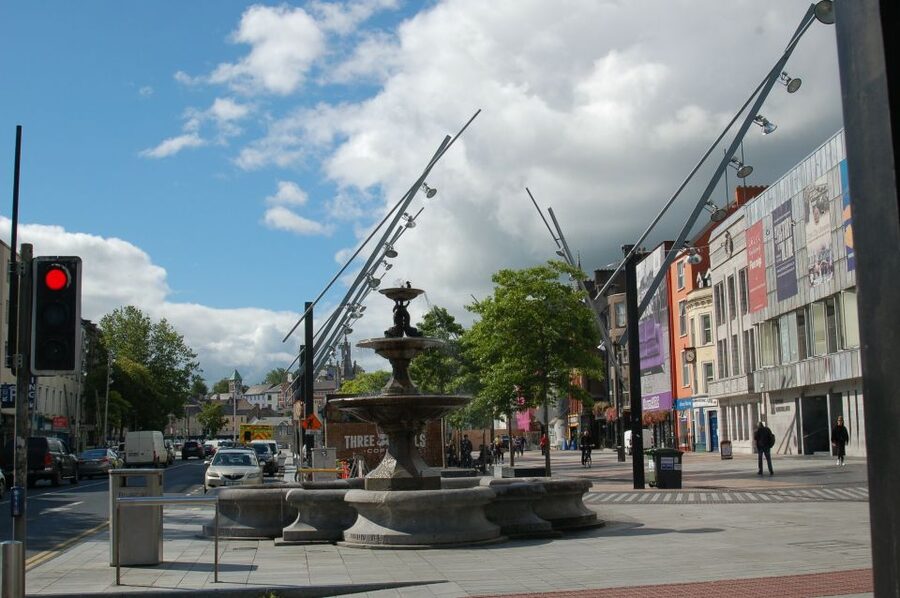
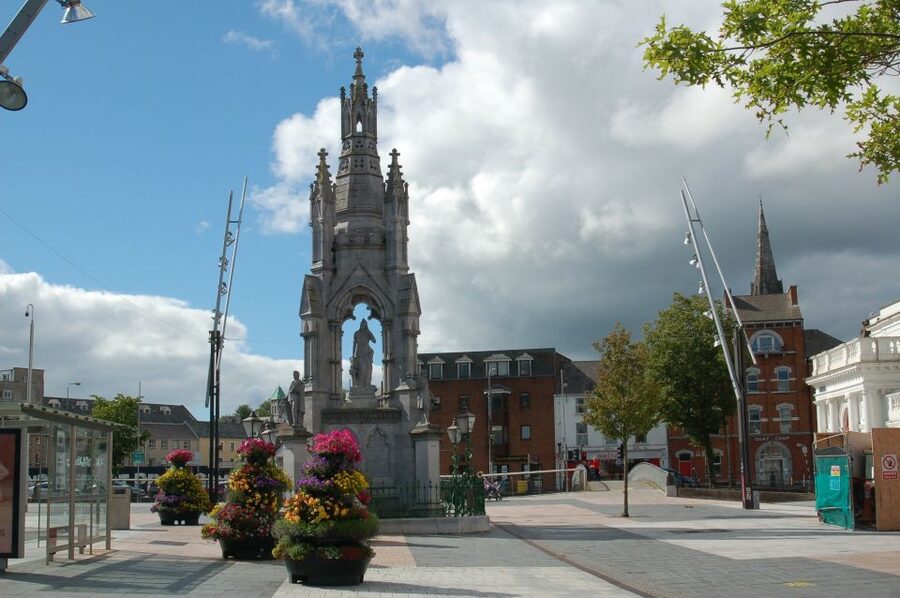
Next comes a string of streets that feel like the backbone of old Cork. You pass through Coal Quay and Cornmarket Street, then head to Grand Parade, which is described as one of the wider streets in Cork.
These stops matter because they show where commerce happened and where people gathered. A trading hub needs a daily rhythm: buying, selling, loading, unloading, and then rebuilding life around that flow.
On Grand Parade, you see several landmarks in a tight cluster:
- Bishop Lucy Park
- The Berwick fountain
- The National memorial
This combination is useful for orientation. It tells you where civic space sits in the urban grid, so you can reconnect the route later when you’re sightseeing on your own.
Also, this stretch tends to be where you start feeling the city’s scale. Cork can feel compact in map terms, but once you’re walking it, you notice sightlines, open space, and where the big routes pull you onward.
Nano Nagle footbridge and St Finbar’s Cathedral: the city’s moral and spiritual landmarks
One of the tour’s best pacing choices is the way it shifts from trade mechanics to the people who changed lives. You learn about Nano Nagle and her extensive humanitarian work, especially around bringing education to poorer classes.
This is not presented as a distant lecture. The guide connects her work to place, and you also walk near a footbridge named in her honour. That naming detail matters because it shows how Cork remembers action, not just events.
Then you move into St Finbar’s Cathedral, a major spiritual and architectural landmark. The tour frames it as part of the city’s development story, tied to how Cork formed community life while commerce kept it outward-facing.
If you like tours that balance “why the city looks like this” with “who mattered,” this section is a big win. It gives you a wider view of Cork’s character beyond shipping and stonework.
South Gate Bridge, Elizabeth Fort, and the riverfront business quarter
After the cathedral area, you cross into defensive and river-adjacent territory.
You’ll see the South Gate Bridge and Elizabeth Fort, and the guide uses these to explain how Cork functioned as a port that needed protection and control. Bridges and forts are practical structures. They tell you where movement was expected and where threats were considered.
Then you finish with the boathouse entrances in the leading business quarter known as South Mall. Seeing remnants of former entrances is one of those moments where the story gets physical. You can literally point at what used to connect land routes to boats and river traffic.
This is where the tour’s theme lands hardest: Cork is not just a set of monuments. It’s a city whose infrastructure is built around water.
Ending at Princes Street and the English Market: your next stop is solved
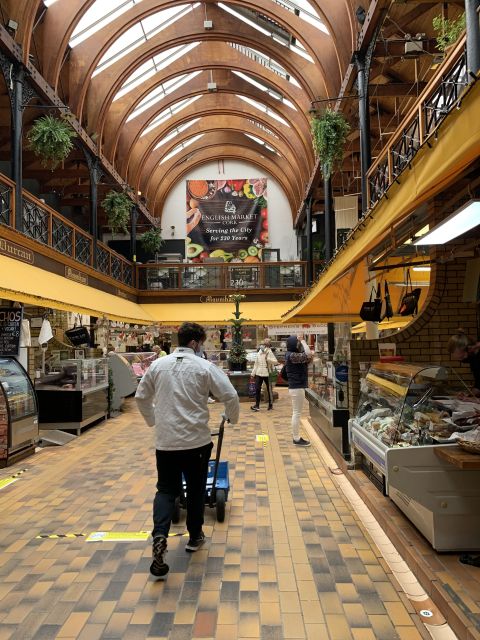
The tour ends back at the meeting point area, finishing at Princes Street, at the main entrance to the English Market.
This is smart for two reasons. First, you’ve just had a concentrated history walk, so a food-and-market break is a natural follow-up. Second, the English Market is a lively landmark in its own right. You can keep the momentum going without thinking too hard about where to go next.
Even if you don’t plan to eat right away, it’s an easy place to linger, people-watch, and refuel before you continue exploring Cork at your own pace.
Price and value: is 26 USD fair for a 75-minute guided walk?
At about $26 per person for a 75-minute guided city walk, this is priced for a high-value overview. You’re paying for someone to connect the dots across multiple stops, which is what makes the time feel productive instead of wandering.
A good sign here is the consistent praise for the guides’ storytelling and humor, with people praising guides like Noel and Jarrod for mixing personal local perspective with historical facts. The practical benefit for you is that you’ll know what to look for later, and you’ll likely waste less time second-guessing your route.
Also, the tour is structured as a tight loop that hits major monuments plus specific stops like the Hugenot cemetery and the boathouse entrance remnants. That mix gives you variety without turning it into a half-day commitment.
If you’re the type who prefers short, focused activities that help you plan the rest of the day, this is a strong value.
Who this tour suits best (and who might want something different)
This is a great fit if:
- You want a clear introduction to Cork’s city centre layout in a short time
- You like your history tied to visible places, not just dates
- You want help choosing what to see next, especially around the river and core monuments
It may not be ideal if:
- You’re looking for a long, slow walk with deep museum time
- You hate rain walking, since it runs rain or shine and you’ll still be outside most of the tour
- You prefer tours that include lots of extra paid attractions, since food and drinks are not included
Should you book this Cork walking tour?
I’d book it if your goal is to get your bearings fast and understand why Cork feels the way it does, especially the river underfoot and the maritime trade connections. For $26 and about 75 minutes, you get a well-paced route that covers the skyline, the river story, and the key monuments, ending where it makes sense to continue exploring.
If you are on a tight schedule or you want one guided overview before branching out solo, this is one of the easiest ways to start strong. Bring weather-appropriate clothing, arrive a few minutes early, and you’ll leave with a clearer picture of Cork, not just a handful of photos.
FAQ
Where is the tour meeting point?
You start at the Cork Tourist Information Centre. Plan to arrive about 10 minutes before the activity begins.
How long is the guided historical walking tour?
The tour duration is listed as 75 minutes. Starting times vary, so check availability.
Is this walking tour wheelchair accessible?
Yes, this activity is wheelchair accessible.
What language is the live guide speaking?
The tour has a live guide in English.
Are hotel pickup and drop-off included?
No. Hotel pickup and drop-off are not included.
Is food or drinks included in the price?
No. Food and drinks are not included.
Does the tour run in bad weather?
Yes. The tour takes place rain or shine.
What should I bring?
Bring weather-appropriate clothing, since you will be walking outdoors.
Is there a cancellation option?
There is free cancellation up to 24 hours in advance for a full refund, and the tour information also notes it is non-refundable.
Rebellions Retold
- Historic Cork Delicious Donut Adventure by Underground Donut Tour
★ 5.0 · 232 reviews - The Queenstown Story @ Cobh Heritage Centre , Great Stories of Emigration.
★ 4.5 · 181 reviews - Visit 16 Sites Key Historical Sites And Experience Cobh Rebel Tours
★ 5.0 · 167 reviews - Cobh: 3-Hour Cultural Tour Plus
★ 4.9 · 31 reviews
Latest to join the session in Cork



Historical Tours, compared.

Dublin Historical Centre Food Tour with 8 Food Tastings & Drinks
Read our review →
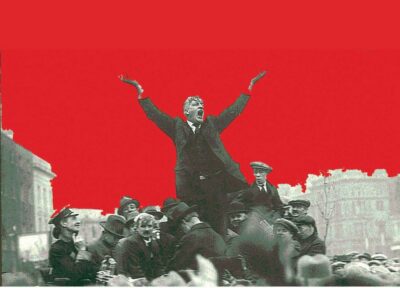
Historical 2-Hour Guided Walking Tour of Dublin
Read our review →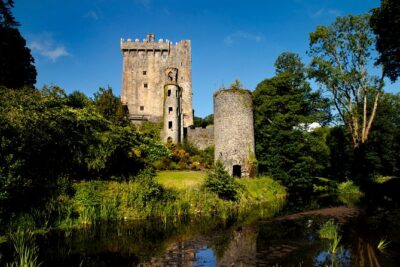
Dublin to Cork, Blarney Castle & Cóbh Heritage Centre by train
Read our review →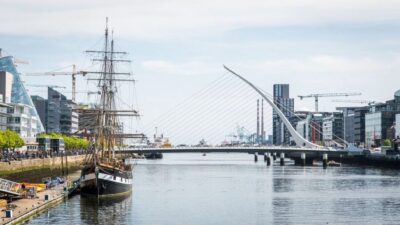
Jeanie Johnston Tall Ship Irish Famine History Tour
Read our review →

Deliciously Dublin: The Artisan Donut Walking & History Tour
Read our review →Browse the lists this tour appears in