
Reviewed · TICKETS
Fota House, Arboretum & Gardens Admission Ticket
A Victorian house, plus rare plants. Fota House in Cork is a pre-booked guided visit that mixes Regency-era interiors, top-notch gardens, and a stop devoted to Ireland’s celebrated landscape painting collection.
I love how the house story is told like real life, from the Smith-Barry family days to how restorers keep the place going. You’ll also like the arboretum, where exotic southern hemisphere plants turn the grounds into a living photo album.
Plan for one catch: parking costs extra (the site fee is paid on exit), and some rooms may be closed if restoration is underway.
In This Review
- Key things to know before you go
- Fota House in Cork: Regency interiors meet a sprawling estate
- The guided house tour: family life, staff stories, and restoration in action
- Neoclassical rooms and period storytelling you can actually follow
- Arboretum and gardens: exotic southern hemisphere plants in Irish weather
- Formal and working gardens: what to look for on your walk
- Landscape paintings at Fota: why this stop adds real value
- Timing and tour length: how to plan your day around it
- Ticket price and what it really buys you
- Small group charm: why the tour feels personal
- A practical way to enjoy Fota House in 90 minutes
- Should you book this Fota House guided admission ticket?
- FAQ
- How long is the guided tour at Fota House?
- What does the ticket include?
- Is parking included with the ticket?
- Are there morning and afternoon tour options?
- Do I need to bring a printed ticket?
- Is this tour limited in size, and can children join?
- Can I cancel and get a refund?
Key things to know before you go

- Small group, up to 10 people, which makes the tour feel personal instead of rushed
- Local guide included, with details about the family, staff life, and restoration
- Fota House dates to 1820, with neoclassical interiors in a Regency-era setting
- 115 acres of gardens and arboretum, including rare southern hemisphere plantings
- Landscape paintings are part of the visit, not just a quick hallway glance
- €3 on-site parking fee is not included, so budget a little extra if you drive
Fota House in Cork: Regency interiors meet a sprawling estate
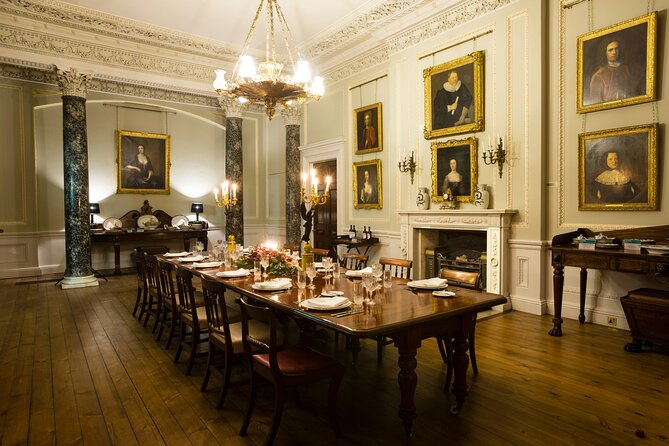
Fota House sits near Cork, in Carrigtohill, Fota, on an estate that runs 115 acres around the house itself. Even if you only have a short visit, you can feel the difference between a house you pass by and a house that has a real working environment around it.
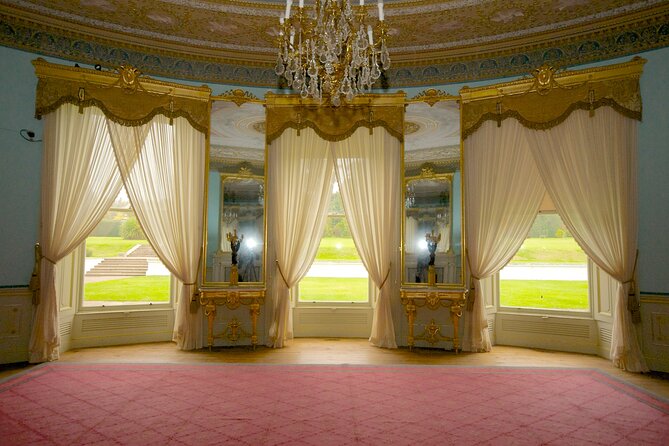
The architecture is a big part of the appeal. The main house dates from 1820, and it’s known as one of Ireland’s finest examples of Regency period architecture with neoclassical interiors. I like that you are not just looking at rooms. You are being taught how the place would have functioned day to day.
Also worth noting: the house and estate are now an Irish Heritage Trust property. That matters because it frames the visit as more than sightseeing. You are seeing an important historic home with ongoing care, not a museum frozen in time.
The guided house tour: family life, staff stories, and restoration in action
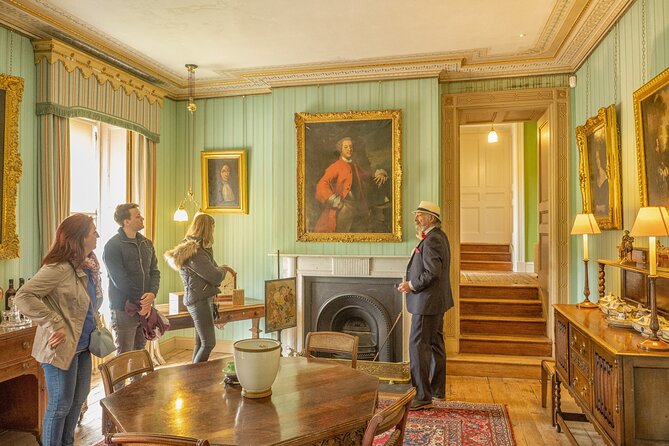
This is a guided tour, and that’s where Fota House earns its high marks. A local guide brings the Smith-Barry household story to life, including how the family owned the estate for 155 years. That long stretch gives you a sense of continuity, which makes the house feel less like a postcard and more like a home with seasons of change.
Inside, the focus is on the neoclassical interiors and the way rooms connect. You’ll hear about how furniture and finishes were restored, which is both interesting and useful. Restoration talk is not everyone’s favorite topic, but here it helps you understand why certain areas may look different from what you expected.
One detail I’d specifically flag: guides here often add personal context from the past. For example, one guide named Mary shared that her grandfather was head gardener here generations ago. That kind of anecdote makes the history feel grounded, and it also explains why the garden work gets such serious attention.
And yes, you might run into a small reality check. Some parts of the house can be under construction, so not everything may be open on your tour day. The good news is that the tour still gives you the core experience and a sense of what the restoration work is doing.
Also keeping time in Cork



Neoclassical rooms and period storytelling you can actually follow
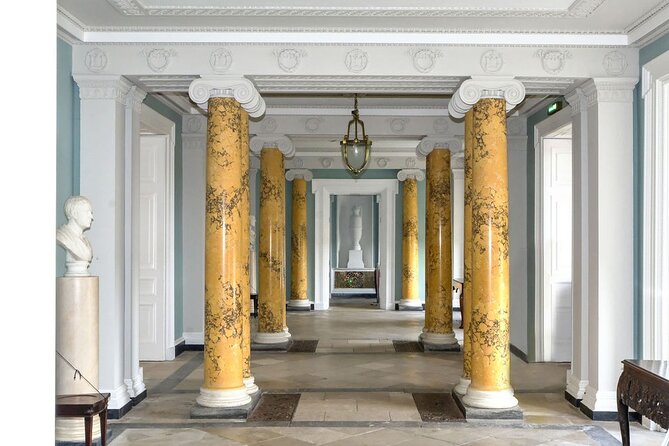
There’s a pacing advantage to this tour. The group stays small, and the guide can slow down where it matters. When the stories land on staff life, daily routines, and how people moved through the house, you get a clearer picture than you would from a self-guided walk.
You’ll also notice that some guides appear in period costume on certain tours. One review described a tour with Rose and Barry in period dress, and the effect is exactly what you hope for. It helps you imagine the hallways with real movement and real jobs happening, not just tourists standing still for photos.
I recommend you take the guide seriously for the first half of the house. Ask one simple question if the moment fits. Since the group size is capped at 10, you’re less likely to get brushed aside. That small-group setup is one of the best reasons to choose a guided ticket here.
Arboretum and gardens: exotic southern hemisphere plants in Irish weather
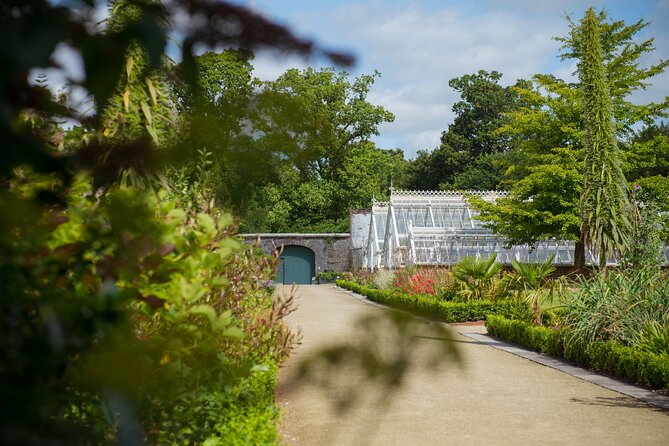
The arboretum is one of the star attractions of Fota House, and it’s not just “pretty plants.” It is described as a globally renowned collection, built around rare and exotic plantings from the southern hemisphere. That means you are likely to see trees and shrubs that feel out of place in Ireland, which is precisely why it works.
Even if you do not consider yourself a “plant person,” this part of the visit can change your day. The gardens are arranged so you can notice shifts in color, scent, and texture as the seasons move along. That gives you a reason to look beyond one standout flower or one dramatic tree.
I also like that the gardens are presented as living work. Reviews mention landscapers and gardeners actively working to keep things looking the way they do. When you walk by an area that is clearly being tended, the whole estate feels more real. You are not just consuming beauty. You’re seeing maintenance as part of the experience.
Next tune called in Cork:
- Ring of Kerry Day Tour from Cork: Including Killarney National Park
★ 4.5 · 663 reviews - Cobh (Cork) to Blarney Castle & Kinsale – Shore Excursion
★ 5.0 · 504 reviews - Shore Excursion From Cork: Including Blarney Castle and Kinsale
★ 4.5 · 470 reviews - Cork: Jameson Irish Whiskey & Midleton Distillery Experience
★ 4.8 · 442 reviews
Formal and working gardens: what to look for on your walk
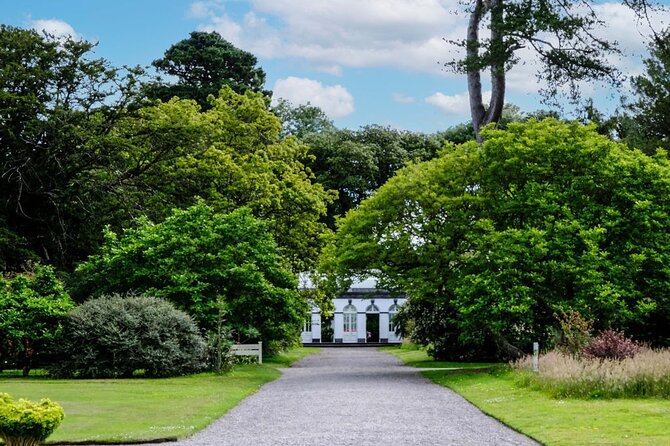
Because the property is large, it helps to have a simple mental checklist. I suggest you focus on three things as you move through the gardens:
- Texture: look for differences in leaves, bark, and plant structure.
- Scent: if the air is calm, a garden will tell you more than a photo ever can.
- Color changes: even in a single walk, you can spot transitions by planting style.
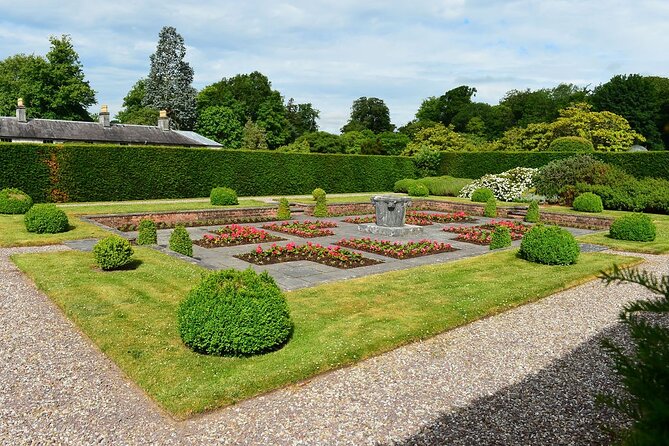
The gardens are described as both formal and working. That means you’ll likely see places designed for symmetry and visual structure, and other areas that feel more purposeful, like sections that exist to be grown and maintained.
This is also where you’ll get value even if you only have a short time outdoors. The estate gives you options, so you can slow down near what grabs you and skip the corners that do not.
Landscape paintings at Fota: why this stop adds real value
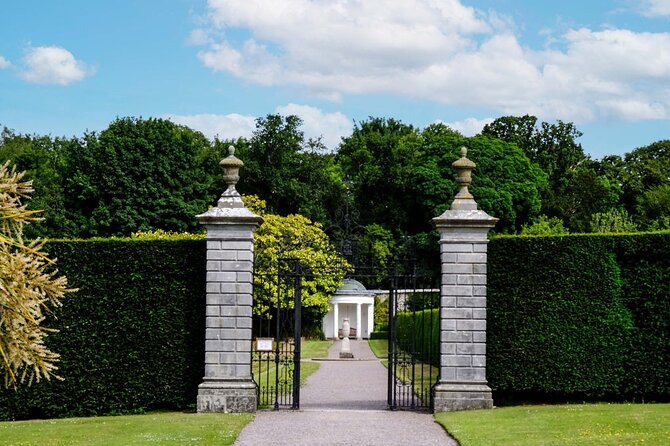
Fota House does not treat art as a “bonus.” The visit includes one of Ireland’s most acclaimed collections of landscape painting. That changes the vibe. You get the feel of the house and grounds, and then you shift to a different kind of landscape, one made through paint rather than growing seasons.
If you enjoy art museums, this will feel like the best kind of add-on. It does not require you to give up time outdoors, and it gives you a break from walking. If you do not usually seek out painting collections, the house setting helps. The art fits the story of land, home, and taste, rather than feeling like an unrelated room you are just supposed to tolerate.
Timing and tour length: how to plan your day around it
The ticket describes a duration of about 1 to 2 hours, and the guided house component is listed as about 1 hour. In practice, your day plan should assume you will spend a meaningful chunk of time inside and then move around the grounds before you’re ready to leave.
You can choose from morning and afternoon guided tours, which is handy. If you’re traveling with a schedule, mornings can feel calmer for photo stops. Afternoons can work well if you want softer light and you are already out exploring Cork and surrounds.
Group size also matters for planning. With a maximum of 10 travelers, the tour is easy to follow, but it also means you should arrive on time and be ready to start. If you’re late, you risk losing the flow. This is one of those places where the guide’s pacing is part of the product.
Ticket price and what it really buys you
At $15.69 per person, this ticket is priced like a solid local-visitor experience, not a luxury add-on. The key value is that it includes admission and a local guide. You’re not paying just for entry into the grounds. You’re paying for interpretation: the family story, how the house is restored, and what the arboretum represents.
One extra cost to remember: it does not include the €3 site parking fee. That fee is payable on exit from the car park by card or cash. If you’re driving, I’d plan on it right away so you do not get surprised at the end of the visit.
If you’re deciding whether the guided element is worth it, consider what you want from your time. If you enjoy history told with specific details, the guide is the difference between a quick walk and a meaningful visit. If you only want to stroll, you might choose a self-directed garden visit elsewhere. But here, the guided story is genuinely part of the appeal.
Small group charm: why the tour feels personal
This is capped at a maximum of 10 travelers, which is the sweet spot for a house tour. You get enough personal attention that questions feel welcome, but the group is still small enough that you won’t spend your whole time waiting.
It also helps with variety of interests. In a small group, a guide can adjust. If someone is more focused on the paintings, the guide can point you toward what to notice. If someone is more interested in the restoration, the guide can slow down and explain materials and decisions.
That’s why the experience is consistently rated so highly. The best tours make you feel oriented. You leave knowing what you saw, why it matters, and what to pay attention to if you return someday.
A practical way to enjoy Fota House in 90 minutes
If you want an easy game plan, here’s how I’d approach it:
- Start with the house sections that match your curiosity. If you like interiors and design, lean into the neoclassical rooms and restoration explanations.
- Keep your phone handy, but not glued to it. The gardens reward attention to small shifts, and you’ll want to look with your eyes first.
- In the arboretum, pause at areas that look different from typical Irish plantings. That’s where the rare southern hemisphere plant collection will surprise you most.
- If you need a break, there is mention of a small cafe on-site, with window service for coffees and drinks.
You don’t need to cram every path. This estate is large enough that the point is to enjoy the flow.
Should you book this Fota House guided admission ticket?
If you want a short, high-value visit that combines a major historic house, guided storytelling, and gardens you can’t easily replicate elsewhere, I’d book it. The small group size and the local guide add real substance, not just ticket access.
I would especially recommend it if you’re:
- interested in how historic estates are restored and kept alive
- the kind of traveler who enjoys gardens beyond just one pretty highlight
- someone who likes to connect art, architecture, and the idea of land and home
Skip it only if you truly hate guided tours or you’re determined to spend your entire visit outdoors with minimal indoor time. And do budget for the €3 parking fee if you’re arriving by car, since that is the most common “surprise” cost.
FAQ
How long is the guided tour at Fota House?
The experience is listed as about 1 to 2 hours. The guided house portion is shown as around 1 hour.
What does the ticket include?
The ticket includes admission and a local guide. A mobile ticket is provided.
Is parking included with the ticket?
No. There is a €3 site parking fee, paid on exit from the car park by card or cash.
Are there morning and afternoon tour options?
Yes. You can choose from morning and afternoon guided tours.
Do I need to bring a printed ticket?
No. This uses a mobile ticket.
Is this tour limited in size, and can children join?
The tour has a maximum of 10 travelers. Children must be accompanied by an adult, and most travelers can participate.
Can I cancel and get a refund?
Yes. You can cancel up to 24 hours in advance for a full refund. If you cancel less than 24 hours before the start time, the amount paid is not refunded.
Latest to join the session in Cork





Tickets, compared.


St Patrick’s Cathedral: Self-Guided Cathedral Admission
Read our review →
Fast-Track Book of Kells Ticket & Dublin Castle Tour
Read our review →
The Dublin Pass with Tickets to 40+ Attractions
Read our review →

Christ Church Cathedral Entrance Ticket & Self-Guided Tour
Read our review →
Smithwick’s Experience Kilkenny Entrance Ticket
Read our review →Browse the lists this tour appears in