
Reviewed · CITY TOURS
Private Walking Tour of Limerick City
Limerick history hits you fast. On this private 2-hour walking tour, you move through the city’s storybook layers, from the Shannon and medieval walls to landmarks like King John’s Castle, all guided by Joe, a Limerick native. I love the private pacing with a group of up to 7, and I love how the tour ties local places to major events like the Crimean War and the American Civil War.
You also get those small, memorable details that make the city feel lived in, like a stop tied to Angela’s Ashes and spotting the Dolores O’Riordan mural. The walk typically covers about 3 to 4 miles, and the route is pretty flat, so it is usually manageable.
The main drawback to plan around is that the experience depends on good weather, since you are outside for the full outing. Bring layers and solid shoes, even if the forecast looks friendly.
In This Review
- Key Highlights You Should Know Before You Go
- Private Pacing in Limerick: Worth It for Up to 7 People
- Starting at Limerick City Gallery of Art, Pery Square
- War Stories That Explain the City: Crimean and American Civil War Links
- Literature and Music in the Streets: Angela’s Ashes Pub and Dolores O’Riordan
- Maritime Limerick by the River: Traditions, Monuments, and an Old Bridge
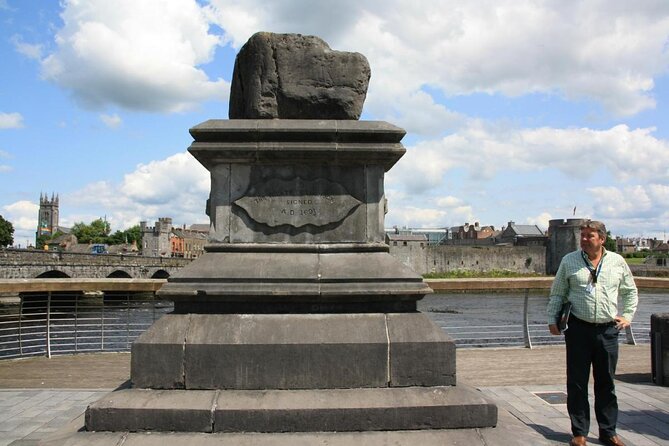
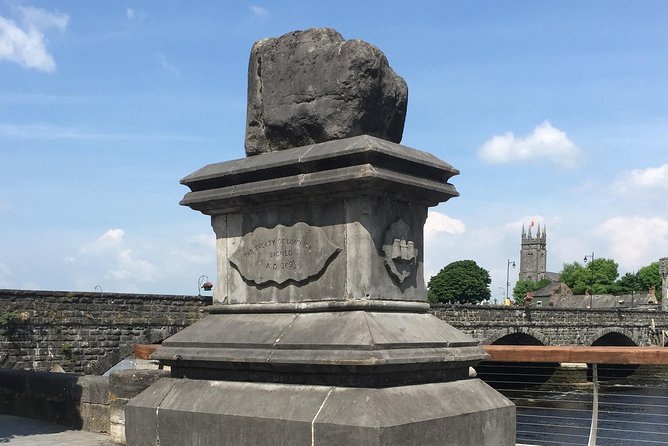
- Siege of Limerick and World Connections, Then the Shannon Crossing
- King John’s Castle, Bard of Thomond, and a Ghost-Story Mood
- Old Exchange Wall, Oldest Building, Abbey River Traditions
- Irishtown, Medieval Walls, and Limerick’s Tall Church Spire
- Weekend Markets and a Victorian Rail Stop for the Modern City Feel
- Tait Clock, Crimean War Echoes, and the WWI Monument Finale
- Should You Book This Private Limerick Walking Tour?
- FAQ
- How long is the private walking tour of Limerick City?
- What is the group size for this private tour?
- Is the tour available in English?
- What is included in the price?
- Are there any entrances included or required?
- Where do we meet, and does the tour end nearby?
- What if the weather is bad?
Key Highlights You Should Know Before You Go
- Private group up to 7 means you can slow down, ask questions, and hear stories at your own volume
- Joe’s storytelling connects architecture to real human events, including wars and local politics
- Shannon crossing and medieval stops help you understand how Limerick grew from river power
- Literature and music touchpoints, including the Angela’s Ashes pub stop and the Dolores O’Riordan mural
- Plenty of exterior viewing keeps the tour moving without ticket lines
- Glen Tavern refreshment option at the end is a nice chance to keep chatting with your guide
Private Pacing in Limerick: Worth It for Up to 7 People
This tour works because it is private. That sounds basic, but it changes the whole feel of the day. Instead of waiting for a group to catch up, you set the rhythm. If you want to spend extra time on the river, you can. If you’re more curious about the conflict stories, your guide can keep pulling that thread.
The price is listed per group, up to 7 people. That means it can feel like good value if you are traveling with family or friends. For 7 people, the cost comes out to about $49 per person, and you still get an escorted guide for the full route. If you are only two people, it costs more per person, so it is best when you either have a small crew or really want the guide’s attention.
Another value point: this is not a ticket-heavy day. The tour is built around walking and storytelling, and there are no entrances required on this orientation-style outing. That is great if you want to see a lot without adding extra costs or losing time to timed-entry logistics.
One more practical note: your tour ends back at the meeting point, which makes the whole day easier to plan. You are not stuck guessing how to get home after a long walk.
Starting at Limerick City Gallery of Art, Pery Square
You begin at Limerick City Gallery of Art, Carnegie Building, on Pery Square, in the Prior’s-Land area of Limerick (V94 E67F). It is a good choice because you start in a part of town that is easy to reach and easy to orient from. The tour also notes it is near public transportation, so you can usually work it into your day without a big detour.
Once you meet your guide, expect a straightforward setup: you’ll get the route flow, what kind of history you’ll be hearing, and how the stops connect. The tour is designed so you do not just memorize names. You learn the “why” behind the walls, bridges, and monuments you’re seeing.
Also, this is built for moderate physical fitness, not extreme hiking. From the walk length mentioned in feedback (about 3 to 4 miles), you’re in the zone of a solid city stroll, not a long trek. Still, do not wear brand-new shoes. Your feet will do the voting by the end of the tour.
More Private Tours in Limerick


War Stories That Explain the City: Crimean and American Civil War Links
One of the first big themes you’ll hear is how Limerick connects to wars that happened far from Ireland. Your guide begins with the Crimean War and the American Civil War interests linked to Limerick. This is a clever way to start because it forces you to look at everyday landmarks as part of bigger global currents.
Instead of treating war history like a separate subject, you’ll see how those conflicts shaped the city’s identity and how Limerick was connected to the wider world. If you like history that feels relevant instead of locked in a textbook, this part is a strong early payoff.
From there, you pivot into Irish political history with a stop focused on Daniel O’Connell’s links to Limerick. This gives the stories more texture, because it is not only about battles and ships. You also get a sense of leadership, movement, and public influence that shaped what Limerick meant to people at the time.
Practical advice for this section: bring your questions. If you hear a name and want to know how it ties to a building you’re seeing later, ask. A private tour is built for that back-and-forth.
Literature and Music in the Streets: Angela’s Ashes Pub and Dolores O’Riordan
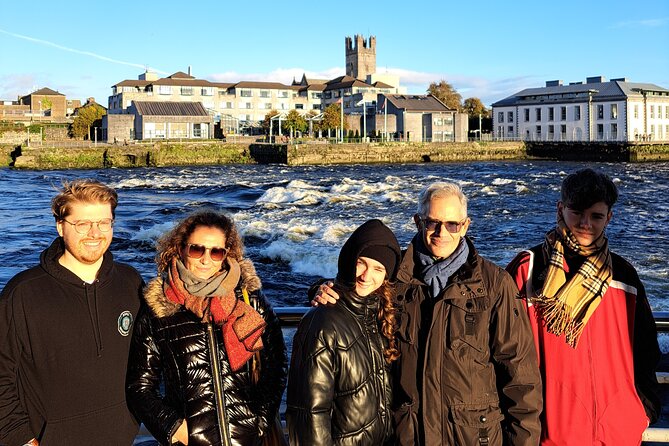
This tour is not only about government and monuments. It also treats culture as a real part of the city.
You’ll stop to view the famous pub connected to Angela’s Ashes. Even if you are not going deep into literary background, the point of this stop is simple: place-based storytelling. A pub is more than a building. It’s a social landmark, and your guide uses it to connect Limerick’s image to the ways people remember the city.
Then you’ll move into music culture with the Dolores O’Riordan mural. This is the kind of stop that makes you slow down and look up. It also shows the tour’s balance: your guide does not treat history as frozen. It brings the story into more modern Limerick identity, without losing the older layers.
If you’re traveling with someone who thinks history tours are too dry, these two moments can help. They make the walk feel human and local, not only ceremonial.
More Irish streets taken slow:
- Angela’s Ashes 1.5hrs Walking Tour
★ 5.0 · 20 reviews - Dublin Highlights and Hidden Gems Guided Walking Tour
★ 5.0 · 6,020 reviews - Dublin: Highlights and Hidden Gems Walking Tour
★ 4.9 · 2,140 reviews - 1916 Rebellion Walking Tour
★ 5.0 · 1,605 reviews
Maritime Limerick by the River: Traditions, Monuments, and an Old Bridge

At a key point you’ll learn about the maritime tradition of Limerick. The tour describes this stop as a chance to see several monuments close to the river and to learn local traditions connected to life along the water.
This is where the city starts to click. Limerick’s story makes more sense when you understand the river economy, the kinds of livelihoods tied to the water, and why certain areas mattered.
You’ll also view an elegant bridge that’s described as similar to those in Paris from the same period. I like this kind of comparison because it gives you a quick visual reference. You’re not just being told that a bridge is important. You’re encouraged to notice design choices and timing, which helps you remember it later.
Possible drawback here: if you are expecting a ticketed museum experience, this part is still mostly outward viewing plus explanation. That’s not bad, but it is good to know. The tour is designed to keep momentum and let you build understanding through conversation.
Siege of Limerick and World Connections, Then the Shannon Crossing
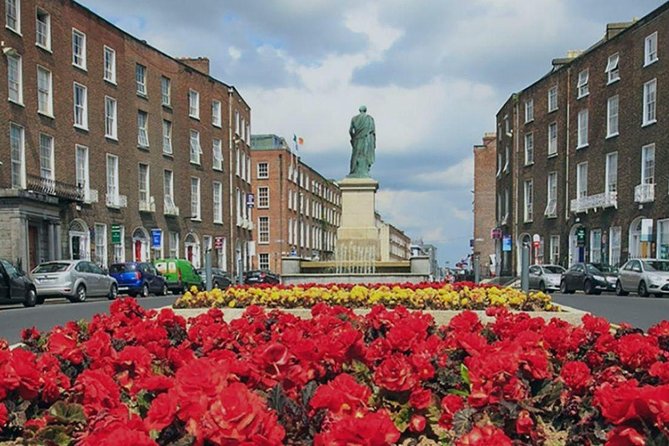
Next comes a heavier story: the siege of Limerick and what it meant beyond the city itself, including implications for the world and for Britain as the closest neighbor. This stop changes the tone. Suddenly the walk is not just about beauty and architecture. It’s about survival, strategy, and consequences that traveled far.
After that, you cross the river Shannon on one of the oldest crossings, and you learn about medieval Limerick. This is an excellent mid-tour anchor because it turns the river from a background feature into the main historical actor. Once you’ve crossed, you’ll understand why earlier decisions mattered so much.
A useful way to enjoy this segment: pause and look back at what you just passed. The Shannon crossing helps you see how the city’s layout reflects centuries of movement, trade, and defense.
King John’s Castle, Bard of Thomond, and a Ghost-Story Mood
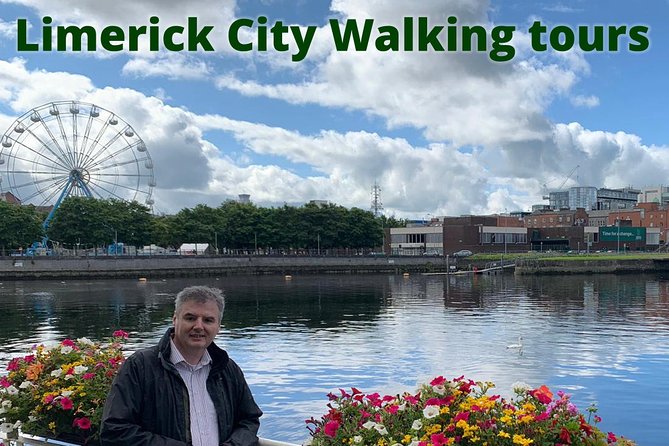
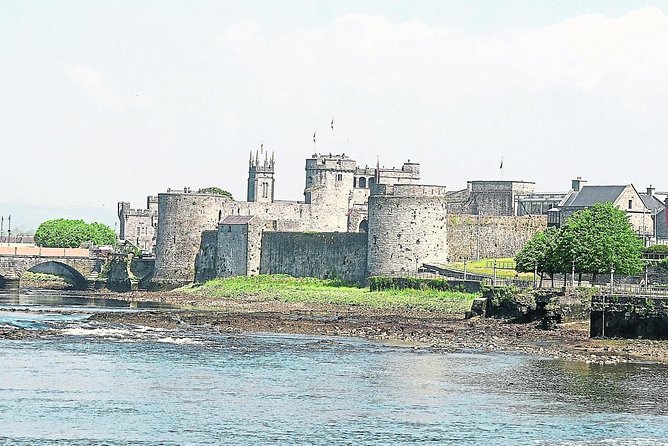
As you continue, the tour shifts into the medieval imagination with a cluster of stops centered on the Bard of Thomond and your first clear view of King John’s Castle. King John’s Castle is the kind of landmark that instantly feels “big.” But the value here is your guide connecting it to the wider story of the city, not treating it like a photo op.
You’ll also see the Dolores O’Riordan mural in this wider stretch, so the tour keeps a modern thread running through the older setting. That mix is one reason this outing doesn’t feel like you’re walking through time and forgetting today.
One highlight from feedback is that Joe includes a ghost story or two. That may sound like fluff, but it actually helps. Spooky asides create mental hooks, and those hooks make the factual history easier to recall. If you enjoy legends and atmosphere, this is a win.
Practical suggestion: if you’re the kind of person who hates being interrupted mid-photo, tell your guide. Private tours are flexible. Good guides will time explanations to your pace.
Old Exchange Wall, Oldest Building, Abbey River Traditions
After the castle area, you’ll see the old Exchange Wall and the oldest building in Limerick. This is the moment when the tour becomes very “place-specific.” Instead of only discussing broad eras, you start recognizing the physical markers that survived.
Then comes another water-linked stop on the Abbey River, including the Old Christian Brother School and traditions tied to Abbey River fishermen. Even when you do not know the exact details of the people involved, you can feel what the guide is doing: turning a name into a way of life.
This section is also a good contrast to the Shannon material. One river tells one kind of story, the other river tells a different one. Together, they show how Limerick wasn’t built on a single purpose. It was built on multiple rhythms.
If you are short on time in Limerick later, this part can be useful. A lot of what you learn here gives you context for what you might see on your own later.
Irishtown, Medieval Walls, and Limerick’s Tall Church Spire
The tour moves into the Irishtown area, described as part of the medieval city. You’ll see remains of older walls of Limerick and a view of Ireland’s tallest church spire, plus the first section of the Georgian city.
This is an important stop set for two reasons. First, it helps you understand how the city layers changed over time. You are looking at evidence of medieval boundaries, then shifting into a later urban style. Second, it gives you a sense of scale. When a church spire dominates the view, it becomes a map marker for the entire skyline.
One caution: some portions of this kind of viewing can feel like a lot of “look up and listen.” If you prefer tours that include frequent movement between sites, this is still manageable, because you’ll keep walking through multiple blocks. Just know you’ll spend moments absorbing views rather than stepping into rooms.
Weekend Markets and a Victorian Rail Stop for the Modern City Feel
Next, you’ll view a Limerick market that is still active on weekends. That matters because it connects the history you’ve been learning to daily life. A market is one of the most honest ways to see whether a city is still functioning like it always has.
Then you’ll move to a historical street and a fine Victorian Rail Station. Train stations often feel like blank architecture unless someone tells you the story behind them. In this case, your guide connects it back to the bigger Limerick timeline you have already been hearing.
I like ending this style of tour segment with something that still has a real-world purpose. It keeps the tour from becoming only a timeline lesson.
Tait Clock, Crimean War Echoes, and the WWI Monument Finale
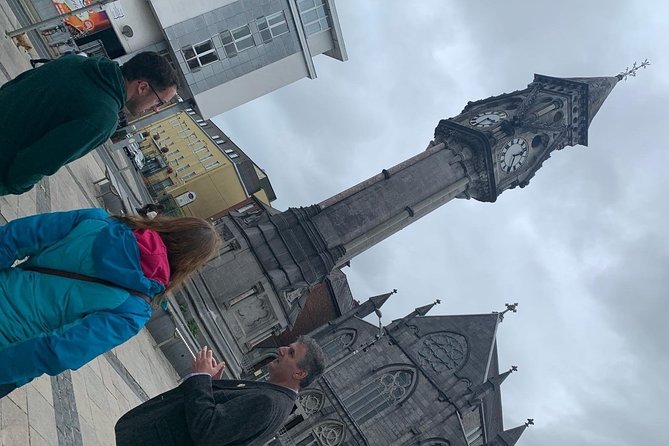
Toward the end you’ll see the Tait Clock and learn about Limerick’s connection to the American Civil War as well as the Crimean War. That loop-back is smart. You first heard about those wars earlier, and now you see another physical marker tying them into the city.
Then you finish at the First World War monument, with a focus on the thousands of Irish soldiers who perished. This is the tour’s emotional anchor, the place where the history you heard earlier becomes personal and costly. It’s not a heavy lecture for the sake of it. It helps you understand why memorials like this get preserved and visited.
The tour ends back at the meeting point, but you also get an extra option. At the Glen Tavern, about 30 minutes is allowed for refreshments, and your guide typically has a pub lunch there. Food is described as excellent, and it’s a good chance to chat with Joe after the walk if you want to ask follow-up questions.
That post-tour moment is more than a meal. It’s where your guide can tailor answers to your interests.
Should You Book This Private Limerick Walking Tour?
Book it if you want a story-led tour that connects landmarks to real events, not just dates and street names. It’s especially a good fit if you like wars seen through local eyes, or if you enjoy culture tie-ins like Angela’s Ashes and the Dolores O’Riordan mural.
I would also recommend it if you’re a small group of friends or family. The up-to-7 private setup helps the value work in your favor, and you get flexibility that group tours usually do not.
Skip it or adjust your expectations if you want mostly indoor stops or scheduled museum tickets. This outing is built for walking, viewing, and listening, and that can be perfect if you want an orientation to the city that you can build on later.
If good weather is in your forecast and you have about two hours for a solid but manageable walk, this is one of the more thoughtful ways to understand Limerick fast.
FAQ
How long is the private walking tour of Limerick City?
It runs for about 2 hours.
What is the group size for this private tour?
It is a private tour for your group only, priced per group for up to 7 people.
Is the tour available in English?
Yes, it is offered in English.
What is included in the price?
The included item is an escorted guide.
Are there any entrances included or required?
No entrances are required on this orientation tour.
Where do we meet, and does the tour end nearby?
You meet at Limerick City Gallery of Art, Carnegie Building, Pery Square, Prior’s-Land, Limerick (V94 E67F). The activity ends back at the meeting point.
What if the weather is bad?
The experience requires good weather. If it is canceled due to poor weather, you’ll be offered a different date or a full refund.
Latest to join the session in Limerick

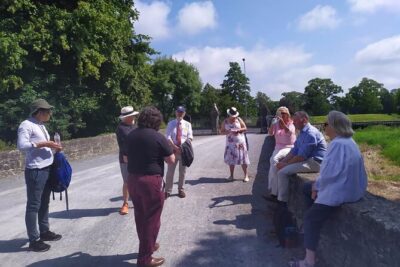

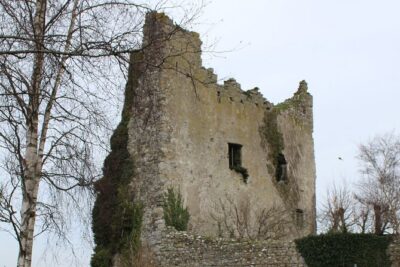


City Tours, compared.

Cliffs of Moher, Burren & Galway City Day Tour
Read our review →

Dublin to Rock of Cashel, Cork City & Blarney Castle Guided Tour
Read our review →
City Sightseeing Dublin Hop-On Hop-Off Bus Tour
Read our review →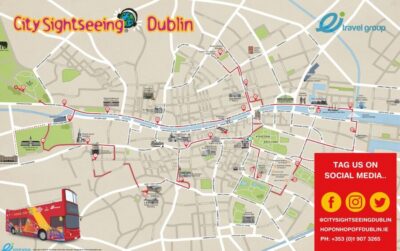

Go City: Dublin Pass | Save up to 50% – Includes 35+ Things To Do
Read our review →

Aran Islands and Cliffs of Moher Day Cruise sailing from Galway City Docks
Read our review →Browse the lists this tour appears in