

Reviewed · WATERFORD TOURS & EXPERIENCES
Waterford: House of Waterford Factory Tour
Crystal gets personal at Waterford’s workshops. This one-hour House of Waterford tour in County Waterford gives you a close, guided look at how world-famous crystal pieces are shaped and finished. You’ll move room to room through the real work, from the earliest Waterford story to the details that make each piece sparkle.
What I like most is the hands-on feel of the visit, especially the way you can watch the craftsmen at work and ask questions. I also love the order of the tour, because it follows the actual steps, from wooden molds to cutting and then the precision-heavy sculpting and engraving. One heads-up: this is a shop plus workshop tour, not a museum-only experience, so if you hate retail environments, plan a quick, focused visit at the end.
In This Review
- Quick hits before you go
- Waterford crystal in an hour: why this tour works
- Price and logistics that actually affect your day
- Entering the history room: Waterford’s story before the glass
- Mold room: where wooden molds shape molten crystal
- Blowing room: turning glowing glass into shape
- Cutting, sculpting, and engraving: where precision takes over
- The retail store finale: see it all, then shop smart
- What you’ll actually get from the guide (and why it matters)
- Is this tour worth it for you?
- Should you book the House of Waterford factory tour?
- FAQ
- How long is the House of Waterford factory tour?
- Where does the tour start and end?
- What does the ticket price include?
- What is not included?
- Is the tour wheelchair accessible?
- Is the tour offered in English?
- Can I cancel for a refund?
Quick hits before you go

- Real process, room by room: history, molding, blowing, cutting, then sculpting and engraving
- Close viewing: you get up near the action rather than only peeking from a distance
- Interactive Q&A: you can ask craftsmen about what they’re doing as the work happens
- The showroom finale: you end in the retail store with a large display of Waterford crystal
- Guide energy matters: guests highlight guides such as James and Sean for making the details click
Waterford crystal in an hour: why this tour works

A factory tour can be dry. This one rarely is. You’re not just walking past glass cases. You’re watching trained makers turn molten material into finished pieces, then you’re shown where it all lands in the retail space.
The 1-hour timing is a big deal for value. It’s long enough to see multiple stages clearly, but short enough that you are still energized at the end, especially if you have other plans in Waterford. The guide keeps the flow moving, and the pace fits most visitors.
Price and logistics that actually affect your day
The tour costs $20 per person, and it includes the factory admission plus a guided visit through the workshop spaces and the retail store. That matters because you’re paying for a structured experience, not just entry to a building.
The tour starts at The Mall, Waterford City, and it ends back there, which keeps your day simple. It’s also live guided in English, so you don’t have to worry about audio-only explanations missing the human details. Starting times vary by availability, so check what fits your schedule before you lock in other activities.
Two practical notes I’d build into my plan:
- Wear comfortable shoes. You’ll be standing and walking through working areas.
- Expect a shop ending. Even if you don’t plan to buy, give yourself time to look, because that retail section is part of the experience.
Also keeping time in Waterford



Entering the history room: Waterford’s story before the glass
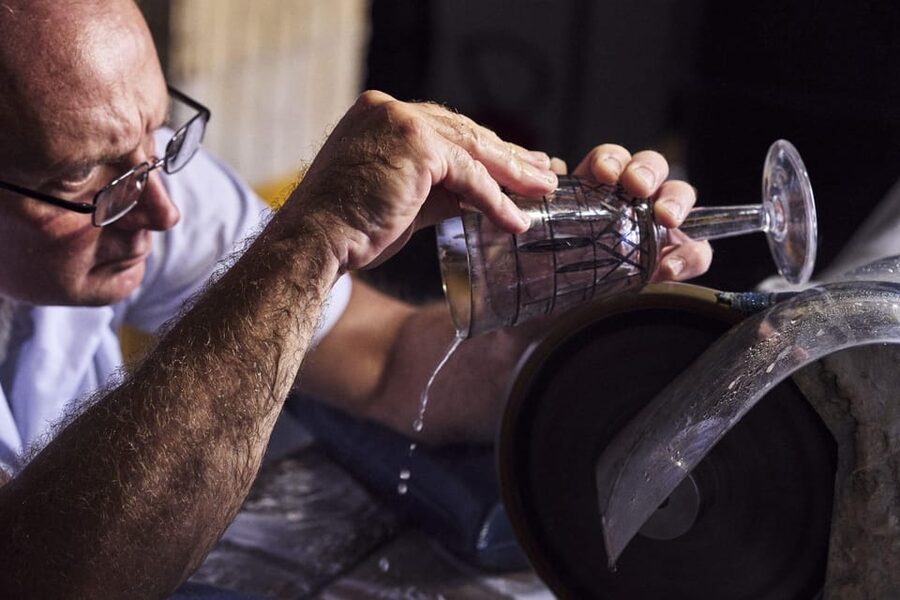
The first stop sets the tone: the history room. This is where you trace Waterford from its earliest days through the development of the firm. You’ll see detailed exhibits, and you’ll also spot antique Waterford pieces on display here.
I like this opening because it explains the why, not just the how. When you later watch cutting wheels and engraving work, you can connect those precision steps to what Waterford has been known for over time. It makes the process feel purposeful, not random.
A small benefit: if you’re traveling with someone who isn’t sure they care about crystal, the history room is a good way to hook them. You’re learning the brand story and seeing older pieces early, which helps you appreciate what the modern workshop is trying to preserve.
Mold room: where wooden molds shape molten crystal
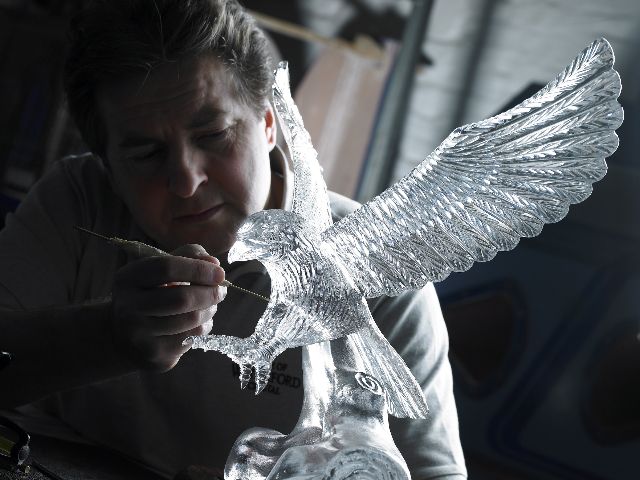
Next comes the mold room, and this is one of the most visually striking parts. You’ll see wooden molds and hand tools still used by master blowers to shape molten crystal.
This is where the tour quietly teaches a real lesson about craft: the tools might be simple, but the results depend on practiced skill. You’re watching how form is created before the crystal ever reaches the finishing stages.
One consideration for your expectations: this part is about shaping and form. The most dramatic sparkle usually comes later with cutting and engraving, so if you’re only expecting instant shine, you may want to mentally pace yourself. The work ramps up.
Next tune called in Waterford:
- Waterford Treasures: Medieval Museum Admission Ticket
★ 4.5 · 132 reviews - Irish Wake Museum Tour Rituals of Death and Celebration of Life
★ 5.0 · 115 reviews - Osprey Viking Cruises
★ 5.0 · 56 reviews - Waterford Treasures: Bishop’s Palace
★ 4.5 · 53 reviews
Blowing room: turning glowing glass into shape
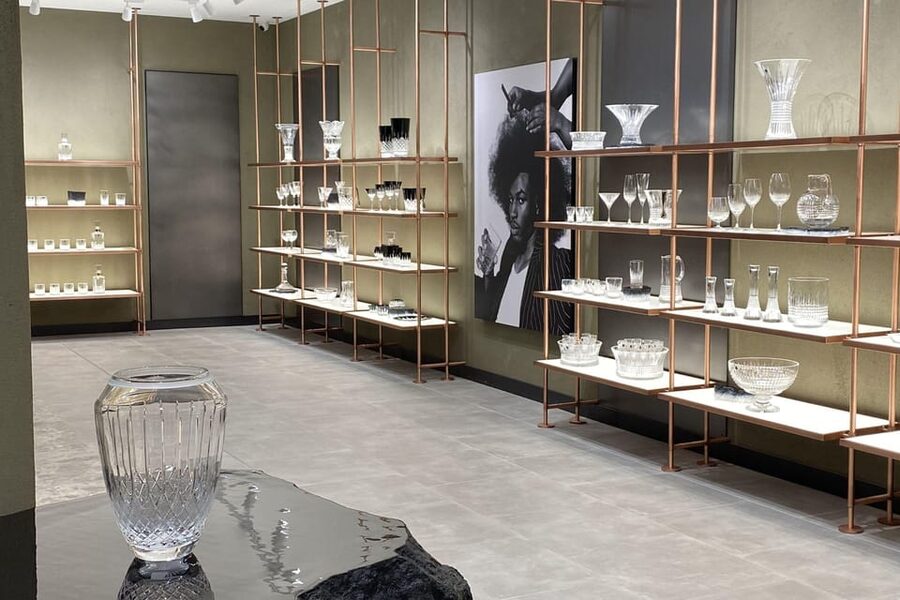
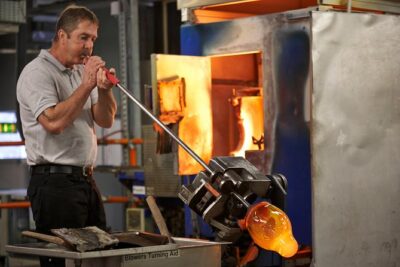
Then you move into the blowing room. This is where craftsmen transform glowing balls of molten crystal into elegant shapes.
Watching blowing work is fascinating because it looks both artistic and disciplined. You can usually see that the maker is responding to the material in real time, not just following a script. The tour’s structure helps here, because you’ve already seen the mold concept, so blowing makes sense as the next step.
If you like asking questions, this is a great area to do it. The tour is interactive, and the guides encourage you to ask about the craft. Guests have praised how friendly and knowledgeable guides are, and how willingly they answer questions while you watch the work.
Cutting, sculpting, and engraving: where precision takes over

After the blowing stage, the tour becomes more about fine control. In the cutting department, master craftsmen use industrial diamond-tipped wheels to cut the crystal. The diamond wheel helps ensure a high quality cut, and the result is the kind of detail that makes light behave the way it should.
Then come the last two stages, sculpting and engraving. These are arguably the most precision-based parts of the creation process, and the tour makes sure you reach them before the finale. This is where you really start understanding why handmade crystal can cost what it costs. You’re seeing work that depends on training, careful hand movements, and judgment that comes from years of practice.
A useful way to watch here: slow your gaze down. Instead of looking for one finished piece, notice how each stage adds a different type of detail. Cutting is about edges and facets. Sculpting and engraving are about texture, pattern, and refined definition.
The retail store finale: see it all, then shop smart
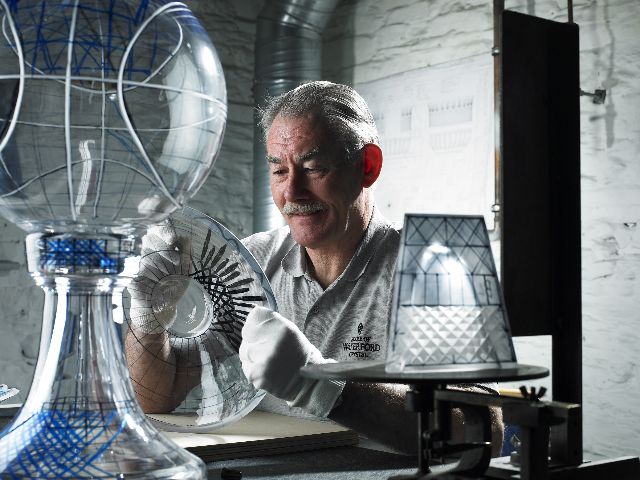
The tour ends in the House of Waterford retail store, where you’ll see the largest display of Waterford crystal in the world. Even if you don’t buy, this stop turns what you saw into context, because you can connect finished objects to the stages you watched.
This is also the moment where you can decide what style you like:
- pieces that feel more classic and antique-inspired
- items where the cut pattern is the main visual feature
- designs where engraving and fine detail are the focus
Two practical tips if you want value from your time:
- Go in with one goal. Maybe it’s a centerpiece, a gift, or a specific cut you noticed on the tour. Otherwise, the display can make browsing drift.
- Compare after the tour, not before. You’ll get better at spotting craft-related differences once you know what each workshop stage does.
Some visitors also note there’s a café on site where you can grab coffee and treats after the tour. Since meals and drinks aren’t included, it’s smart to plan a break if you’re adding this to a longer day.
What you’ll actually get from the guide (and why it matters)

A tour like this lives or dies on the guide. The feedback is consistently positive about guides being friendly, knowledgeable, and happy to answer questions. Names like James and Sean show up in guest praise, with specific mentions of enthusiasm and detail.
When the guide explains a stage, they help you see what you might miss if you’re just watching machinery. For example, the tour doesn’t treat the process like a vague sequence. It connects the history room to the molding room, then to blowing, then to cutting and engraving. That chain of cause and effect is what turns viewing into understanding.
If you enjoy craft, this guide-led structure is a big part of the value, especially at the $20 price point.
Is this tour worth it for you?

This is a great fit if you:
- like watching skilled hands at work
- enjoy learning how things are made, not just what they look like
- want a single, efficient activity in Waterford that fills a full hour without dragging
It’s also a good choice for gift shoppers. By the end, you’ll understand what you’re paying for, at least in terms of effort and precision. Even if you do not want to spend, you’ll likely browse with more confidence.
Who might want to think twice:
- If you hate retail environments, because the ending is a shop with a large crystal display.
- If you’re hoping for a long, museum-style exhibition. This is workshop-focused and process-heavy, not a multi-gallery spend-the-day format.
Should you book the House of Waterford factory tour?
Yes, if you want a straightforward, high-skill experience that feels real and not staged. I’d book it when you want an hour of clear, guided learning and close viewing, especially if you’re the type who wonders how things are made.
If you’re on the fence, base your decision on this: the tour is priced reasonably for what’s included, and it follows the actual creation steps from history to final detail. You’ll leave knowing what each stage contributes, and you’ll be able to browse the showroom with a sharper eye instead of just getting dazzled.
FAQ
How long is the House of Waterford factory tour?
The tour duration is 1 hour. Starting times depend on availability, so it’s worth checking what times are offered when you book.
Where does the tour start and end?
The tour starts at The Mall, Waterford City and ends back at The Mall, Waterford City.
What does the ticket price include?
Your ticket includes the factory tour admission, a guided factory tour, information about the history of Waterford crystal, an interactive experience with time to ask questions, and a visit to the House of Waterford retail store.
What is not included?
The tour does not include meals and drinks, souvenirs, or interpretative equipment.
Is the tour wheelchair accessible?
Yes, it is wheelchair accessible.
Is the tour offered in English?
Yes, the tour guide language is English.
Can I cancel for a refund?
You have free cancellation up to 24 hours in advance for a full refund.
Latest to join the session in Waterford



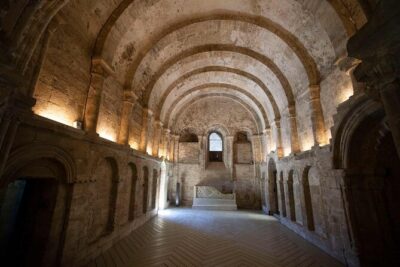


Waterford Tours & Experiences, compared.
House of Waterford Crystal Guided Factory Tour
Read our review →
Skip the Line: Hook Lighthouse Entrance Ticket and Guided Tour
Read our review →

Waterford Treasures: Medieval Museum Admission Ticket
Read our review →
Irish Wake Museum Tour Rituals of Death and Celebration of Life
Read our review →

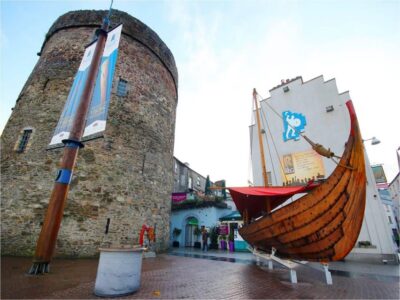
Waterford Treasures: Walking Tour of the Viking Triangle
Read our review →Browse the lists this tour appears in