
Reviewed · COBH & TITANIC TRAIL VISITS
The Queenstown Story @ Cobh Heritage Centre , Great Stories of Emigration.
Cobh’s train station tells emigration like a thriller. I like the skip-the-line entry and the way the museum is self-guided, so you control your pace. One thing to consider, it is mostly on your own inside, so if you want nonstop live storytelling, you may find the format a bit quieter than expected.
Set in a beautifully restored Victorian railway station in Cobh, this is a practical stop that works well whether you have one hour or you want to linger. You’re in English, with a small cap of up to 40 people, and the mobile ticket makes the arrival part simple. If you’re already thinking about the Titanic museum, you’ll be glad you added this, because it frames the bigger story of Irish departures.
I also like that you can make it personal. In one very clever approach, you can be guided to follow a specific emigrant name through the exhibits, and there are hands-on moments like learning Morse code. Plan for about 1 to 2 hours, and you’ll get a lot more from it.
In This Review
- Key things I think you’ll love
- Queenstown Story at Cobh: why this station is the star
- Skip-the-line ticket: what it really changes for your day
- Inside the experience: how the self-guided journey plays out
- The emotional heart: Irish emigration and the Great Famine
- Maritime connections: Titanic and Lusitania in context
- Interactive moments that keep you engaged (without being gimmicky)
- Genealogy support: for ancestry hunters and family-story seekers
- Timing it right: one hour, two hours, or a slow afternoon
- Price and value: is $18.15 worth it?
- Where to fit it during a Cobh or Cork itinerary
- Who should book the Queenstown Story at Cobh Heritage Centre?
- Should you book this ticket?
- FAQ
- Where does the Queenstown Story at Cobh Heritage Centre start?
- Is this ticket timed, and does it help with lines?
- Is this a guided tour or a self-guided museum visit?
- How long should I plan to spend in the museum?
- What topics does the museum cover?
- Is food included with the ticket?
- Is there genealogy help available during the visit?
- What are the opening hours?
- Is the experience suitable for most people?
Key things I think you’ll love
- Skip-the-line entry at Cobh Heritage Centre so you can head straight inside and get your bearings fast
- A chronological emigration route that starts in the 1600s and connects to later waves, including the Great Famine
- Titanic and Lusitania connections in the same place so the maritime links feel grounded in real human stories
- Interactive options like Morse code practice and a guided-feeling way to trace an emigrant’s journey
- Genealogy support on site, including access to Ancestry.com and a genealogy consultant
Queenstown Story at Cobh: why this station is the star
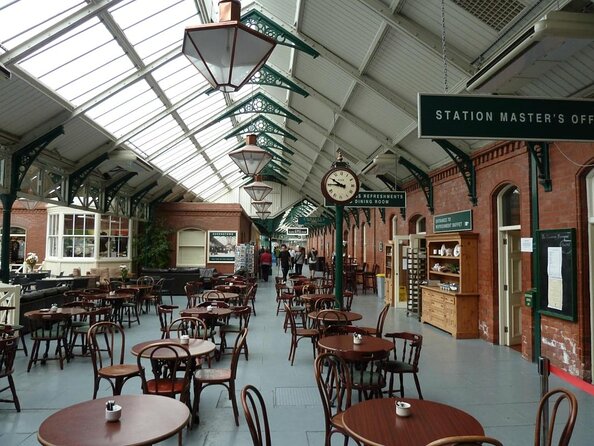
Cobh is one of those Irish towns where the water, the ships, and the departures feel impossible to ignore. The Queenstown Story at the Cobh Heritage Centre takes that setting and turns it into a time-linked museum experience, inside a restored Victorian railway station.
That station detail matters. Victorian architecture brings light, height, and a sense of movement. It also makes the emigration theme feel more physical, like you’re stepping into the same kind of space where families once waited, traveled, and said goodbye.
You don’t just get a set of posters or a quick history lecture. The museum is designed to carry you through the story in order, from earlier departures to later, darker chapters. If you like museum experiences that make you slow down and read, this is built for that rhythm.
Skip-the-line ticket: what it really changes for your day
The ticket is specifically marketed as a skip-the-line entry, and that is more than a convenience label. Cobh can be busy during peak cruise and day-trip times, and even when a line looks short, it still steals the best part of your time slot.
Practically, this means you can focus on getting into the exhibits quickly and deciding what to prioritize. That matters because this museum gives you control. It is self-guided, so once you’re inside, you can choose the pace, the order, and how long you want to stay with a panel, video, or interactive station.
One small note: if there is no line when you arrive, the skip-the-line part may feel less dramatic. Still, it keeps your arrival smooth and reduces stress, especially if you’re pairing this with nearby sights.
More quays where the liners anchored:



Inside the experience: how the self-guided journey plays out
Your main stop is the Cobh Heritage Centre, and once you’re through the entry process, the museum experience is set up for independent exploring. You start with a chronological tour that begins in the 1600s, when Irish emigrants left from this port area toward destinations such as the Colonies of America and the West Indies.
From there, you move through changing waves of emigration. This is not a single-ship story. You get the sense that departures happened for different reasons across centuries, and the museum keeps the timeline moving forward so you can connect the dots.
The structure works well if you like museums with a narrative spine. You can also go back later to re-read a section you rushed, because the visit is flexible. One practical plus from visitor feedback is that you can stay as long as you want and even revisit the exhibits on the same day.
If you’re coming on a cruise day, that flexibility helps you manage your own time. You can do the essentials quickly if you’re on a hard schedule, or you can extend if you find a section that hooks you.
The emotional heart: Irish emigration and the Great Famine
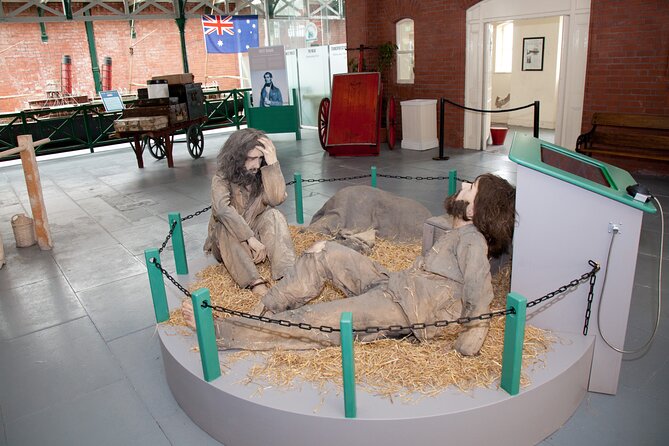
The museum’s tone shifts when it reaches the Great Famine, and that is where the exhibit becomes most affecting. It’s not presented as abstract suffering. Instead, it’s built to help you track lives and choices across time.
That emotional focus is part of the reason this ticket feels worthwhile. It gives context for why people left and what conditions shaped decisions that families had little control over.
Even if you already know a bit about Irish history, the museum can broaden your understanding. People often walk in thinking of one famous departure narrative, then realize there were multiple reasons and multiple waves. The exhibit also highlights the sheer scale of Irish emigration, referencing the lives of over three million Irish emigrants.
This is a good stop if you want history with human weight. It’s also a good stop if you’re traveling with family members who benefit from museum displays that read like a story rather than a textbook.
More rebellions retold in place:
- Cobh: Guided Historic Walking Tour
★ 4.6 · 32 reviews - Cobh: 3-Hour Cultural Tour Plus
★ 4.9 · 31 reviews - Dublin Historical Centre Food Tour with 8 Food Tastings & Drinks
★ 5.0 · 1,718 reviews - 2-Hour Historical Walking Tour from Dublin
★ 5.0 · 875 reviews
Maritime connections: Titanic and Lusitania in context
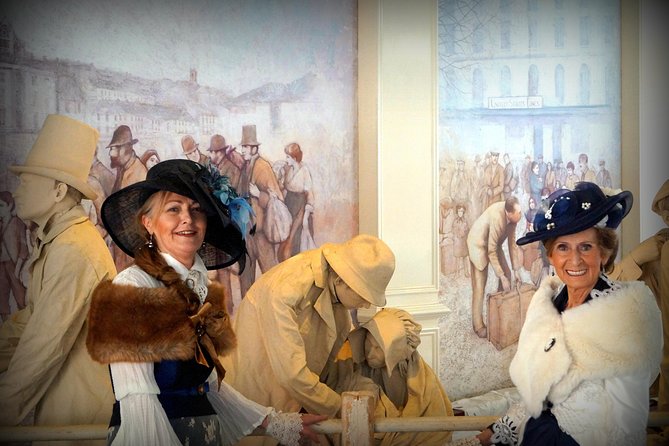
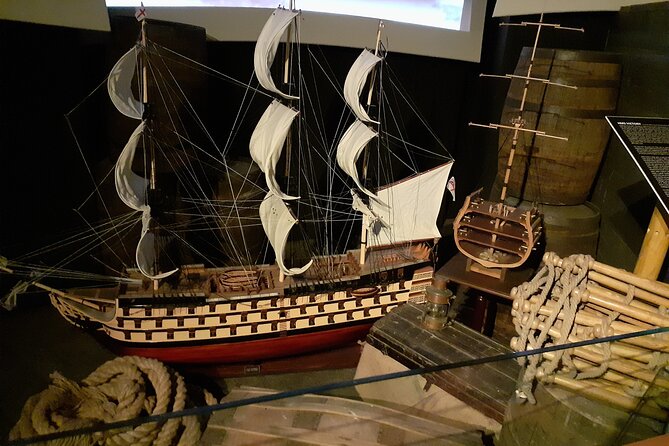
You do get Titanic material, and it sits alongside connections to the Lusitania. What I like about placing these associations inside a broader emigration storyline is that they stop feeling like just pop-culture history.
Instead of treating Titanic and Lusitania as isolated headline events, the museum frames them as part of the larger flow of people and journeys that brought Irish emigrants into the wider world. That makes the maritime and passenger-ship themes feel more grounded.
If you’re doing Cobh as a Titanic-focused day, this museum can give you a deeper layer to hang that interest on. And if you’re already tired of Titanic-only stops, this gives you a reason to care about the town itself, long before any single ship entered the spotlight.
Interactive moments that keep you engaged (without being gimmicky)
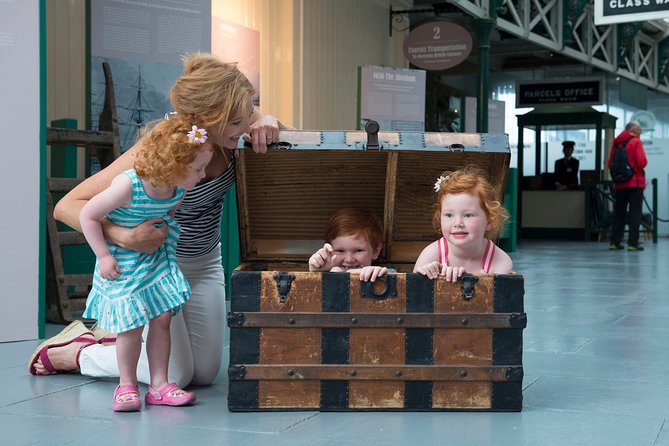
One strong theme from the experience is interaction that supports understanding, not distraction. A visitor feedback standout is a clever approach where you may be given the name of an emigrant to follow through the museum, almost like you’re experiencing the timeline yourself.
That kind of “you are part of the story” method helps the exhibits feel less like reading walls and more like a guided journey. It is still self-guided, but it adds a structure that nudges you from one section to the next.
There are also hands-on touches. Morse code practice is mentioned as something you can do inside, which is a fun, surprisingly memorable way to connect with communication and departure-era life.
If you enjoy museums that include both reading and listening or watching components, you should feel at home here. And because it is independent, you can pause, replay, or spend longer where you want, without needing to match a group pace.
Genealogy support: for ancestry hunters and family-story seekers
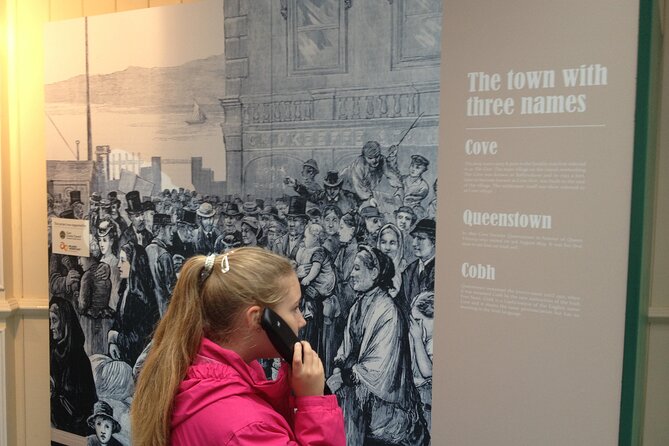
If you have Irish roots, or you’re traveling with someone who does, this is where the museum starts feeling personal. There is a genealogy consultant on site, and there is access to Ancestry.com.
That combination can be a real time-saver. Instead of guessing where to start, you can use what you see in the exhibits and then connect it to family research resources in the same building.
A practical consideration: one visitor noted the genealogy consultant was not at the desk when they visited, so if genealogy is a top priority for you, plan to ask on arrival and be flexible. Even if the consultant is unavailable at that moment, the existence of the genealogy setup is a big plus for anyone who wants to leave with more than facts.
Timing it right: one hour, two hours, or a slow afternoon
Most people should plan on around 1 to 2 hours. That range matches how the museum is designed, and it also aligns with how long it takes to move through a chronological timeline without feeling rushed.
If you have only an hour, focus on the main timeline sections and the key historical anchors, then do any interactive stops at the end. If you have two hours, give yourself time to pause longer at the Great Famine section and the ship-related connections, since those tend to reward slow reading.
One visitor tip that’s worth taking seriously is that you can stay and go back within the same day. That flexibility changes the feeling of the visit. You can start with the essentials, then circle back if something catches your attention.
Price and value: is $18.15 worth it?
At $18.15 per person, you’re buying a ticket that does three valuable things at once: it gets you in, it saves you time with skip-the-line entry, and it gives you a structured timeline that is more than a quick stop.
If you normally pay similar museum admission prices, the value here comes from the pacing. You’re not stuck in a rigid group tour format. You can control your reading and viewing time, and you can extend without guilt if you’re still learning.
Also, the museum’s themes cover more than one famous ship story. It ties emigration over centuries to the Great Famine and to Titanic and Lusitania connections. That breadth helps the ticket feel like it earns its place in your itinerary.
Finally, mobile ticketing plus a small group setting (up to 40 travelers) makes this feel like a smart use of limited vacation time, especially if you’re in Cobh for a short window.
Where to fit it during a Cobh or Cork itinerary
If you’re basing in Cork City, Cobh is an easy day by train. The Heritage Centre is a short walk from the waterfront, and it’s close to other big-ticket maritime sites.
That proximity is a major practical advantage. You can do this museum first, then walk along the waterfront and continue to other museums at a relaxed pace. One visitor described it as very convenient when arriving on a cruise, literally close to where ships dock, which is exactly what you want on tight schedules.
If you like museum-hopping, this works nicely as a bridge between Titanic interest and a broader view of why the town mattered. If you’re not into Titanic at all, you’ll still get value from the emigration, famine, and human-history focus.
Who should book the Queenstown Story at Cobh Heritage Centre?
This ticket is a strong match for you if:
- you want Irish emigration history that spans centuries, not one headline
- you like museums with interactive moments and a clear storyline
- you have family ties to Irish migration and want genealogy support options
- you’re in Cobh on a cruise or on a short schedule and want efficient entry
It may not be the best fit if you prefer a fully guided, spoken narrative for the entire time. Because this is independent inside, you’ll be doing more reading and self-paced exploring. That can be great, but it’s different from a traditional tour where you mostly listen.
Should you book this ticket?
Yes, I think you should book it if you’re curious about how Cobh connects to the bigger Irish story of leaving home. The combination of skip-the-line entry, a chronological emigration route, and connections to the Great Famine plus Titanic and Lusitania makes it more than just a stop with a theme.
Book it especially if you have limited time or you want a museum you can control. If you like to linger, you’ll appreciate the ability to spend more time once you’re inside. If you want help with ancestry, this is also one of the better spots in Cobh to start.
The only real “skip it” argument is preference. If you strongly dislike self-guided museums, or if you need constant live commentary, you might feel under-supplied on that front.
FAQ
Where does the Queenstown Story at Cobh Heritage Centre start?
It starts at The Queenstown Story @ Cobh Heritage Centre, Deepwater Quay, Ringmeen, Cobh, Co. Cork, P24 CY67, Ireland, and it ends back at the same meeting point.
Is this ticket timed, and does it help with lines?
Yes. The experience includes a guaranteed skip-the-line entry ticket so you can head inside without waiting in the long lines.
Is this a guided tour or a self-guided museum visit?
You get an independent tour inside the museum. A driver/guide is included, and the experience is offered as an independent experience after entry.
How long should I plan to spend in the museum?
Plan on about 1 to 2 hours.
What topics does the museum cover?
The museum follows emigration history chronologically, starting in the 1600s, and includes sections on Irish emigration, the Great Famine, and connections to Titanic and The Lusitania, along with Cobh’s maritime and military roles.
Is food included with the ticket?
No. Food and drinks are not included. There is a cafe mentioned in visitor feedback.
Is there genealogy help available during the visit?
Yes. There is a genealogy consultant inside, and there is access to Ancestry.com.
What are the opening hours?
For 01/09/2026 to 12/30/2026, it is open Monday through Sunday from 9:30 AM to 4:00 PM.
Is the experience suitable for most people?
Most travelers can participate. Service animals are allowed, and the experience is near public transportation. Group size is capped at a maximum of 40 travelers.
Latest to join the session in Cobh



Cobh & Titanic Trail Visits, compared.


Visit 16 Sites Key Historical Sites And Experience Cobh Rebel Tours
Read our review →
Full-Day Tour to Cork, Cobh and Blarney Castle
Read our review →
Cork and Blarney Castle Visit from Cobh by Train
Read our review →
The Titanic Trail: 1-Hour Guided Walking Tour of Cobh
Read our review →
Browse the lists this tour appears in