
Reviewed · COBH & TITANIC TRAIL VISITS
Cobh: Guided Historic Walking Tour
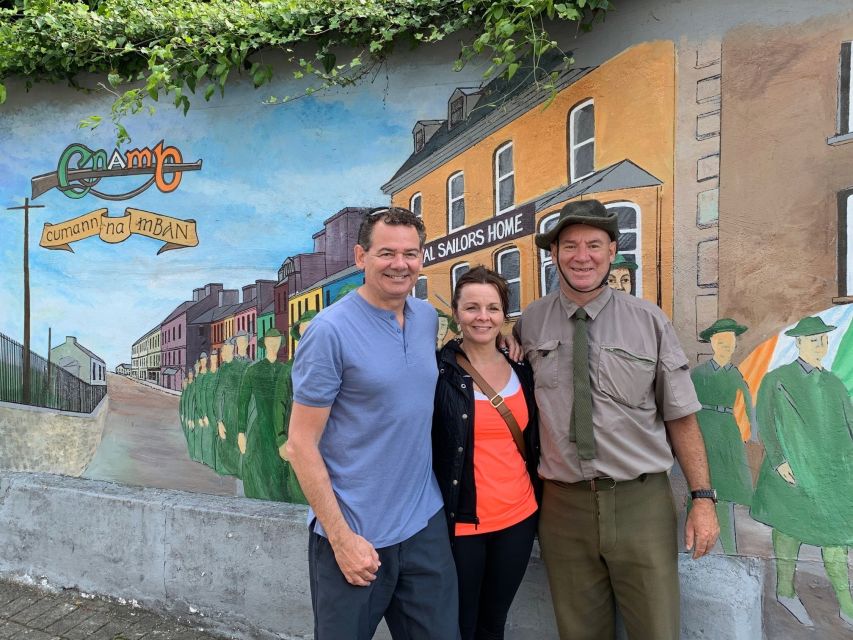
Cobh has a lot to say. This 2-hour guided historic walking tour turns the town into a storybook, with a charismatic guide like Kieran bringing Irish history to your feet through 16 sites tied to ambushes, safe houses, training halls, and barracks. I like that you get real local detail at a leisurely pace, with frequent stop-and-chat moments, and I also like that the tour links national events from the potato famine to the Irish war for independence to specific places in Cobh. One thing to consider: it is not suitable for people with mobility impairments, and there is a small hill at the start.
You meet at the Cobh Heritage Centre by the quay, just a couple minutes walk from Cobh Railway station, and the tour loops back to the same spot at the end. Expect comfortable walking distances, thoughtful pauses, and plenty of time for questions, so you do not just hear facts, you also see how the town’s layout shaped events.
In This Review
- Key points worth knowing before you go
- Cobh’s streets become a history lesson you can walk through
- Meeting at Cobh Heritage Centre, then starting with that first hill
- The 16 stops: ambush sites, safe houses, training halls, barracks
- The detention spaces tied to the Cobh republican volunteers
- From potato famine to independence: how the guide builds the bigger picture
- Pace, group size, and why Q and A makes the walk better
- Price and value: is $40 for a 2-hour walk worth it?
- What to bring: shoes, rain gear, and how to stay comfortable
- Who should book this, and who should consider a different plan
- Should you book Cobh Rebel Walking Tours?
- FAQ
- How long is the guided historic walking tour in Cobh?
- Where do I meet for the tour?
- How close is the meeting point to Cobh Railway station?
- How many historical sites will we visit?
- What is included with the tour price?
- What language is the tour conducted in?
- What should I bring with me?
- Is the tour suitable for people with mobility impairments?
- Is there free cancellation?
Key points worth knowing before you go
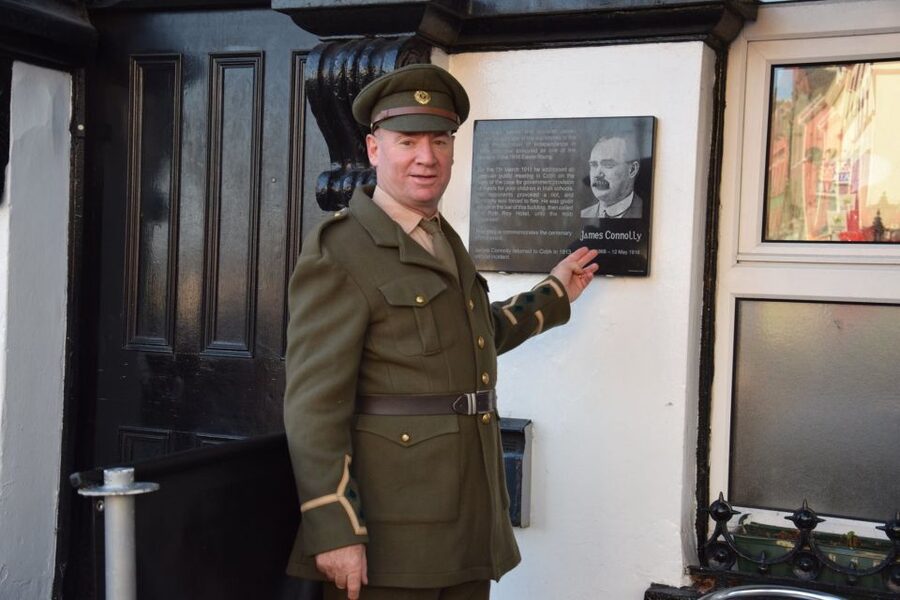
- 16 historical stops tied to ambushes, safe houses, training halls, and barracks, with story context at each one
- Detention locations related to the Cobh republican volunteers, where the narrative gets serious and personal
- Conversational pacing, with time to ask questions and talk through what you are seeing
- Heritage Centre entry included, so you have more to read and absorb once the walk ends
- Bring rain gear because this is a walking tour and Cobh weather has a mind of its own
Cobh’s streets become a history lesson you can walk through
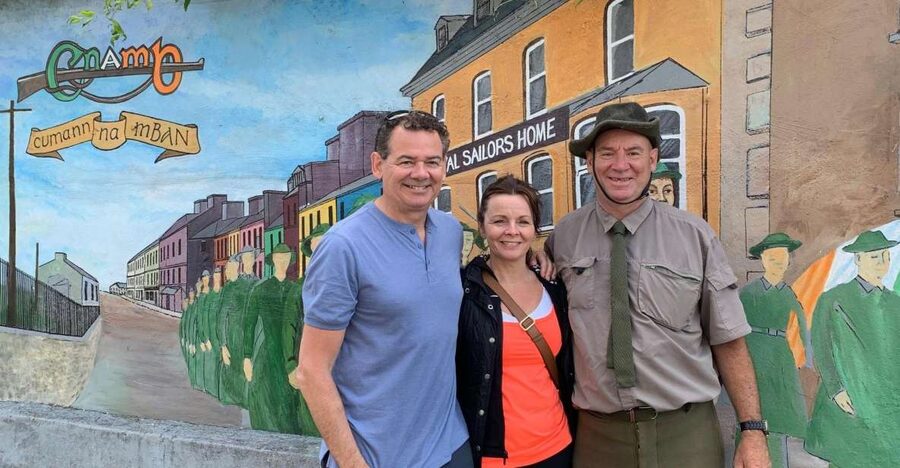
I like tours where history is not stuck behind glass. This one works because you are moving. You stand in the very spots tied to ambushes, hiding places, and the daily infrastructure around the conflict, then the guide stitches together what happened and why it mattered.
What makes it especially compelling is the way the guide connects big Irish moments to the lived reality of this town. You go from earlier hardship like the potato famine era, to later struggles through the Irish war for independence, and then back to the local network of people and places in Cobh. You do not just hear a timeline. You start to understand how events ripple into specific streets.
If you are the kind of person who enjoys asking questions, you’ll be in your element. The pace is relaxed, and there are stops built in for Q and A. You can also expect the guide to talk with you, not at you, which is exactly how you want history to feel when you are outside.
Meeting at Cobh Heritage Centre, then starting with that first hill
You start at the Cobh Heritage Centre by the quay side. It is very close to Cobh Railway station, about a two-minute walk, so you can build this easily into a day that also includes the harbor area or nearby sights.
There’s a small hill right at the start. It is not described as a long climb, but it’s enough that you’ll feel it if you prefer flat walking. Wear shoes you trust, because once you’re rolling, you’ll likely want your footing for stops along the way.
The good news is that the tour loops back to the meeting point. That matters because it saves you from “where do we end up” stress. You finish where you began, so you can pop back into the Heritage Centre area for a look around or head straight to lunch.
More Guided Walking Tours in Cork


The 16 stops: ambush sites, safe houses, training halls, barracks
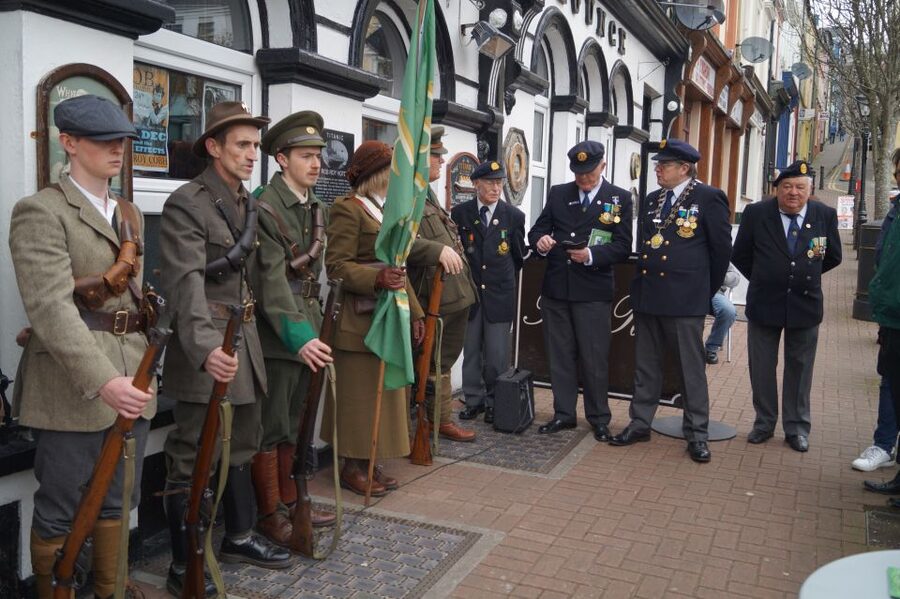
This is the backbone of the experience. You visit 16 historical sites, and they fall into clear categories: ambush sites, safe houses, training halls, and barracks. That structure helps you follow the story, even when you’re learning new terms or unfamiliar local details.
At each site, you pause long enough to get your bearings. The guide then explains what you’re seeing and why that particular location mattered. This is where a good outdoor history tour separates from a normal walk. The point is not only the fact, it’s the geography.
Here is what you can expect from the categories:
- Ambush sites: You’re encouraged to look at approaches and visibility, because placement is everything in an ambush. The guide’s stories make you think about timing, cover, and risk.
- Safe houses: These stops highlight how people hid, protected, and moved information. You start to appreciate that safety was not a single place, it was a network of choices.
- Training halls: You get context on preparedness and learning. It helps you understand that the conflict involved planning and organization, not just sudden action.
- Barracks: These locations bring in the “institution” side of the story. It can help explain how systems worked, and how communities dealt with that reality.
One practical benefit of visiting a defined set of sites like this is pacing. You have a rhythm: see the spot, hear what happened, then move to the next layer of the story. It keeps the 2 hours from feeling like a lecture marathon.
The detention spaces tied to the Cobh republican volunteers
The tour does not stay on the action side of events. A major highlight is the visit to detention locations associated with the Cobh republican volunteers.
This part of the walk is valuable because it broadens your understanding. You often hear about conflicts as if they are only fights or maneuvers. Detention brings in the human cost, the consequences, and the pressure on communities. You also learn how local involvement fit into the wider Irish history you’ve probably encountered in school or films.
The guide’s role here is important. If you’re expecting dry facts, you might be surprised by how personal and grounded the story can feel when you are standing near a place tied to detention. It is the kind of stop that makes the town feel closer, and not just “a pretty seaside place with a port.”
More quays where the liners anchored:
- The Queenstown Story @ Cobh Heritage Centre , Great Stories of Emigration.
★ 4.5 · 181 reviews - Visit 16 Sites Key Historical Sites And Experience Cobh Rebel Tours
★ 5.0 · 167 reviews - Cork and Blarney Castle Visit from Cobh by Train
★ 4.5 · 106 reviews - Private Tour Blarney Kinsale and Cobh Viator Badge of Excellence
★ 5.0 · 51 reviews
From potato famine to independence: how the guide builds the bigger picture
The tour covers a wide span of Irish history, from the potato famine to the Irish war for independence, plus the in-between eras that shaped local life. You should expect the guide to connect those themes back to the exact Cobh sites you’re visiting.
Why this approach works: it prevents the “local tour trap,” where you only learn about the town without understanding the national forces behind it. Instead, you leave with two things at once. You know something specific about Cobh, and you also understand how that local story fits into the larger Irish picture.
This is also where the guide’s personality really matters. Multiple people describe the guide as passionate and very engaging, the kind of person who can turn a history walk into conversation. A standout detail from experiences like this is how flexible the guide can be when the group is small. If you happen to book a quieter slot, you may find the tone becomes even more personal and you get more back-and-forth rather than a one-size-fits-all script.
Pace, group size, and why Q and A makes the walk better
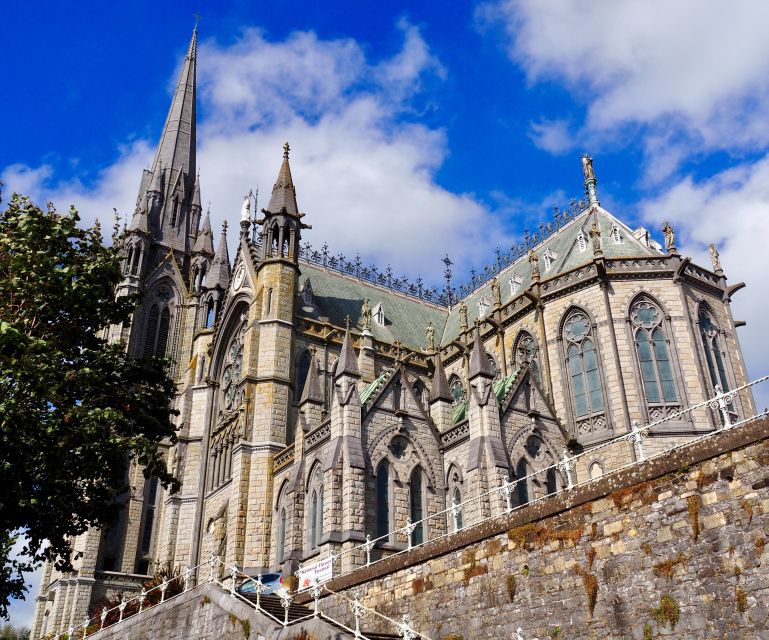
This tour is described as moving at a leisurely pace. That’s code for something good: you get time at each stop to process what you’re hearing, and you’re not rushed from one location to the next.
Q and A is part of the flow. That matters because you can ask clarifying questions in real time. Instead of waiting until the end, you can figure out what a term means, why a location mattered, or how one event connects to another.
The English language component is also important. If you are comfortable in English, you will be able to follow the nuances and also catch the small local details that make a story feel authentic. The best history guides make you feel like you’re getting notes from someone who actually loves where they live.
Price and value: is $40 for a 2-hour walk worth it?
At $40 per person for about 2 hours, the value depends on what you want from your day in Cobh.
Here’s what you get for the money, based on the experience format:
- A guided walk through 16 historical sites
- Stops that include ambush locations, safe houses, training halls, and barracks
- Visits to detention locations related to the Cobh republican volunteers
- Entrance to the Heritage Centre included
- A guide who leads with stories and keeps the pace interactive
If you enjoy history that is tied to place, this can be a strong deal. You’re not just learning from panels or brochures. You’re moving through the town and using the layout as part of the explanation. And because Heritage Centre entry is included, you have a chance to reinforce what you hear with on-site context.
If you want a purely scenic walk with minimal talking, you may find this heavier than expected. But if you like stories, context, and standing on meaningful spots, $40 for 2 hours with structured stops usually feels fair.
What to bring: shoes, rain gear, and how to stay comfortable
This is a walking tour in coastal Ireland, which means weather can change fast. The essentials you should bring are simple:
- Comfortable shoes with decent grip
- Umbrella
- Camera
- Rain gear
There’s also that small hill at the start, so think about comfort over style. If your shoes are fine on flat sidewalks but not great on wet stone or uneven ground, you’ll notice it.
One more practical tip: treat your camera like a tool, not a chore. Stop, listen, then shoot. The stories land better when you are present, not constantly looking through a lens.
Who should book this, and who should consider a different plan
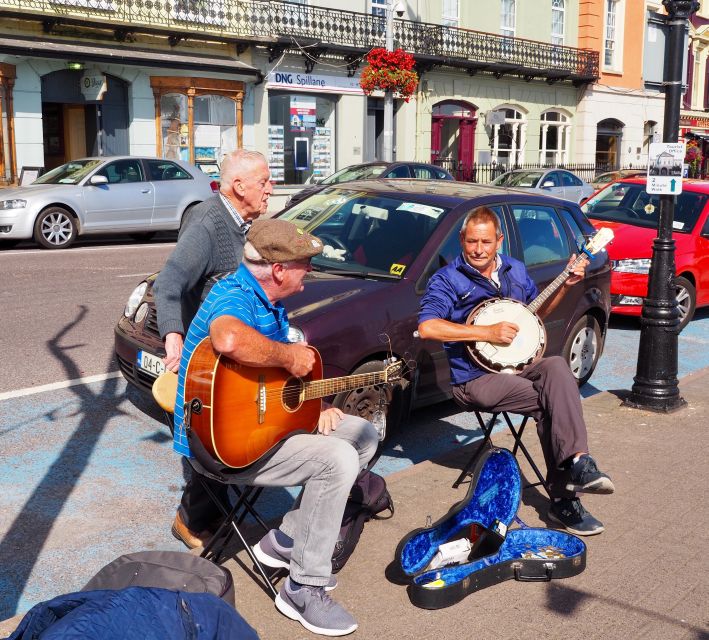
This tour is a great fit if you:
- Want Irish history connected directly to specific places in Cobh
- Like guides who tell stories and invite questions
- Enjoy military and political history presented with local context
- Want more than a quick overview, thanks to the 16-site structure
It’s not a good match if you:
- Have mobility impairments, since it is not suitable for people with mobility impairments
- Prefer minimal walking or very low physical effort, because you do cover a series of stops and there is a hill at the start
If you’re traveling with family members, you’ll likely want to consider their interest level in history and their tolerance for a walking tour with lots of explanation.
Should you book Cobh Rebel Walking Tours?
If you’re the type of traveler who likes to understand how places got their reputation, book it. This is not a generic “here are the sights” walk. It’s built around 16 specific historical stops plus detention locations that add depth, and you get Heritage Centre entry included.
I would especially recommend it if you’re interested in Irish history and you want it grounded in real streets, not just museum walls. Bring good shoes, pack rain gear, and come ready to talk and ask questions. If that sounds like your kind of day, you’ll leave Cobh feeling like you actually learned something, not just walked past it.
FAQ
How long is the guided historic walking tour in Cobh?
The tour lasts 2 hours.
Where do I meet for the tour?
You start at the Cobh Heritage Centre by the quay side.
How close is the meeting point to Cobh Railway station?
The Heritage Centre is about a 2-minute walk from Cobh Railway station.
How many historical sites will we visit?
You will visit 16 historical sites, including ambush sites, safe houses, training halls, and barracks, plus detention locations.
What is included with the tour price?
Entrance to the Heritage Centre, Cobh is included.
What language is the tour conducted in?
The tour is in English.
What should I bring with me?
Bring comfortable shoes, an umbrella, a camera, and rain gear.
Is the tour suitable for people with mobility impairments?
No, it is not suitable for people with mobility impairments.
Is there free cancellation?
Yes, you can cancel up to 24 hours in advance for a full refund.
Rebellions Retold
- Cobh: 3-Hour Cultural Tour Plus
★ 4.9 · 31 reviews - Dublin Historical Centre Food Tour with 8 Food Tastings & Drinks
★ 5.0 · 1,718 reviews - 2-Hour Historical Walking Tour from Dublin
★ 5.0 · 875 reviews - Historical 2-Hour Guided Walking Tour of Dublin
★ 4.7 · 865 reviews
Streets Taken Slow
- Dublin Highlights and Hidden Gems Guided Walking Tour
★ 5.0 · 6,020 reviews - Dublin: Highlights and Hidden Gems Walking Tour
★ 4.9 · 2,140 reviews - 1916 Rebellion Walking Tour
★ 5.0 · 1,605 reviews - 90 Minute Dublin Walking tour and Sightseeing tips
★ 5.0 · 916 reviews
Latest to join the session in Cobh

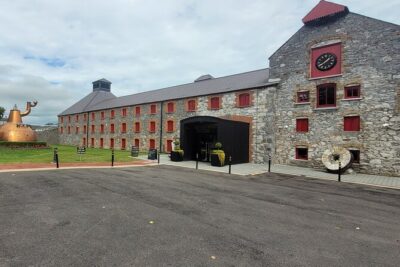
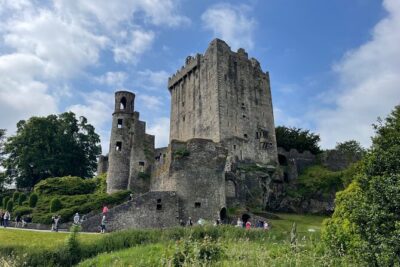
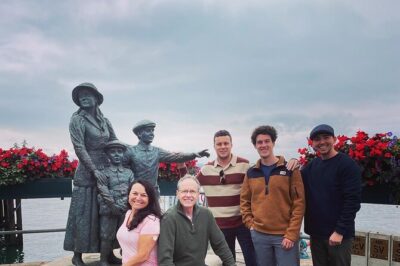
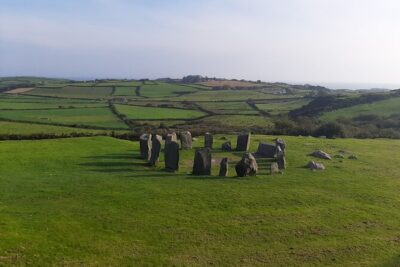
Cobh & Titanic Trail Visits, compared.
The Queenstown Story @ Cobh Heritage Centre , Great Stories of Emigration.
Read our review →
Visit 16 Sites Key Historical Sites And Experience Cobh Rebel Tours
Read our review →
Full-Day Tour to Cork, Cobh and Blarney Castle
Read our review →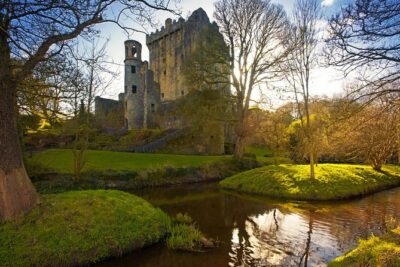
Cork and Blarney Castle Visit from Cobh by Train
Read our review →
The Titanic Trail: 1-Hour Guided Walking Tour of Cobh
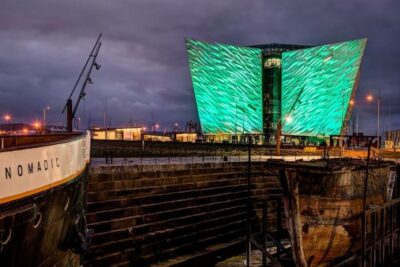
Read our review →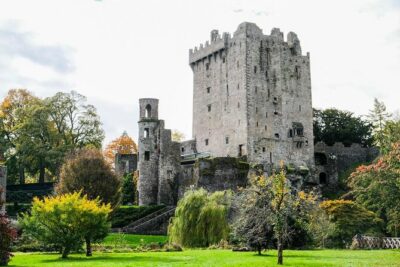
Browse the lists this tour appears in