
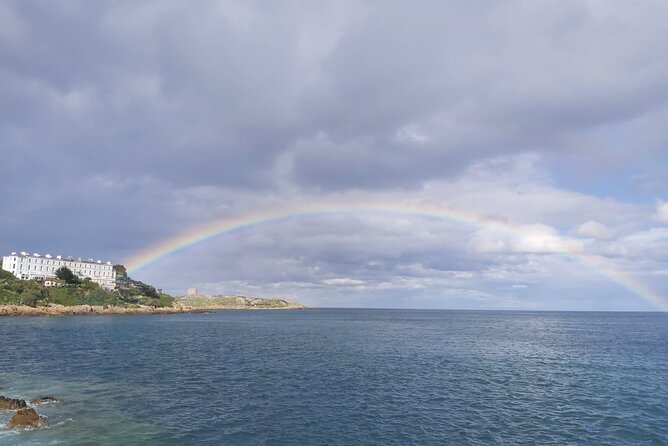
Reviewed · WALKING TOURS
Dublin (Dun Laoghaire) Top-Rated Coastal Walking Tour
Dun Laoghaire to Dalkey feels like a mini vacation. This coastal walking tour takes you out of Dublin’s center and threads you through harbors, seaside stops, and village lanes, with real stories along the way. You also get one big “wow” break at the James Joyce Tower & Museum, where the spiral staircase leads to rooftop views.
I love how the tour mixes big-name Dublin culture with everyday coastal life. You’ll spend time at Dun Laoghaire Harbour and People’s Park, then follow the railway-era details through places like The Metals and the village of Dalkey.
One drawback to plan for: it’s a proper walking tour. Expect uneven paths and stairs at the tower, so bring good walking shoes and don’t schedule it right before something you’re determined to sprint through.
In This Review
- Key things you’ll notice on this walk
- Why the Dun Laoghaire to Dalkey route is worth leaving central Dublin
- Price and value: what $114.65 buys you (and what it doesn’t)
- Getting started at Harbour Rd and finishing at Dalkey DART
- How long it really feels, and what kind of walking to expect
- Stop by stop: from Dun Laoghaire Harbour to People’s Park
- The Metals, a classic village stretch, and Dublin’s famous swimming point
- James Joyce Tower & Museum: the spiral staircase moment
- Bulloch Harbour: seals, industrial history, and a photo-friendly stretch
- Bulloch Castle ruins and Dalkey’s seven-castle story
- Dalkey village: affluence, Viking tales, and practical dining tips
- The real secret: local guidance and a pace that keeps you smiling
- Practical tips before you go
- Who should book this tour, and who might prefer something else
- Should you book the Dublin coastal walking tour to Dalkey?
- FAQ
- How long is the Dublin (Dún Laoghaire) to Dalkey coastal walking tour?
- How much does the tour cost?
- Where do I meet, and where does the tour end?
- Is the James Joyce Tower & Museum ticket included?
- Are snacks included in the tour price?
- Do I need to pay for train fare?
- Is the tour offered in English?
- What is the group size?
- Is the tour suitable for most travelers?
- What if the weather is poor?
- Can I cancel for free?
- Are service animals allowed?
Key things you’ll notice on this walk
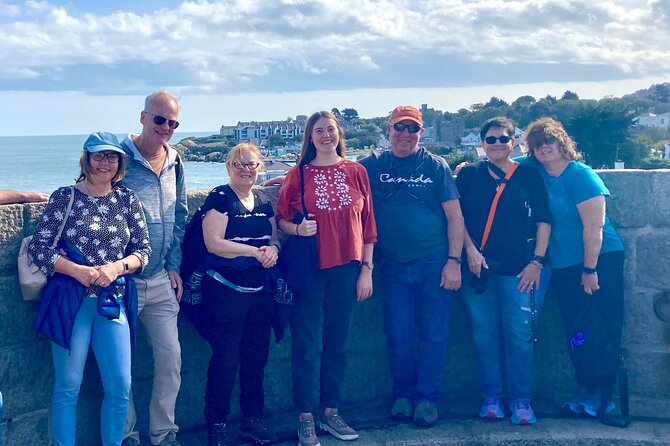
- Harbor to village change of scenery without needing a car
- James Joyce Tower & Museum includes admission and a spiral staircase climb
- Short stops that add up (lots of 5- to 10-minute story points)
- Real coastal drama like the view from Sandycove and chances to spot seals near Bulloch Harbour
- A small group vibe with a maximum of 20 people, so questions stay easy
- Dalkey DART station finish, which makes it simple to head back when you’re done
Why the Dun Laoghaire to Dalkey route is worth leaving central Dublin
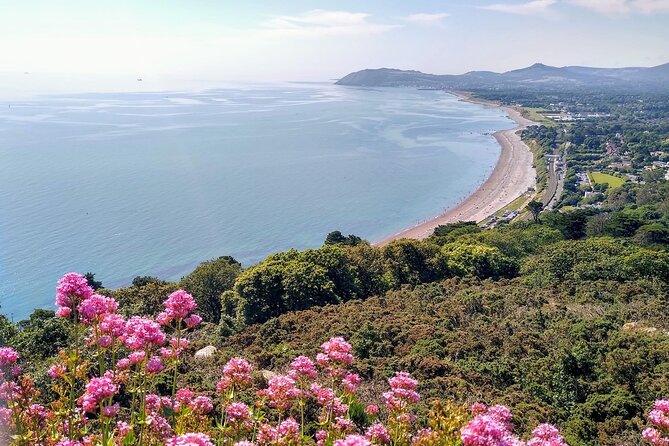
Most Dublin tours stay glued to the city center. This one quietly changes the mood. You start in Dun Laoghaire, a coastal town right on the water, and you finish in Dalkey, another dramatic seaside pocket with a completely different feel from the busy streets downtown.
What I like about this route is how it tells Dublin through its coastline instead of through its famous monuments. You’ll hear about maritime life, harbor history, railway connections, and the Viking and medieval layers that show up as you move from one village to the next. It’s the same country, different rhythm.
And if you’re short on time, there’s a practical win. The meeting point is near public transportation, and the tour ends at Dalkey DART station, so you can control your day and leave when you want. It’s also a smart option for cruise days, because you don’t have to cross the city just to get to something scenic.
Price and value: what $114.65 buys you (and what it doesn’t)
At $114.65 per person, this isn’t the cheapest walk in Dublin. But it does include several things that make the day feel less like “DIY plus walking” and more like a guided experience.
Here’s where the value comes from:
- The guide is included, plus all fees and taxes.
- James Joyce Tower & Museum admission is included, so you aren’t paying extra for the main ticketed stop.
- Many other stops are free to enter, so your money goes to interpretation and access to the right places.
What’s not included is important for planning. You’ll need to budget for train fare if you’re riding back to where you’re staying, and snacks are on your own. Also, transportation to the meeting point is not included, though it is easy to reach using public transit.
If you like “guided context” more than “drive-by photos,” this price starts to make sense fast. You’re paying for a local storyteller to connect harbors, castles, and the coastline into one coherent walk, rather than just ticking off buildings.
More Guided Walking Tours in Dublin



Getting started at Harbour Rd and finishing at Dalkey DART
The meeting point is very straightforward: 1 Harbour Rd, Dún Laoghaire. It’s also easy to find because it’s near the Dart station. That matters more than you might think. On a day when you’re walking, the last thing you want is 20 minutes of sprinting to meet your group.
You’ll end at Dalkey DART station. That’s a gift. Dalkey isn’t hard to get back from, and you can choose your next step: head to Dublin city center, return to Dun Laoghaire, or hop off at another DART stop along the line.
One practical note: you’ll want to have a plan for trains and ticket purchase, since the tour price does not include train fare. The good news is that the area is set up for public transit, so you’re not stuck waiting for a tour vehicle that never existed.
How long it really feels, and what kind of walking to expect
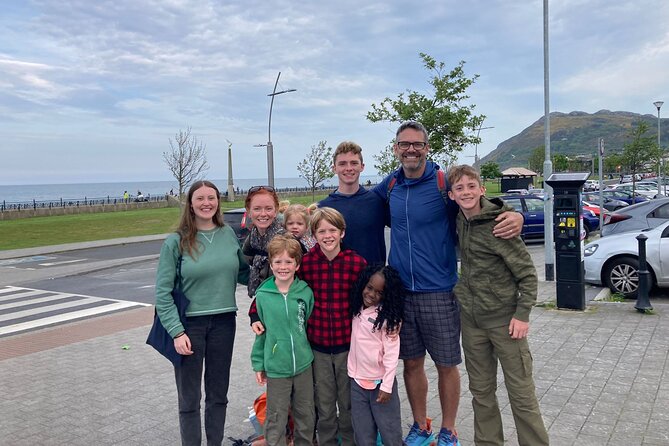
The tour runs about 3 hours 30 minutes. In practice, it can feel like a half-day with a lot of stop-and-start storytelling. You’re not just marching along the coast nonstop. You’ll pause often, listen, and then walk again.
The group size matters too. With a maximum of 20 travelers, this feels manageable and social rather than chaotic. You’ll also get time to ask questions, and the pace is described as comfortable rather than rushed.
Terrain is the one thing you should respect. Paths can be uneven, and there are stairs at the tower. You don’t need hiking boots, but skip flip-flops and choose shoes with solid grip. If you’re the type who hates stairs, plan for the spiral staircase part, because it’s a main attraction and it’s not optional.
More Irish streets taken slow:
- 90 Minute Dublin Walking tour and Sightseeing tips
★ 5.0 · 916 reviews - 2-Hour Historical Walking Tour from Dublin
★ 5.0 · 875 reviews - Historical 2-Hour Guided Walking Tour of Dublin
★ 4.7 · 865 reviews - Dublin Traditional Irish 3 Course Meal Walking Tour with Local
★ 5.0 · 755 reviews
Stop by stop: from Dun Laoghaire Harbour to People’s Park
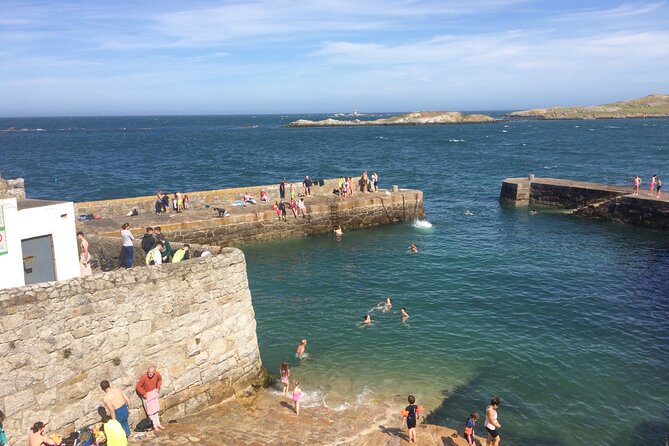
You begin at Dun Laoghaire Harbour, a place where the coastline and the city’s working story meet. You’ll view and hear about the history of Dun Laoghaire Pier and Harbour. This is where the tour’s maritime theme gets its anchor, so the stories start to make sense before you head further along.
This stop is short, about 10 minutes, and admission is free. That short timing is intentional. It gives you an opening orientation, then moves you to the next location while your attention is still fresh.
Next comes People’s Park, another quick stop at around 10 minutes. It’s local, green, and restful compared to harbors and lanes. If you go on a Sunday, the tour spends extra time exploring the farmer’s market. Even if you don’t shop, it’s a nice way to see how locals use public spaces.
The Metals, a classic village stretch, and Dublin’s famous swimming point
After People’s Park, you’ll move into the area called The Metals, walking through the historic laneway and hearing about the railway history of Dun Laoghaire. This part works well because it adds infrastructure to the story. You’re not only hearing about ships and storms. You’re also learning how people and goods moved along the coast and into town.
There’s then a small “typical Irish village” section in the flow. It’s not about a single landmark. It’s about the lived-in feel, where you notice the shape of the streets and the kind of neighborhood that grew up around the coast.
One of the most talked-about scenic moments is seeing Dublin’s most famous swimming point. From what you’re likely to encounter on this route, that’s the area around Sandycove. The scene has that classic seaside drama: exposed water, salty air, and locals doing what locals do, even when the water isn’t exactly warm.
This segment is where the day shifts from “history tour” to “real coastline day.” You’ll get views that make you understand why people live near the water in Ireland even when the weather has opinions.
James Joyce Tower & Museum: the spiral staircase moment
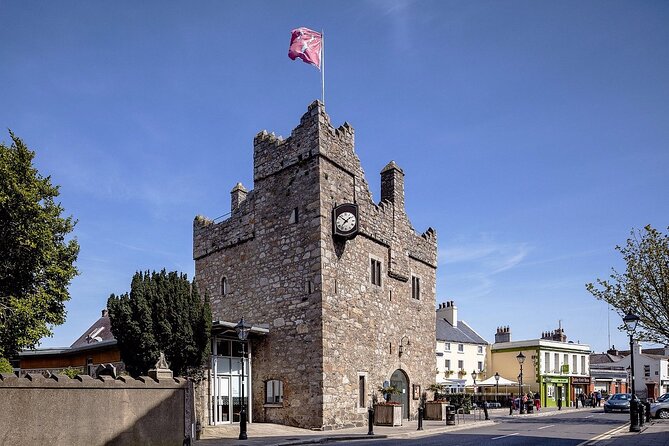
If you want one reason to book this tour, it’s the James Joyce Tower & Museum stop. You’ll enter the museum, hear about the story behind the tower, and then climb the spiral staircase up to the rooftop viewing area.
This is the only ticketed attraction on the list, and it’s priced into the tour. Expect around 20 minutes here. That includes time to go in, listen, and get up high enough to see how the coastline shapes the coastline.
This stop is a smart payoff because it turns the walking you’ve done into an actual viewpoint. Instead of only hearing about places, you connect the dots by looking down and outward. On a clear day, you’ll feel how Dun Laoghaire and the surrounding towns sit on the water like linked chapters.
If you’re sensitive to stairs, plan ahead. The tower climb is a key part of the attraction, so it’s worth taking your time and not rushing it.
Bulloch Harbour: seals, industrial history, and a photo-friendly stretch
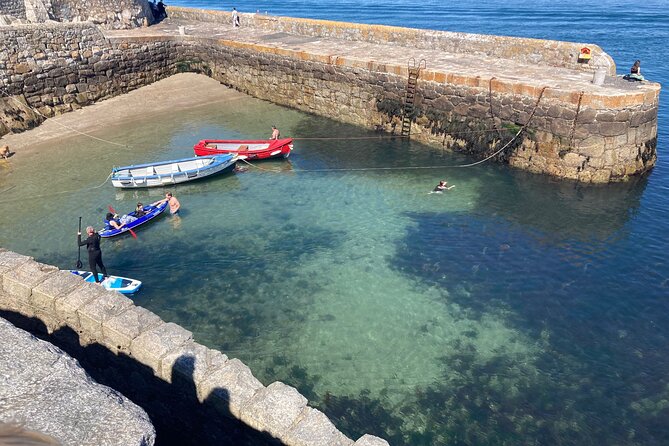
Next is Bulloch Harbour, another free stop around 10 minutes. This is one of those locations where you can understand the “industrial past to modern day usage” theme without a lecture. You’ll view the village harbor and hear how it used to function, and how it’s used now.
One detail that adds delight: you might see seals in the water or lounging on the rocks. I like that kind of “bonus nature” element. It makes the harbor feel alive rather than staged for visitors.
This stop is also practical. It’s short, scenic, and gives you a chance to check where everyone is in the group. If you need to take a breather after the earlier walking, this is a good moment to do it.
Bulloch Castle ruins and Dalkey’s seven-castle story
After the harbor, you’ll look at Bulloch Castle, a medieval ruin. The stop is brief, around 5 minutes, but it carries a lot of context.
You’ll hear how Dalkey once contained seven castles, and this tour includes views of three of them. That framing is useful because it turns a ruin into a bigger idea: Dalkey as a defensive landscape with layered eras.
The castle viewpoint is also photo-friendly. Even without climbing anything, you can capture the shape of the ruin and the way it sits near the coast and villages. It’s the kind of stop that works for history lovers and casual walkers alike.
Dalkey village: affluence, Viking tales, and practical dining tips
Then you reach Dalkey, described as the most affluent village in Dublin. That reputation shows in the feel of the streets and the way the town presents itself, but the tour keeps it grounded with stories.
You’ll walk through the village and hear about Viking history and why the area mattered. The guide also shares recommendations for nightlife and dining. I like that because it turns your tour into planning help, not just sightseeing.
The tour also includes additional castle-related viewpoints, including a Norman castle and heritage center (presented as one of the seven castles of Dalkey). You’ll also get a viewpoint of the village island from a railway tour segment, with stories that connect Viking and Catholic history.
What makes the Dalkey portion work is the balance. It’s not only “old stones and old dates.” It’s also how people live now, how the place feels to walk through, and where you might go next for food or a post-walk drink.
The real secret: local guidance and a pace that keeps you smiling
The biggest reason this tour earns a top rating is how it’s guided. A guide like Marina Boyle is described as friendly, patient, and great at answering questions. That’s a big deal on a tour like this, where there are lots of short stops and you might want extra context.
I also like the pace. The stops are spread out, and you never feel like you’re being thrown forward every 30 seconds. One review notes there are lots of places to rest if needed, and that matches what you want on a coastal walk where the weather can change fast.
You’ll also notice the tour doesn’t treat the day like one long lecture. It mixes maritime stories, railway history, and seaside scenes with a natural flow. That makes the information stick because you can see what the guide is talking about.
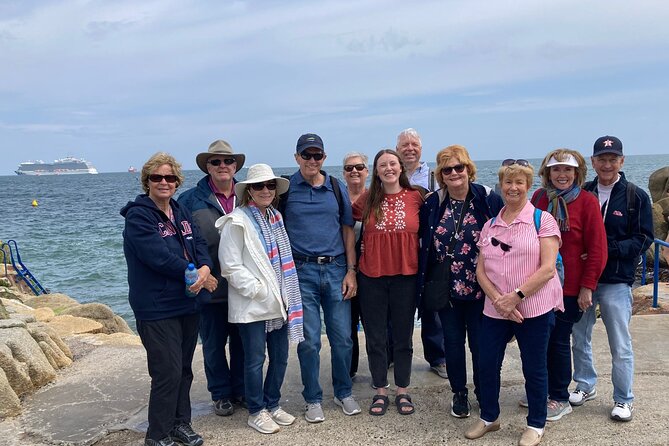
And yes, you may make a few new friends. With a maximum group size of 20, conversations happen without forcing anyone to become a social butterfly.
Practical tips before you go
Bring the basics, but don’t overthink it.
- Wear grippy walking shoes. Paths can be uneven, and there’s a spiral staircase.
- Dress for coastal weather. Even in good weather, the wind can pick up quickly near the water.
- Plan to buy your own snacks if you need them. It’s not listed as included, and you’ll likely work up an appetite.
- If you’re doing this from a cruise day, consider whether your ship’s schedule gives you enough time for the walk and the train back. Ending at Dalkey DART station makes that easier, but you still need a buffer.
If James Joyce Tower is closed on a particular day, the guide can only work with what’s available. So keep expectations flexible and treat the day as a coastal story walk, not a single-ticket guarantee.
Who should book this tour, and who might prefer something else
Book it if you want Dublin without the traffic and crowds. This fits best if you:
- like walking tours but still want frequent stops
- want history connected to real places, not just dates
- enjoy coastal views, harbors, castles, and village lanes
- want an easy-to-follow route with simple public transit access
You might skip it if:
- you dislike stairs or have limited mobility
- you want a shorter, sit-down heavy tour
- you’re not comfortable with uneven pathways
- you’re traveling with very small kids who cannot handle a half-day walk
Also think about timing. If your energy is low after arriving late, save this for a morning or early afternoon when you still want to move.
Should you book the Dublin coastal walking tour to Dalkey?
I’d book it if you want a clear plan for a Dublin coastline day, with one ticketed highlight at James Joyce Tower and a finishing point that makes leaving easy. It’s great value when you factor in that the tower admission and guide time are included, plus the free stops along the way.
If you’re the kind of traveler who enjoys small places with big stories, this walk gives you that. And if you’re just trying to do something different from the usual Dublin checklist, you’ll likely appreciate how the route carries you from harbor history to seaside viewpoints without needing extra planning.
FAQ
How long is the Dublin (Dún Laoghaire) to Dalkey coastal walking tour?
The tour lasts about 3 hours 30 minutes.
How much does the tour cost?
It costs $114.65 per person.
Where do I meet, and where does the tour end?
You meet at 1 Harbour Rd, Dún Laoghaire, Dublin. The tour ends at Dalkey DART station.
Is the James Joyce Tower & Museum ticket included?
Yes. Admission to James Joyce Tower & Museum is included, and you also climb the spiral staircase.
Are snacks included in the tour price?
No. Snacks are not included.
Do I need to pay for train fare?
Yes. Train fare is not included, though the tour starts near public transportation and finishes at Dalkey DART station.
Is the tour offered in English?
Yes, the tour is offered in English.
What is the group size?
The tour has a maximum of 20 travelers.
Is the tour suitable for most travelers?
Yes, most travelers can participate.
What if the weather is poor?
The experience requires good weather. If it’s canceled due to poor weather, you’ll be offered a different date or a full refund.
Can I cancel for free?
Yes. You can cancel up to 24 hours in advance for a full refund.
Are service animals allowed?
Yes, service animals are allowed.
Latest to join the session in Dublin





Walking Tours, compared.

Dublin Highlights and Hidden Gems Guided Walking Tour
Read our review →
90 Minute Dublin Walking tour and Sightseeing tips
Read our review →

Historical 2-Hour Guided Walking Tour of Dublin
Read our review →
Dublin Traditional Irish 3 Course Meal Walking Tour with Local
Read our review →
Browse the lists this tour appears in