
Reviewed · HISTORICAL TOURS
Historical 2-Hour Guided Walking Tour of Dublin
History shows up fast in Dublin.
This 2-hour guided walk turns major Irish moments into street-level stories, and I really like that the guides are history graduates from Trinity College Dublin and University College Dublin. It is also great value because you see multiple top sites without spending all day in lines. One drawback to consider: the pace is brisk and the story includes lots of dates, so you will get more out of it if you feel comfortable with English details.
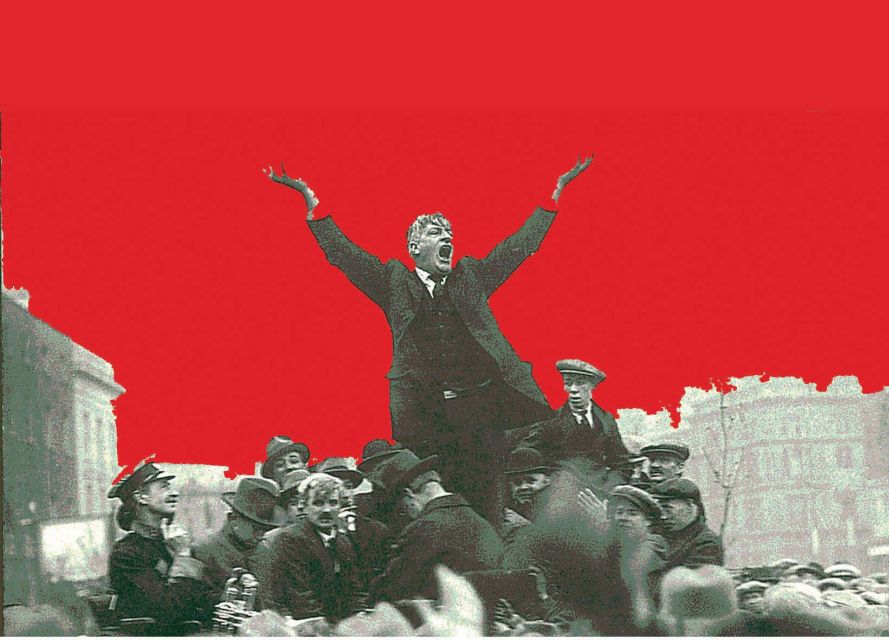
You will move through central Dublin and hit places like Dublin Castle, Temple Bar, City Hall, and the Medieval City, then connect it all to the bigger events that shaped Ireland. The tour covers everything from the American and French revolutions to the Potato Famine, the 1916 Rising, the War of Independence, and the Northern Ireland Peace Process, then brings you back to modern-day Dublin.
For planning, know that this is a walking tour, and reviews flag that you should wear solid shoes. On the plus side, the tour is wheelchair accessible, and it is designed as an easy walk with frequent stops to explain what you are seeing.
In This Review
- Key highlights worth knowing
- Start at Trinity College: the Henry Grattan Statue meet-up
- Dublin Castle and civic power: more than stone walls
- Temple Bar: the modern neighborhood with older roots
- City Hall: where the story turns to public life
- The Medieval City walk: street logic and short stops
- The timeline you will actually remember
- How the guides make history entertaining and answerable
- Price and value for a $22, two-hour walking tour
- Walking comfort, timing, and who should pick it
- Should you book this Dublin history walking tour?
- FAQ
- How long is the Historical 2-Hour Guided Walking Tour of Dublin?
- Where do I meet the guide?
- What does the tour price include?
- What is not included?
- Which sites will I see?
- Is the tour wheelchair accessible?
- Is the tour offered in English?
Key highlights worth knowing
- Trinity and UCD history graduates lead the tour, with an emphasis on clear storytelling
- Dublin Castle, Temple Bar, and City Hall plus a walk through the Medieval City core
- A tight timeline that links revolutions, famine, 1916, independence, and the Peace Process
- Humor and entertainment show up throughout, not just facts and dates
- Entrance fees are included as per the itinerary, but State Apartments are not included
- English narration is the only language, so plan for a fast, information-heavy session
Start at Trinity College: the Henry Grattan Statue meet-up
You kick off at the Henry Grattan Statue, directly opposite the front gate of Trinity College Dublin. The guide will be wearing an Authenticity Tours lanyard or badge, so you can quickly spot the right group without guesswork.
Why I think this matters: Trinity is one of those landmarks that instantly frames the day. You are starting in the part of Dublin where education, politics, and power have been braided together for centuries. From there, your route stays in the city center where you can actually absorb the feel of Dublin rather than bouncing on and off transport.
Practical note: since the tour runs for about two hours, you should plan on being out in daylight and sound. Dublin streets can be busy, and one review specifically praised that the guide’s voice carried clearly, which is a good sign if you worry about hearing history over traffic.
Dublin Castle and civic power: more than stone walls
One of the big anchors is Dublin Castle, a site you would recognize even if you have not studied Irish history. The tour’s value here is not just seeing the building, it is learning why the castle mattered, and how rule and resistance played out in Dublin’s everyday life.
You should also know the ticket details. Entrance fees are included where the itinerary calls for them, but State Apartments inside Dublin Castle are not included. If you care about those interior rooms specifically, you will need a separate plan. That said, this walking tour is structured to give you the historical context so you understand what you are looking at, even when you are not going deep into every room.
What to listen for as you approach the castle area: the tour connects Irish history to larger European shifts. The American and French revolutions are mentioned as part of the story, which helps explain why ideas about independence and governance became such powerful fuel in Ireland.
More Guided Walking Tours in Dublin



Temple Bar: the modern neighborhood with older roots
Temple Bar gets a lot of attention in Dublin, but the tour’s approach is more useful than just a photo stop. You are going to hear the layers behind the neighborhood, and how Dublin’s story runs from medieval city life to later political shocks and social change.
In practical terms, Temple Bar works because it is a location where modern Dublin is on full display. You get to do two things in one walk: see a lively central area, then hear how Dublin’s past shaped the city you are standing in right now.
A small detail that stood out in the reviews: guides sometimes point out physical reminders of conflict, like bullet holes, as part of the hidden history thread. You might see other small traces too. The lesson is simple, this tour is not only about big-name sites. It also trains you to notice what the city leaves behind.
City Hall: where the story turns to public life
City Hall is another stop that helps balance the tour. Dublin Castle speaks to authority and control, while City Hall pushes you toward civic life and governance. You start to see how power changes shape over time, even when it stays in the same general central area.
The tour’s strength is in linking those shifts to key historical moments. The 1916 Rising and the War of Independence are explicitly part of the walking story, so you are not just hearing isolated events. You are getting a narrative arc that explains how Dublin becomes the stage for national change.
If you like understanding cause and effect, this is one of the moments you will appreciate. The guide’s job is to connect what you see in stone and street layout with what was happening politically and socially.
More Irish streets taken slow:
- 90 Minute Dublin Walking tour and Sightseeing tips
★ 5.0 · 916 reviews - 2-Hour Historical Walking Tour from Dublin
★ 5.0 · 875 reviews - Dublin Traditional Irish 3 Course Meal Walking Tour with Local
★ 5.0 · 755 reviews - Dublin: Mythology, Folklore and Legends Walking Tour
★ 4.9 · 703 reviews
The Medieval City walk: street logic and short stops
After the landmark sites, you move through the Medieval City area, and this part is often where the tour feels most like real Dublin. Medieval city cores tend to teach you something even when you are not reading plaques. Narrow lanes, older street lines, and the way buildings front the road all signal how life was organized when Dublin looked very different.
Why this matters for a 2-hour tour: you get the sense of scale and continuity. It is easy to think of history as a sequence of dates. A medieval street walk forces history back into physical space, so the timeline feels more believable.
The guides are also good at keeping the walk lively with humor and personal angles. One review called out that the guide blended history with anecdotes, and another mentioned a guide singing verses tied to events. Even if you do not catch a song, the general style is consistent: you are meant to enjoy the storytelling while still leaving with a real understanding.
The timeline you will actually remember
This tour is built around a clear span of events, but it does not treat them like a textbook list. The tour mentions the influence of the American and French revolutions, the Potato Famine, the 1916 Rising, the War of Independence, and later the Northern Ireland Peace Process. Then it brings you back to modern day Dublin.
Here is how that helps you as a visitor. In Ireland, you will hear about politics, identity, and community everywhere, from pub conversation to the names on memorials. Without context, it can feel like random background noise. With this tour’s structure, you get a framework for what those references are pointing to.
A favorite aspect from reviews is how guides keep the sequence chronological and organized, even though the subject is complicated. One reviewer specifically praised that the tour assembled bits and pieces of history in order and emphasized Dublin’s role in it all.
Yes, it can be fact-heavy. One review noted that you need good English skills to follow everything. So if your English is solid but not fast, pay attention early. The first 20 minutes set the map.
How the guides make history entertaining and answerable
You will hear the same theme across highly rated experiences: the best part is the guide. This tour is led by history grads, and the reviews repeatedly mention their confidence, clarity, and sense of humor.
Some names that show up in the feedback: Jodie, Colm, Daragh, Eoin, Grace, Nate, and Tommy. One guide, Jody Fitzpatrick, was described as an actor as well as a history graduate, which helps explain why the delivery can feel theatrical without turning it into fluff.
What I like about this style is that it respects your attention span. The guides seem to pack a lot into two hours, but they still make space for questions. Reviews mention that guides took questions with ease and answered curiosity directly, which turns the tour from a one-way lecture into a real conversation.
If you like a back-and-forth experience, you will probably appreciate the tone. And if you do not, you can still follow the main narrative because the tour is structured around major sites and major events.
Price and value for a $22, two-hour walking tour
At $22 per person for about two hours, this tour is priced like a practical add-on that fits into a Dublin trip without eating your whole day. The value comes from two things you typically do not get together: multiple top landmarks in one loop, and included entrance fees as needed by the itinerary.
It is also a good deal if you are trying to understand Dublin quickly. A walking tour like this can become a mental shortcut. You see the major sites, then you leave with context that makes the rest of your trip easier, especially if you plan to visit Ireland’s other historic towns.
The one value tradeoff: because State Apartments are not included at Dublin Castle, you may still want a separate ticket if interiors are your priority. But if your goal is orientation and context, the included stops do the job.
Walking comfort, timing, and who should pick it
This is a central city walk, and reviews recommend bringing good walking shoes. Even if the pace is handled by the guide, you are still on your feet for two hours, with multiple stops for explanations.
Timing is also simple but important. It runs for two hours, and you can check availability to find starting times. Plan your day around it so you are not rushing to dinner or a theater show immediately after, especially if you like asking questions.
Who this suits best:
- First-time visitors who want context fast and want to see the major sights
- History lovers who like a chronological story across eras
- Travelers who want a guide who can explain why events mattered, not just what happened
Who might find it less ideal:
- People who prefer slow, museum-style pacing
- Anyone who struggles to follow English lectures with lots of names and dates
Should you book this Dublin history walking tour?
Yes, I would book it if you want the quickest path to understanding Dublin’s role in modern Irish history. For the price, you get a focused route through Dublin Castle, Temple Bar, City Hall, and the Medieval City, plus a story that connects revolutionary ideas, famine, rebellion, independence, and the later Peace Process.
I would hesitate only if you want a long, leisurely tour or if you specifically want the interior State Apartments at Dublin Castle. In that case, plan another visit for the castle interiors separately.
FAQ
How long is the Historical 2-Hour Guided Walking Tour of Dublin?
The tour lasts 2 hours. Starting times depend on availability.
Where do I meet the guide?
Meet your guide at the Henry Grattan Statue opposite the front gate of Trinity College Dublin. The guide wears a lanyard or badge with Authenticity Tours.
What does the tour price include?
Entrance fees are included as per the itinerary, and you get a local guide.
What is not included?
Entrance into the State Apartments in Dublin Castle is not included, and personal expenses are not included.
Which sites will I see?
You will see Dublin Castle, Temple Bar, City Hall, and you will walk through the Medieval City.
Is the tour wheelchair accessible?
Yes, the tour is wheelchair accessible.
Is the tour offered in English?
Yes, the live tour guide is English.
Rebellions Retold
- Dublin Historical Centre Food Tour with 8 Food Tastings & Drinks
★ 5.0 · 1,718 reviews - Dublin to Cork, Blarney Castle & Cóbh Heritage Centre by train
★ 4.5 · 510 reviews - Dublin: Jeanie Johnston Tall Ship Irish Famine History Tour
★ 4.8 · 431 reviews - Dublin’s Haunted History Walking Tour
★ 4.3 · 345 reviews
Latest to join the session in Dublin







Historical Tours, compared.

Dublin Historical Centre Food Tour with 8 Food Tastings & Drinks
Read our review →
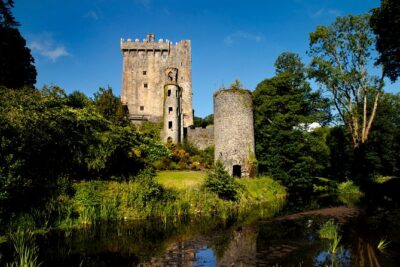
Dublin to Cork, Blarney Castle & Cóbh Heritage Centre by train
Read our review →
Jeanie Johnston Tall Ship Irish Famine History Tour
Read our review →

Deliciously Dublin: The Artisan Donut Walking & History Tour
Read our review →
Browse the lists this tour appears in