
Reviewed · HISTORICAL TOURS
Dublin LGBTQ Pride Historical and Cultural Walking Tour
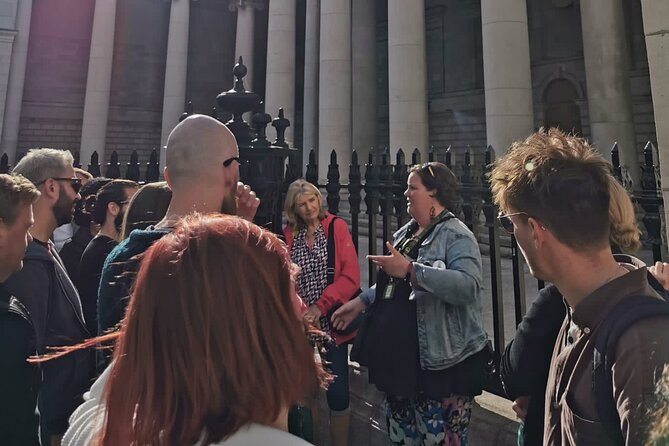
Dublin Pride history is right where you are. This walking tour threads together major queer milestones and real Dublin landmarks, using a simple center-city route that you can enjoy whether you are here for Pride or just curious about how communities found space. You will get the emotional story, plus the practical wayfinding you want in a city as storied as Dublin.
I especially like how the tour mixes landmark “Dublin stuff” with LGBTQ+ sites you would probably miss on your own. The route also shines at the places where people tried, failed, rallied, and kept going, from Temple Bar to George Bar.
One consideration: Trinity College Dublin requires paid entry, while most other stops are free as part of the tour. Plan for that extra cost if you want the full college setting.
In This Review
- Quick Hits: What Makes This Tour Worth Your Time
- Pride-Worthy Orientation in Temple Bar and Center City
- Price and Value: Why $29.02 Makes Sense for a 2-Hour Walk
- Getting Your Bearings: Meet at 3 Crown Alley, End at Dublin Castle
- Temple Bar First Stop: HQ Energy and Street-Level Queer Stories
- Crossing into 1916 Context: GPO Museum and the Easter Rising Link
- Abbey Theatre: Performance, Visibility, and Irish LGBTQ+ Icons
- Liberty Hall: Pride, Hard Times, and Trans Activism in the Mix
- Trinity College Dublin: Alumni Footsteps and the One Ticketed Moment
- Meeting House Square by Sean Harrington Architects: 1980s Hope and Change
- Anna Livia and the River Feeling: City Myth Meets Identity
- Temple Bar, Again, Then George Bar: From Headquarters to a Living Pub Institution
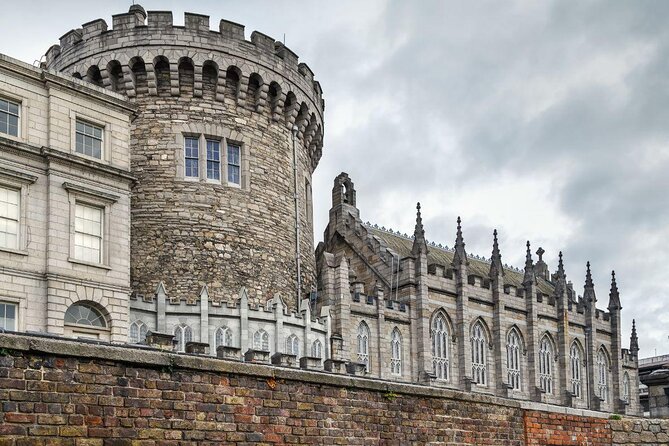
- Dublin Castle Finish: 1,200 Years of Context in the Upper Courtyard
- Guides Make the Difference: Deidre and Helena’s Storytelling Style
- Who This Tour Fits Best
- Should You Book This Dublin LGBTQ Pride Walking Tour?
- FAQ
- How long is the Dublin LGBTQ Pride Historical and Cultural Walking Tour?
- How much does the tour cost?
- Where does the tour start and end?
- What is included for admission tickets?
- Is the tour offered in English?
- Is there a mobile ticket?
- What is the group size limit?
- Is there any guidance on who should take it physically?
- Are service animals allowed?
- Is there a cancellation window?
Quick Hits: What Makes This Tour Worth Your Time
- Two hours of queer-focused context across central Dublin, with a route that is easy to follow on foot
- Temple Bar starts the story and ends near Dublin Castle, so you get both the fun district vibe and the official historic finish
- Strong guide energy, with Deidre and Helena repeatedly praised for making the stories clear and lively
- Easily photographed stops paired with real background, including the GPO Museum tied to 1916
- Hands-on Dublin orientation, since you cover major streets and squares in one go
Pride-Worthy Orientation in Temple Bar and Center City
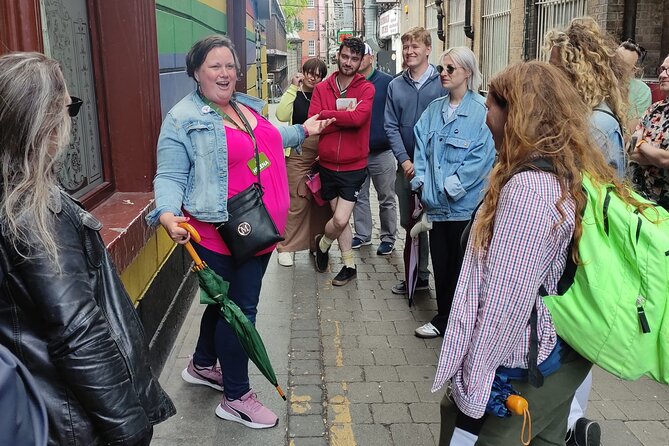
If Dublin is your first big city trip, you need two things: smart orientation and a reason to care about what you are seeing. This tour gives you both. You start in the Temple Bar area, right in the thick of the city center, and you end at Dublin Castle, one of the most recognizable historic anchors in town.
What makes it feel different is the lens. Instead of treating queer history like a side note, the tour uses Dublin’s well-known buildings and squares as the stage for LGBTQ+ and trans stories. You get a sense of how the city changed, where community life gathered, and how public events shaped private lives.
The group size is also capped at 100, which helps keep the experience organized and less chaotic than mega-tours. And based on the way the guides are described, it is also the kind of tour where questions can actually happen.
Price and Value: Why $29.02 Makes Sense for a 2-Hour Walk
At $29.02 per person for about two hours, this is priced like a classic walking tour, but with a sharper theme. Most of the tour stops are set up so you are not constantly paying entry fees. That is a big deal in Dublin, where ticketed attractions add up quickly.
The only major exception is Trinity College Dublin, where admission is not included. So you should treat this as a “mostly free-site” tour with one ticketed stop you may want to plan for. If you already expected to visit Trinity, the math gets even better because you are doing it with guided context rather than just wandering.
Also, the tour uses a mobile ticket. That is simple but practical, especially if you are bouncing between museums and pub stops later.
More Guided Walking Tours in Dublin


Getting Your Bearings: Meet at 3 Crown Alley, End at Dublin Castle
The meeting point is at 3 Crown Alley, Temple Bar. That is a convenient starting choice because Temple Bar is easy to find, easy to navigate around, and full of places to grab a snack or coffee after the walk.
The tour ends at the upper courtyard of Dublin Castle, which is a satisfying finish. It gives you a historic bookend and a natural “stop walking, start exploring” moment. If your afternoon plans are flexible, you can easily pivot from the tour into castle grounds, nearby streets, or just a slower browse of the center.
Because the tour is near public transportation, you can also slot it into your travel day without forcing a huge detour. And since the physical fitness level needed is described as moderate, it is not a marathon, but you should still wear shoes that can handle city sidewalks comfortably.
Temple Bar First Stop: HQ Energy and Street-Level Queer Stories
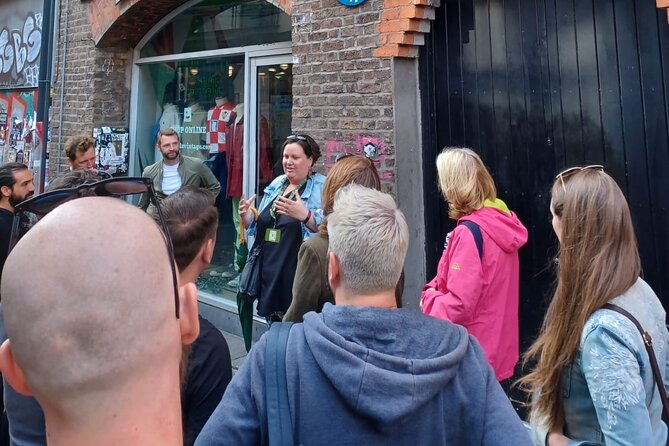
You start right in Temple Bar and you do not waste time. The tour gets you into the area’s energy immediately, then uses that location to talk about how queer community life found space in Dublin.
One highlight is the stop connected to Temple Bar’s LGBTQ+ headquarters side, where the story goes beyond history into day-to-day community culture. The tour mentions a setup with a café, a disco, and a cinema, which matters because queer history is not only court cases and headlines. It is also social life, art, and places where people could be themselves without performing survival every moment.
The Temple Bar area also gives you great walking-tour momentum. You will see the kind of streets and corners you would normally pass in a quick photo stop. Here, you slow down and connect the visuals to the people behind them.
More Irish streets taken slow:
- 90 Minute Dublin Walking tour and Sightseeing tips
★ 5.0 · 916 reviews - 2-Hour Historical Walking Tour from Dublin
★ 5.0 · 875 reviews - Historical 2-Hour Guided Walking Tour of Dublin
★ 4.7 · 865 reviews - Dublin Traditional Irish 3 Course Meal Walking Tour with Local
★ 5.0 · 755 reviews
Crossing into 1916 Context: GPO Museum and the Easter Rising Link
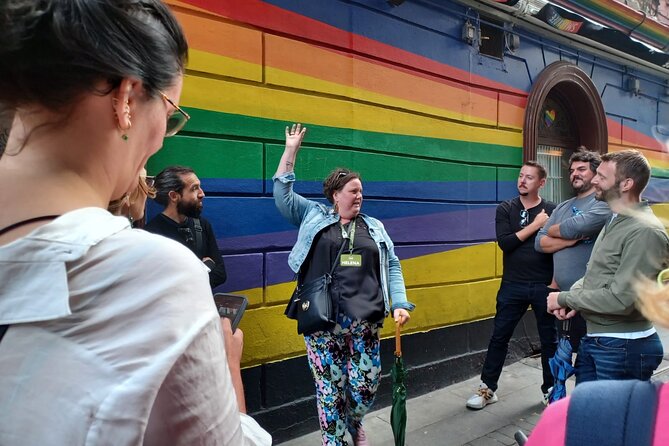
Next comes the GPO Museum, framed in the story of the 1916 Easter Rising. Even if you have a basic idea of the Rising, this stop changes the usual focus by bringing in gay figures who played roles in the week’s events, and how they are remembered.
This is one of those stops that helps you understand why history is not one straight line. It is a tangle of identities, politics, and risk. The tour uses a major Dublin landmark to show that queer people were present in pivotal national moments, not hidden in the margins.
It also works well if you are the kind of visitor who likes to tie big national events to specific locations. Dublin’s center is compact enough that the story can feel real rather than textbook-thin.
Abbey Theatre: Performance, Visibility, and Irish LGBTQ+ Icons
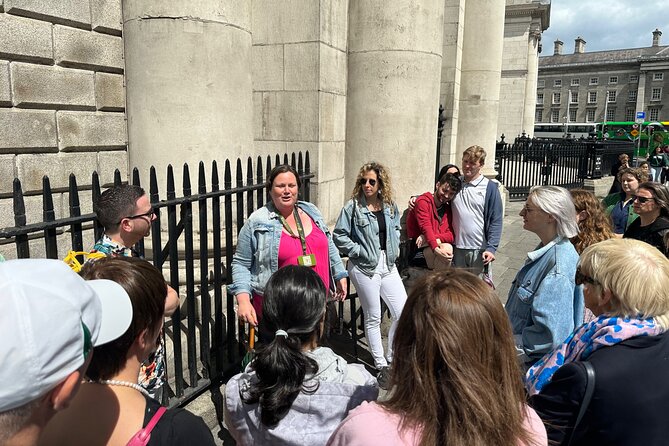
Then you head to the Abbey Theatre, described as Ireland’s national stage. Here, the tour connects performance culture to queer visibility and to influential LGBTQ+ icons tied to Ireland’s modern landscape.
Why this stop is so valuable: theatre is one of the ways societies argue with themselves out loud. When queer writers, performers, or public figures gain recognition, you get a shift from silence to language. This stop helps you see that change as something built over time, not as a sudden breakthrough.
If you like arts and culture, you will appreciate that the tour does not treat the Abbey Theatre as just an impressive building. It uses the stage connection to explain how modern identity narratives can be shaped through storytelling.
Liberty Hall: Pride, Hard Times, and Trans Activism in the Mix
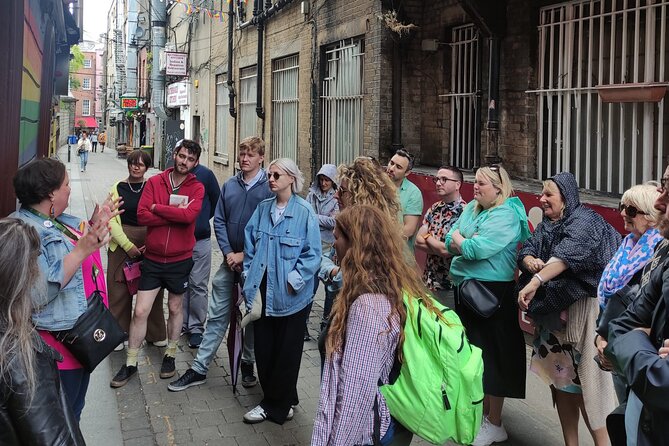
Liberty Hall is where the tone turns more complicated and heavier. The tour looks at the tragic and turbulent circumstances around Ireland’s first ever gay pride parade, plus it highlights an inspirational trans activist.
This is the kind of stop that makes you think about courage in a new way. Pride, at its best, is joy paired with political refusal. The tour emphasizes that early pride efforts were not only celebrations. They were also fights against ridicule, fear, and real danger.
If you want your tour to be more than sightseeing, this is one of the reasons to pick it. You leave with a clearer sense of why rights movements matter, and why progress is never guaranteed just because people want it.
Trinity College Dublin: Alumni Footsteps and the One Ticketed Moment
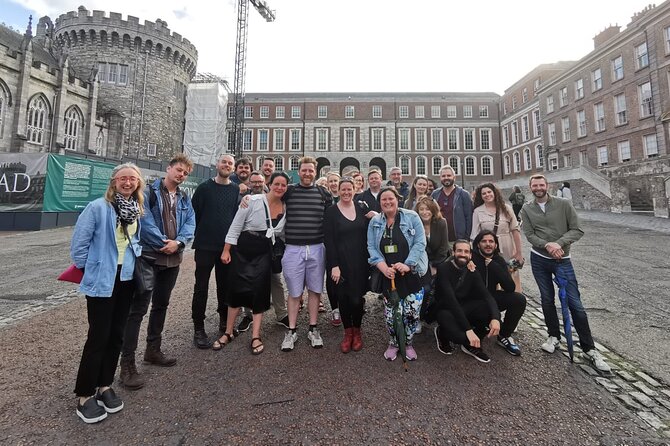
Trinity College Dublin is next, and this is a smart choice for two reasons. First, it is one of the oldest and most famous colleges in Ireland, so the setting instantly signals “institutional history.” Second, the tour uses the campus, including the College Green area, to point out famous LGBTQI+ alumni who passed beneath the famous old arch.
This stop is ideal if you enjoy walking through historic campuses and picking up specific human connections rather than just admiring architecture. It is also a useful way to structure your time, because Trinity is often on a visitor’s list anyway.
Just remember the detail that matters for your budget: Trinity College Dublin admission is not included in the tour. Plan to pay that entry ticket separately if you want to fully enjoy the college setting.
Meeting House Square by Sean Harrington Architects: 1980s Hope and Change
The tour circles back through Temple Bar, then moves to Meeting House Square by Sean Harrington Architects. This is where the story gets more personal and more “thinking person” focused.
The emphasis here is on the changing landscape of queer Dublin in the 1980s, with attention on people who brought hope and light to the community. The tour also highlights great thinkers and change makers of the time.
This stop works especially well if you want the tour to feel like a conversation with ideas, not only a list of places. It helps you understand queer history as a lived culture, not just a sequence of events.
If you are the type who likes to look at buildings and squares and ask what happened there, you will enjoy this one. It gives you a way to read public spaces.
Anna Livia and the River Feeling: City Myth Meets Identity
Then you get a Dublin moment that is easy to miss in a rushed trip: Anna Livia. The tour points you to the capital’s fabled waterway and has you straddle it on both sides during the walk.
Why this stop matters: it slows things down and returns you to a very Dublin kind of atmosphere. You are not always in museums or institutional buildings. Sometimes queer history is carried through street life, through symbols, through the way a city tells stories about itself.
You also get a reset in walking energy. It is a natural pause that makes the rest of the tour feel connected rather than nonstop.
Temple Bar, Again, Then George Bar: From Headquarters to a Living Pub Institution
Back in Temple Bar, the tour shifts to the site of Ireland’s first ever bona fide gay headquarters, described as a place with a café, disco, cinema, and more. This is the part where the theme becomes very practical: community spaces can look like entertainment and gathering, but they are also infrastructure.
From there, you go to The George Bar, described as Dublin’s oldest operating gay bar and a cultural institution. This is one of the best kinds of stops for any walking tour: you end up at a living, functioning place, not just a plaque.
It helps you connect history to what is still available now. If you like ending tours somewhere with atmosphere, this is a solid choice because you can keep the conversation going after the walk.
Dublin Castle Finish: 1,200 Years of Context in the Upper Courtyard
The tour finishes at Dublin Castle, specifically the upper courtyard. The setting is framed as 1,200 years of history, with the stop focused on the center’s 18th-century splendour.
This ending makes a lot of sense. After spending time learning about how queer communities navigated public life, you end at a symbol of state power and historic Dublin. It is a fitting contrast: the city that shaped policies is also the city that communities shaped through persistence.
If you have more time, you can treat the tour ending as your cue to explore the castle area at your own pace. Even if you only spend a few minutes taking photos, you get a strong mental bookmark for your trip.
Guides Make the Difference: Deidre and Helena’s Storytelling Style
Two guide names come up again and again: Deidre and Helena. The praise you see in their style is consistent. People describe them as energetic, passionate, and highly engaged.
What you can take from that, even before you book, is that the tour is likely built around strong storytelling rather than a rigid lecture. For you, that usually means you will understand the connections between sites faster. It also means the walk stays fun, even when the content becomes heavy at stops like Liberty Hall.
If you want to feel confident that you are getting more than standard landmark commentary, this tour’s guide reputation is a big selling point.
Who This Tour Fits Best
This experience is a great fit if you want:
- A Dublin city-center walk that ties together iconic buildings with queer milestones
- A tour that treats LGBTQ+ and trans history as part of national life, not a side sidebar
- A way to learn while walking, with a route that keeps you moving through Temple Bar, Trinity, and Dublin Castle
It is also a good match for visitors who like a structured plan but still want space to wander after. The route covers enough major sights that you will feel like you did real work, but it is not so long that you lose your whole day.
If you are sensitive to hard topics, plan mentally for the Liberty Hall segment, since it focuses on difficult circumstances around early pride efforts.
Should You Book This Dublin LGBTQ Pride Walking Tour?
I think you should book it if you want a guided walk that connects Dublin landmarks to real queer and trans history, in a way that feels both educational and human. The value is strong for the price because most stops are free to experience as part of the tour, and you are only dealing with one clear ticketed exception at Trinity College Dublin.
Skip it only if you do not want to pay any additional admission during a tour, or if you prefer purely celebratory Pride content without the harder realities. Otherwise, this is one of those “two-hour course-correction” tours. It helps you see Dublin differently for the rest of your trip.
FAQ
How long is the Dublin LGBTQ Pride Historical and Cultural Walking Tour?
It lasts about 2 hours.
How much does the tour cost?
The price is $29.02 per person.
Where does the tour start and end?
You start at 3 Crown Alley, Temple Bar, Dublin (D02 CX67), and you end at the upper courtyard of Dublin Castle.
What is included for admission tickets?
Most stops list admission ticket free, but admission for Trinity College Dublin is not included.
Is the tour offered in English?
Yes, it is offered in English.
Is there a mobile ticket?
Yes, the tour uses a mobile ticket.
What is the group size limit?
The maximum number of travelers is 100.
Is there any guidance on who should take it physically?
The tour notes a moderate physical fitness level is recommended.
Are service animals allowed?
Yes, service animals are allowed.
Is there a cancellation window?
Free cancellation is available up to 24 hours in advance for a full refund.
Rebellions Retold
- Dublin Historical Centre Food Tour with 8 Food Tastings & Drinks
★ 5.0 · 1,718 reviews - Dublin to Cork, Blarney Castle & Cóbh Heritage Centre by train
★ 4.5 · 510 reviews - Dublin: Jeanie Johnston Tall Ship Irish Famine History Tour
★ 4.8 · 431 reviews - Dublin’s Haunted History Walking Tour
★ 4.3 · 345 reviews
Latest to join the session in Dublin






Historical Tours, compared.

Dublin Historical Centre Food Tour with 8 Food Tastings & Drinks
Read our review →

Historical 2-Hour Guided Walking Tour of Dublin
Read our review →
Dublin to Cork, Blarney Castle & Cóbh Heritage Centre by train
Read our review →
Jeanie Johnston Tall Ship Irish Famine History Tour
Read our review →

Deliciously Dublin: The Artisan Donut Walking & History Tour
Read our review →Browse the lists this tour appears in