
Reviewed · HISTORICAL TOURS
Historical Walking Tour of Dublin
One walk, three powerhouses of Dublin. You get a small-group stroll with a clear route, starting at the Spire on O’Connell Street and ending at the Ha’penny Bridge Inn, plus big cultural stops like Trinity College and its Book of Kells context. I also like that the story is tied to Ireland’s push for independence, not just random landmarks. The main consideration: some admission tickets are not included, so you should budget extra cash if you want to go inside.
This is built for people who want a smart afternoon plan without wrestling a map for every turn. It runs about 1 hour 45 minutes, max 15 travelers, and the guide keeps it moving at a comfortable walking pace. If you hate paying entry fees on top of your tour ticket, this may feel a bit like a scavenger hunt unless you bring a little extra money.
In This Review
- Key things to know before you go
- Price and value for this Dublin walking plan
- The route, timing, and what the day feels like
- Stop 1: An Post General Post Office and the 1916 Rising story
- Stop 2: Trinity College Dublin, College Green, and Book of Kells context
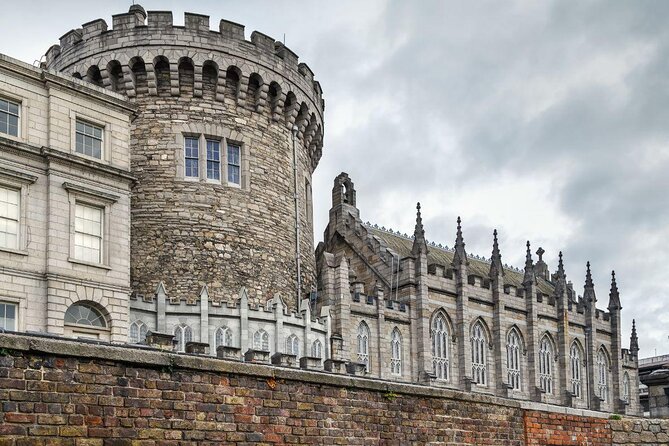
- Stop 3: Dublin Castle and how power plays out in stone
- Small-group feel that keeps the stories human
- The practical “before you go” checklist
- Where this tour fits in your Dublin itinerary
- Authentic Dublin moments you can plan around
- Who should book this tour, and who might skip it
- Should you book the Historic Walking Tour of Dublin?
- FAQ
- How long is the Dublin historical walking tour?
- Where does the tour start?
- Where does the tour end?
- What is the tour price per person?
- How big is the group?
- Is the tour in English?
- Are admission tickets included?
- Is there a mobile ticket?
- Is service animal access allowed?
- What if weather is bad?
Key things to know before you go
- Easy start and end points: Meet at the Spire, O’Connell Street Upper, and finish at the Ha’penny Bridge Inn by the bridge.
- Max 15 in your group: Small size means more questions and a more personal feel.
- 1916 Rising focus starts at the GPO: You begin at the building tied to the Easter Rising.
- Trinity College is a must-know stop: Expect the Long Room and Book of Kells to come up, with entry not included.
- Build in extra cash: Not all admission tickets are included, so plan for paid entry if you want to see interiors.
Price and value for this Dublin walking plan
At $32.44 per person for about 1 hour 45 minutes, you’re paying for guided storytelling plus a route that hits major sites in a single afternoon block. That price is most worth it if you want history explained in plain language and you like walking instead of hopping between taxis.
Two things decide whether you’ll feel like you got a deal: group size and entry fees. Since the tour is small, you usually get better interaction than on bigger bus-style walks. And because admission tickets aren’t included for every stop, your total cost can rise quickly if you plan to enter places rather than view only the exterior.
A smart way to handle it: decide ahead of time which interiors you truly care about, then bring enough cash for those spots. That keeps the tour fun instead of financially stressful.
The route, timing, and what the day feels like
The tour starts at 1:00 pm, with a meeting point at The Spire on O’Connell Street Upper. You finish at or near the Ha’penny Bridge Inn on Wellington Quay in Temple Bar, right by the famous bridge.
That start and finish combo is practical. It puts you near central Dublin rail and bus connections before the walk, and it dumps you into an area where it’s easy to keep exploring after the tour ends. It also means you can pair this with other afternoon stops in the same zone, instead of crisscrossing the city.
With about 1 hour 45 minutes total and around 10 minutes per main stop, you should expect a steady rhythm: brief scene-setting outside, key details delivered by the guide, then you move on. If you prefer long museum time, you’ll likely treat this as your context-setting “foundation layer.”
More Guided Walking Tours in Dublin



Stop 1: An Post General Post Office and the 1916 Rising story
Your first stop is An Post General Post Office, the central site tied to the 1916 Easter Rising. This is the moment where the tour’s theme becomes clear: the buildings and streets you see are connected to political choices, risk, and consequences.
From here, you learn how Irish republicans in 1916 seized key locations and proclaimed an Irish Republic. The big point is not just what happened, but why it mattered: the uprising failed at the time due to limited public support and Britain’s military strength, yet the GPO’s symbolic role stayed powerful.
This stop tends to work well because it’s grounded. You’re standing where decisions were made and where the story still echoes in Dublin’s identity. It’s a great anchor for anyone who has heard the name 1916 but wants a clear sequence of events.
One drawback to consider: admission for this stop isn’t included. If you want to go inside beyond the exterior, set aside time and extra money. If your goal is mainly orientation and narrative, you can still enjoy it without adding entry fees.
Stop 2: Trinity College Dublin, College Green, and Book of Kells context
Next, you head to Trinity College Dublin, with the tour route stopping outside around College Green. Even without stepping inside, this part can land hard because Trinity is so tied to Ireland’s academic identity, and it’s physically surrounded by the kind of campus energy that makes the past feel close.
Trinity was founded in 1592, and the tour frames it as more than a pretty campus. You get context that ties the site to the Book of Kells and the Long Room in the Old Library, both of which are key reasons many people visit.
What I like about this stop is the pacing: the tour doesn’t try to cram a full library visit into a short walking segment. Instead, it gives you enough story and orientation that if you later purchase entry to see the Long Room, it feels like you’re returning to something you already understand.
The tradeoff is, again, money. The tour includes information, but admission tickets aren’t included. If you specifically want to see the Book of Kells and Long Room, plan for that as a separate add-on so you’re not scrambling mid-walk.
Also note what you may not get here: the tour stop is built around learning from the outside and the area right around Trinity. If you want lots of quiet time inside, you’ll want to come back later on your own schedule.
More Irish streets taken slow:
- 90 Minute Dublin Walking tour and Sightseeing tips
★ 5.0 · 916 reviews - 2-Hour Historical Walking Tour from Dublin
★ 5.0 · 875 reviews - Historical 2-Hour Guided Walking Tour of Dublin
★ 4.7 · 865 reviews - Dublin Traditional Irish 3 Course Meal Walking Tour with Local
★ 5.0 · 755 reviews
Stop 3: Dublin Castle and how power plays out in stone
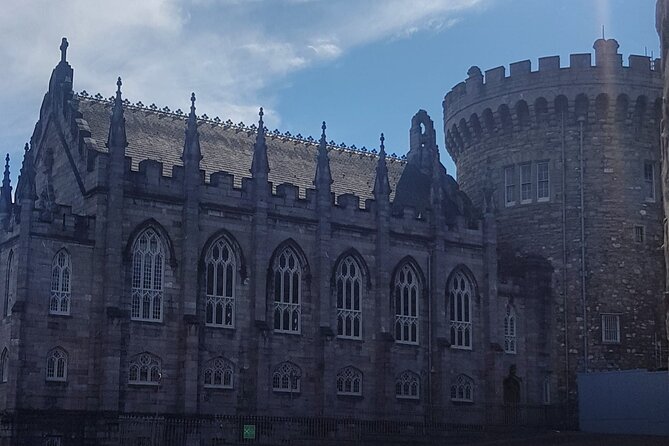
The final major historical stop is Dublin Castle, where the focus is on how the site connects to city governance and its role in the 1916 Rebellion.
This is a different angle from the GPO. The GPO represents rebellion and proclamation, while a seat of authority like Dublin Castle helps explain the system the rebels were pushing against. It’s a useful contrast for anyone who only expects one kind of history in one kind of building.
Even if you’re not a deep-history person, this stop helps you read the city better. You start to see how Dublin’s most famous locations are not random. They were built to channel power, administration, and public life, and then major events turned those spaces into symbols.
Like the earlier stops, admission isn’t included. If you want interior areas or guided castle access, bring extra cash and expect to add a bit of time beyond the tour’s walking plan.
Small-group feel that keeps the stories human
This is a maximum 15 travelers experience, and that size matters more than it sounds. Smaller groups typically mean you’re not being rushed through like a bus line, and it’s easier to ask a question when something sparks your curiosity.
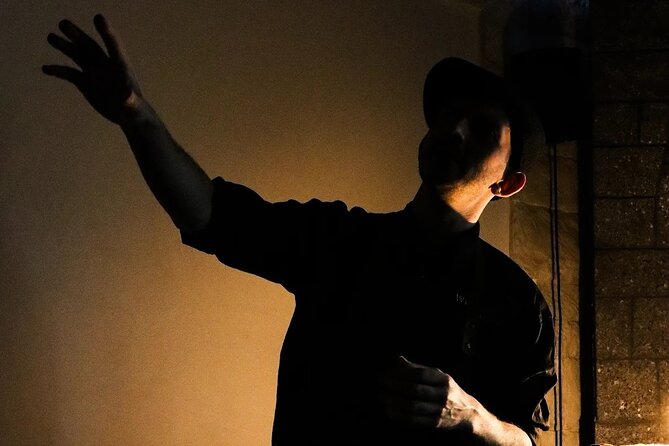
One theme that comes up around this tour format is the guide style: the storytelling tends to be energetic, funny, and practical. People also mention that the guide gives personal opinions and tips that go beyond textbook history, especially around where to eat and drink.
That matters because Dublin isn’t only museums and plaques. It’s a city where pubs and everyday life are part of the cultural fabric, so hearing what to do after you learn the facts can make your afternoon feel connected.
Also, if you’re traveling with mixed ages or you want a plan that doesn’t demand total stamina, the walking structure helps. It’s active enough to feel like you did something, but not so long that you feel wrecked at the end.
The practical “before you go” checklist
Because not all admission tickets are included, your biggest prep is financial and logistical, not physical.
Bring:
- Enough cash for the interiors you want to visit (GPO, Trinity, Dublin Castle, depending on what appeals most)
- A phone for the mobile ticket
- Comfortable shoes for city pavements
- A light layer, since this is a walking experience and Ireland weather can change fast
Also, the tour requires good weather. If the weather turns, you may be offered a different date or a full refund, so keep an eye on conditions the day of.
If service animals are part of your plans, they’re allowed. And since it’s near public transportation, you’re not stuck if you need to adjust your schedule.
Where this tour fits in your Dublin itinerary
I think this works best as an early-to-mid afternoon history anchor, especially if it helps you find your footing in central Dublin. With the meeting point near O’Connell Street and the finish by the Ha’penny Bridge, you’ll be well-positioned for more exploring right after.
It also pairs nicely with other “first timer” priorities. Trinity and Dublin Castle are major stops, and the GPO gives you the 1916 context that makes later sites click into place.
If you only have a short visit, this is a strong option because it covers three big themes in one go. If you have more time, treat it as the narrative that improves the value of any later museum or interior visits you choose.
Authentic Dublin moments you can plan around
One reason this tour gets praised is how it blends formal history with real city culture. People often talk about a hands-on beer moment tied to Guinness, plus pub suggestions that are meant to be used, not just mentioned.
Even if you’re not there for nightlife, that kind of local detail helps you understand Dublin as a living place. It’s not only about monuments. It’s about how people spend evenings, where they like to eat, and how the city’s stories play out in everyday choices.
If you want that side of Dublin, arrive ready to ask the guide where to go next. The tour’s finish near Temple Bar makes it easy to turn suggestions into action.
Who should book this tour, and who might skip it
Book this if:
- You want a small-group guided walk with clear, central stops
- You care about Ireland’s independence story and want it explained in a way that’s easy to follow
- You plan to spend time inside at least one of the major sites (or you want the option)
Skip or reconsider if:
- You hate paying extra for entrances after buying a tour ticket
- You prefer slower, more hands-on museum time instead of a “walk and talk” format
- You want fully inclusive tickets for every stop without budgeting for add-ons
If you fall in the middle, I’d still lean toward booking. Just decide which interior you really want, then treat the rest as exterior context.
Should you book the Historic Walking Tour of Dublin?
Yes, if you like smart walking tours that give you context fast. The location flow is practical, the group size is friendly, and the route hits three of Dublin’s most important historical anchors: the GPO, Trinity College, and Dublin Castle.
You should book with two eyes open. One, some entry tickets are not included, so bring extra money for interior visits. Two, the tour is about learning through short stops, not replacing a full day of museums.
If you want a strong afternoon plan with a high satisfaction level, this one has a 4.9 rating out of 5 and 98% recommended. That’s a good sign for a history walk, especially when the price is reasonable and the route keeps you in central Dublin with an easy finish by the Ha’penny Bridge.
FAQ
How long is the Dublin historical walking tour?
It runs about 1 hour 45 minutes.
Where does the tour start?
The meeting point is The Spire, O’Connell Street Upper, North City, Dublin.
Where does the tour end?
The tour ends at or near the Ha’penny Bridge Inn at 42 Wellington Quay, Temple Bar.
What is the tour price per person?
The price is $32.44 per person.
How big is the group?
The tour is limited to a maximum of 15 travelers.
Is the tour in English?
Yes, it is offered in English.
Are admission tickets included?
Not all admission tickets are included, so you should bring extra cash if you want to enter the stops.
Is there a mobile ticket?
Yes, the tour uses a mobile ticket.
Is service animal access allowed?
Yes, service animals are allowed.
What if weather is bad?
The experience requires good weather. If it is canceled due to poor weather, you will be offered a different date or a full refund.
Rebellions Retold
- Dublin Historical Centre Food Tour with 8 Food Tastings & Drinks
★ 5.0 · 1,718 reviews - Dublin to Cork, Blarney Castle & Cóbh Heritage Centre by train
★ 4.5 · 510 reviews - Dublin: Jeanie Johnston Tall Ship Irish Famine History Tour
★ 4.8 · 431 reviews - Dublin’s Haunted History Walking Tour
★ 4.3 · 345 reviews
Latest to join the session in Dublin





Historical Tours, compared.

Dublin Historical Centre Food Tour with 8 Food Tastings & Drinks
Read our review →

Historical 2-Hour Guided Walking Tour of Dublin
Read our review →
Dublin to Cork, Blarney Castle & Cóbh Heritage Centre by train
Read our review →
Jeanie Johnston Tall Ship Irish Famine History Tour
Read our review →

Deliciously Dublin: The Artisan Donut Walking & History Tour
Read our review →Browse the lists this tour appears in