
Reviewed · WALKING TOURS
Private Walking Tour in Dublin
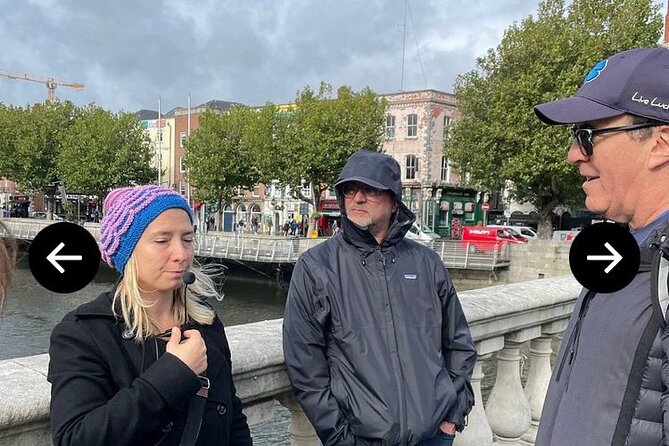
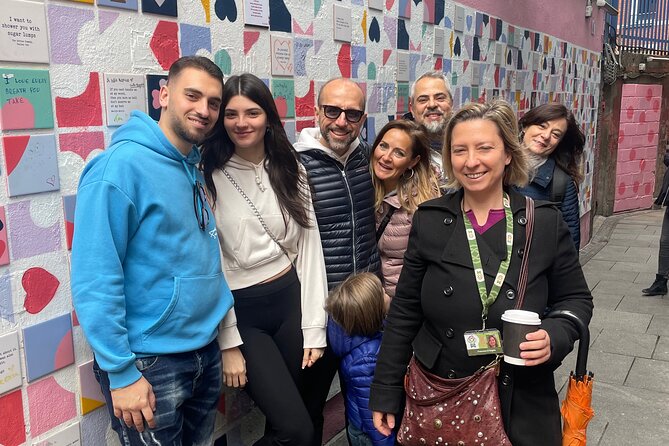
Dublin can feel like a history blur, but this private walking tour gives it a clean shape fast. You start at Trinity College Dublin, then move through the GPO Museum, the Spire, Ha’penny Bridge, and on to cathedrals and Dublin Castle, so you get big turning points in a short walk. I especially like how the route mixes Ireland’s education and culture with the city’s political scars, then finishes at the Molly Malone Statue so you can keep exploring afterward. The other thing I like is the guide flexibility, since people have said Francesca D’Angelo and other guides like Sinead, John, and Yvonne tailor the pace and recommendations to your group. One drawback to plan for: several major sights have admission tickets not included, so you should budget extra if you want to go inside everything.
You can also treat this as your orientation walk, because you’re shown where key areas sit relative to each other, not just what they look like. The tour hits the Liffey area, the medieval core, and the Liberties in a way that helps you picture Dublin on foot. That said, it’s still a walking tour, with short time windows at each stop, so if you love slow museum time, you may want to return to your favorites after.
In This Review
- Key things to know before you go
- Why This Dublin Private Walking Tour Fits a Short Stay
- Trinity College Dublin: Where the City’s Education Meets Its Big Names
- GPO Museum and the Easter Rising: Learning How Dublin Broke with the Past
- The Spire and Ha’penny Bridge: Two Quick Stops That Give You Perspective
- Temple Bar and Wood Quay: Old Streets, New Energy, and Viking Evidence
- Christ Church Cathedral and Dublin’s Medieval Power Center
- Dublin Castle: Seat of Control, Record Tower as a Survivor
- Saint Patrick’s Cathedral and George’s Street Arcade: Gothic Reverence Meets Victorian Retail
- George’s Street Arcade: An Old Shopping Center with Real Architecture
- Molly Malone Statue: The Finish Line and How to Keep the Story Going
- Price, Tickets, and Value: What $90.11 Really Buys You
- Pacing Tips, Comfort Notes, and Who This Tour Suits Best
- Should You Book This Private Walking Tour in Dublin?
- FAQ
- How long is the private walking tour in Dublin?
- Is the tour private and offered in English?
- Where does the tour start and end?
- Are admission tickets included for the stops?
- What is the cancellation policy?
- Does weather affect the tour?
Key things to know before you go
- A tight highlight loop in 2 to 3 hours: the pacing is built for seeing a lot without feeling trapped in one neighborhood
- Private, just your group: you’re not sharing the guide with strangers, and families can ask questions too
- Free photo stops plus paid-entry options: some landmarks are quick and easy, while others require separate admission
- Viking to British rule to independence markers: the story line ties the city’s layers together
- End near St. Stephen’s Green-adjacent sightseeing energy: finishing at Molly Malone helps you roll smoothly into the rest of your day
Why This Dublin Private Walking Tour Fits a Short Stay
This is the kind of tour I like when you only have a day or two and want to stop guessing. The whole route runs about 2 to 3 hours, with set stop times that keep you moving, but not rushed. And because it’s private, your guide can shift the emphasis if you care more about politics, architecture, or fun local stories.
You’ll start at Trinity College Dublin on College Green and end in front of the Molly Malone Statue on Suffolk Street. That matters, because it’s not a dead-end finish. After the walk, you’re in a central spot that’s easy to build into lunch, pub time, or a longer self-guided wander.
The price is $90.11 per person, which may sound steep if you only think of this as “a walk.” But you’re also paying for a guide who can connect the dots between sites, point out what’s worth your attention in each place, and send you off with good ideas for what to do next. People have specifically praised guides for recommending later plans and answering questions, which is exactly where guided value shows up.
One more practical note: the tour requires good weather. If rain or wind is strong, you may be offered a different date or a full refund, so you’ll want to keep an eye on forecasts and wear shoes you trust on wet pavement.
Trinity College Dublin: Where the City’s Education Meets Its Big Names
Your first stop is Trinity College Dublin, Ireland’s most prestigious university, founded in 1592 under Queen Elizabeth I. The timing here is about 20 minutes, which is perfect for an overview without turning it into a long campus detour.
What makes Trinity worth starting with is the scale. You’re not just looking at a building. You’re looking at a city-within-the-city, with more than 20,000 people working and studying there. Your guide can help you connect why a university becomes a cultural engine, not just a school.
You’ll also get a sense of famous graduates tied to Irish writing and theatre, including Oscar Wilde, Bram Stoker, and Jonathan Swift. That’s the kind of detail that turns a tour from a list of landmarks into a map of influences.
Important practical point: the Trinity admission ticket is not included. So if you want to step inside specific areas, you’ll need to pay separately. If you’re on a tight budget, you can still enjoy this stop from the outside and use the guide’s context to decide later whether an interior visit is worth it.
More Guided Walking Tours in Dublin



GPO Museum and the Easter Rising: Learning How Dublin Broke with the Past
Next you head to the GPO Museum in an elegant Georgian building. The stop time is around 15 minutes, and it’s one of those places where the walls do a lot of talking.
This building is tied to the 1916 Easter Rising. On Easter Monday, members of the Irish Volunteers and the Irish Citizen Army seized the GPO, and the bullet marks on the front pillars remain visible. If you’ve seen Dublin described as a place with layers of rebellion and renewal, this stop is where that idea becomes real.
Admission is not included here either, so you should treat the GPO as either:
- a quick, emotionally loaded orientation stop if you’re skipping the interior ticket, or
- a starting point for a deeper museum visit if you already know you want to learn the dates, names, and the sequence.
Either way, this is a strong early anchor. It reframes the rest of your walk, because later stops stop feeling like separate attractions and start feeling like chapters in the same story.
The Spire and Ha’penny Bridge: Two Quick Stops That Give You Perspective
Then the tour shifts to the Liffey corridor with two very short, very photo-friendly landmarks.
First is the Spire, officially the Monument of Light. It’s 120 metres tall and about 3 metres in diameter at the base, built to celebrate the new millennium. Expect it to be a quick moment, roughly 5 minutes, mostly about seeing the scale and understanding why modern Dublin places bold art statements right on the city skyline.
Next is Ha’penny Bridge, officially called the Liffey Bridge but famous as Ha’penny. It was built in 1816 and was once a tall bridge for more than 100 years, which is where the name comes from. Ha’penny literally refers to half a penny, a link to the toll history.
Both stops are free in terms of admission. They’re not meant to be long visits. They work as orientation markers, giving you an easy visual reference as you move through the city’s older and newer parts.
If you want a small tip: slow down for a minute at Ha’penny Bridge and look up and down the river. Even in a short time, it helps your brain connect the route you’re walking to the geography Dublin is built on.
More Private Tours in Dublin
- The Dublin Private Walking Tour
★ 5.0 · 701 reviews - Private Dublin Arrival Transfer – Airport to Hotel / Accommodation
★ 3.5 · 304 reviews - Private (Nearly!) All of Dublin in 5 hours (Walking Tour)
★ 5.0 · 281 reviews - Cliffs of Moher Private Award Winning Luxury Mercedes Car Tour
★ 5.0 · 176 reviews
Temple Bar and Wood Quay: Old Streets, New Energy, and Viking Evidence
After the river, you hit Temple Bar area for about 15 minutes. Temple Bar is Dublin’s best-known cultural and nightlife district, and you’ll walk through the neighborhood while your guide points out the kinds of secrets that don’t show up in brochures. The focus here is less about the night scene itself and more about understanding why this area became synonymous with Dublin identity, from pubs to live traditional Irish music and classic food choices.
Then you move to Wood Quay Amphitheatre, also about 15 minutes. This is a smart contrast stop. At the feet of the hill leading up to Christchurch, archaeologists discovered the biggest Viking settlements outside Scandinavia. The tour connects that to the reality that Vikings were both raiders and traders, and that they permanently settled in Dublin in 841 AD.
Admission is not an issue at these stops in terms of tour inclusions, since they are listed as free. But Wood Quay can be a bigger mindset shift than Temple Bar. It reminds you that Dublin’s story isn’t just medieval churches and British administration. There were earlier waves, and you can see how the city’s physical site matters.
Christ Church Cathedral and Dublin’s Medieval Power Center
You’ll then reach Christ Church Cathedral, in Dublin’s medieval district, with about 15 minutes allocated. Christ Church started as a Viking church and has welcomed visitors for almost 1,000 years. That alone makes it a layered stop, but the guide can help you notice the highlights without turning it into a scavenger hunt.
You’ll hear about Strongbow’s tomb and also a copy of the Magna Carta. Those details help explain why Dublin’s medieval buildings were not just local worship sites. They were tied to political reach and European history.
Admission for Christ Church is not included, so decide in advance how you want to spend your money. If you love cathedrals, you’ll likely appreciate the ticket. If you prefer to keep costs under control, you can still use the guide’s explanations to make the exterior and interior time feel more purposeful.
Dublin Castle: Seat of Control, Record Tower as a Survivor
Next up is Dublin Castle, about 20 minutes, and it’s a key “what power looked like” stop. The castle was the seat of the viceroy, the representative of the English monarch, from which English rule in Ireland ran for more than 700 years.
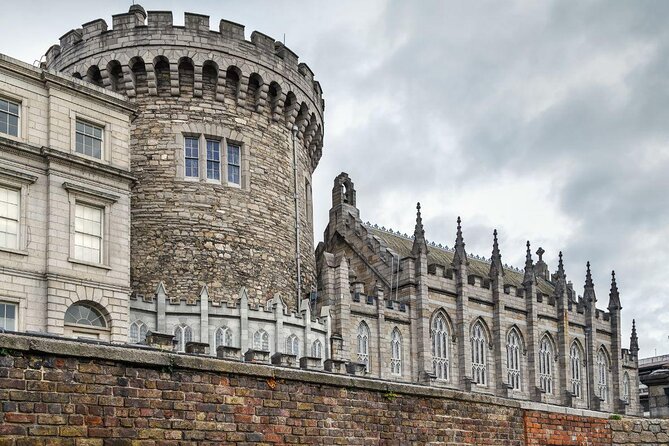
Your guide will point out that the Record Tower is the only remaining piece of the original medieval castle, while the other major parts you see today are State Apartments built in the 18th century. That mix of old and rebuilt architecture is exactly why guided context helps. Without it, you might see one building and miss the story of how power changed hands and how styles shifted over time.
Admission is not included here, so plan for the cost if you want more than the exterior and major viewpoints. Even without an interior visit, this stop is valuable because it gives you a framework for interpreting Irish history as a sequence of authority structures, resistance, and negotiations.
Saint Patrick’s Cathedral and George’s Street Arcade: Gothic Reverence Meets Victorian Retail
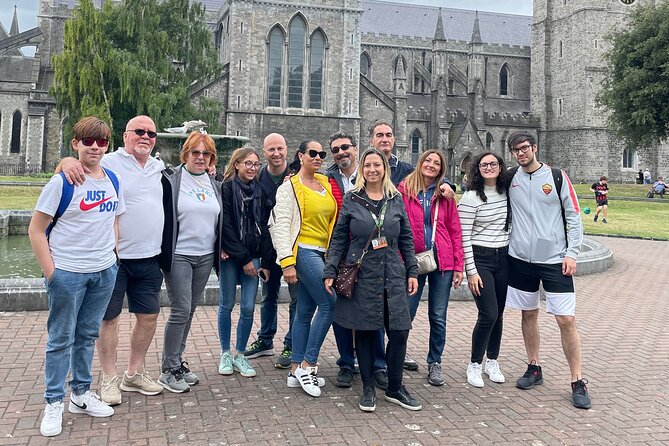
From the medieval political center, the tour moves to the Liberties for Saint Patrick’s Cathedral, about 15 minutes. Construction was completed between 1225 and 1270, honoring Ireland’s patron saint, St. Patrick.
This is also where the story gets personal and spiritual. The stop highlights that St. Patrick baptized the Irish Gaelic people, converting them to Christianity. The cathedral is described as a Gothic jewel, and it includes Jonathan Swift’s tomb, plus many other treasures.
Admission is not included here too. If cathedrals are your thing, you might decide this is worth adding to your ticket budget. If not, you still get real meaning from hearing how this site sits in Ireland’s identity.
George’s Street Arcade: An Old Shopping Center with Real Architecture
After Saint Patrick’s, you walk to George’s Street Arcade, about 5 minutes. This is one of those pauses that keeps the tour from turning into only monuments and institutions.
It’s described as Dublin’s oldest shopping centre, housed in Victorian-era architecture and part of South City Market buildings. The arcade has been open for almost 140 years, and it’s a good reminder that cities are always doing something practical, even while the big stories happen.
This stop is free for admission during the tour, so it’s a low-cost, high-reward break. If you’re hungry or shopping-minded, it’s also a practical moment to spot what’s near you for later.
Molly Malone Statue: The Finish Line and How to Keep the Story Going
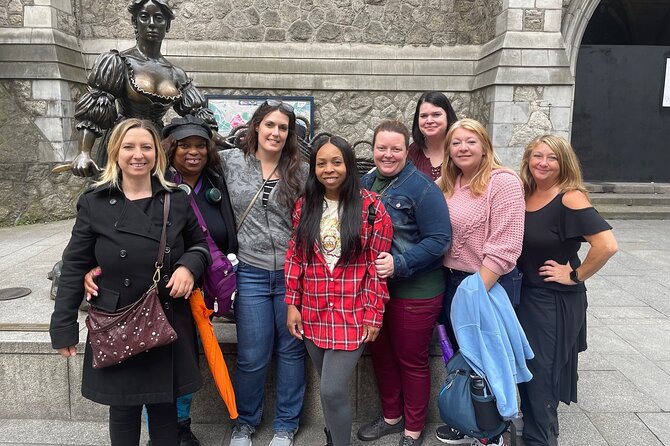
The last stop is the Molly Malone Statue, about 5 minutes, and it’s perfectly chosen as a closing note. Molly Malone was unveiled in 1988 to celebrate Dublin’s first millennium, and she’s the character behind the famous song Molly Malone, often treated as an unofficial Dublin anthem.
One interesting detail your guide can share is that there’s no certainty she existed. One theory suggests Molly Malone was based on a real woman who died in Dublin in 1699. That kind of uncertainty is common in folklore, but hearing it makes the legend feel less like a postcard and more like a living argument about identity.
This stop is free, and it’s a great place to end because it puts you near more pedestrian-friendly streets for lunch, coffee, or another neighborhood walk.
Price, Tickets, and Value: What $90.11 Really Buys You
The tour price is $90.11 per person. For that money, you’re not paying for admission tickets, since many major sites are listed as not included.
Here’s the straightforward way to think about the value:
- You’re paying for a guided route that strings together the city’s big themes efficiently.
- You’re paying for the guide’s explanations at each stop, which turn separate monuments into one story.
- You’re paying for private access, meaning you can ask questions and keep the pace aligned to your group.
Your separate ticket budget might matter. Based on the tour information, admission tickets are not included for:
- Trinity College Dublin
- GPO Museum
- Christ Church Cathedral
- Saint Patrick’s Cathedral
- Dublin Castle
Admission is free during the tour for:
- the Spire (Monument of Light)
- Ha’penny Bridge
- Temple Bar area
- Wood Quay Amphitheatre
- George’s Street Arcade
- the Molly Malone Statue
If you’re someone who wants to enter every ticketed site, the total cost will rise. If you’re comfortable doing quick exterior and orientation moments at some places, you can keep costs under control and still get a lot of meaning from the guide’s storytelling.
Pacing Tips, Comfort Notes, and Who This Tour Suits Best
This is a best-fit tour for people who want a structured walk with clear stops and timing. The short allocated minutes at each site mean you’ll see a lot, but you’re not meant to do deep research at every location. If you want to go inside, you can usually pick your must-visits and leave the rest as photo and context stops.
It also suits families. One review specifically mentioned a guide being accommodating for children ages 6 and 8, which is a strong sign the pacing can be manageable for kids who need shorter attention bursts.
Here’s what will make your experience smoother:
- wear comfortable walking shoes
- bring a layer, Dublin weather changes quickly
- if you care about interior tickets, decide before you start which 1 or 2 places are absolute musts
And because this is a private walking tour, you should feel comfortable telling your guide what you want. People have said Sinead, John, Francesca, and Yvonne tailored tours, asked questions, and made recommendations for what to do later. That flexibility is part of the value, not a bonus.
Should You Book This Private Walking Tour in Dublin?
Book it if you want a high-efficiency overview that connects Trinity College, Irish political history at the GPO Museum, Liffey landmarks like the Spire and Ha’penny Bridge, Viking-era evidence at Wood Quay, and the medieval power centers of Christ Church and Dublin Castle. It’s also a smart pick for first-time visitors because ending at the Molly Malone Statue keeps you centrally located for the rest of the day.
Skip or rethink if you already know you want to spend lots of time inside several big attractions and you hate walking between sites. Since many admission tickets are not included and each stop has a short time window, this tour works best as a guided framework, not a full, ticket-heavy museum day.
If you’re trying to choose between wandering on your own and having a plan, I’d lean toward the plan. This route helps you get your bearings fast, and you’ll know what you want to revisit once the story clicks.
FAQ
How long is the private walking tour in Dublin?
It lasts about 2 to 3 hours.
Is the tour private and offered in English?
Yes, it’s a private tour, and it’s offered in English.
Where does the tour start and end?
It starts at Trinity College Dublin, College Green, Dublin 2, and ends in front of the Molly Malone Statue on Suffolk St, Dublin 2.
Are admission tickets included for the stops?
Admission tickets are not included for Trinity College Dublin, the GPO Museum, Christ Church Cathedral, Saint Patrick’s Cathedral, and Dublin Castle. The Spire, Ha’penny Bridge, Temple Bar area, Wood Quay Amphitheatre, George’s Street Arcade, and the Molly Malone Statue are listed as free.
What is the cancellation policy?
You can cancel for a full refund up to 24 hours in advance of the experience’s start time.
Does weather affect the tour?
Yes. The experience requires good weather, and if it’s canceled due to poor weather, you’ll be offered a different date or a full refund.
Streets Taken Slow
- 90 Minute Dublin Walking tour and Sightseeing tips
★ 5.0 · 916 reviews - 2-Hour Historical Walking Tour from Dublin
★ 5.0 · 875 reviews - Historical 2-Hour Guided Walking Tour of Dublin
★ 4.7 · 865 reviews - Dublin Traditional Irish 3 Course Meal Walking Tour with Local
★ 5.0 · 755 reviews
Latest to join the session in Dublin





Walking Tours, compared.
Dublin Highlights and Hidden Gems Guided Walking Tour
Read our review →
90 Minute Dublin Walking tour and Sightseeing tips
Read our review →

Historical 2-Hour Guided Walking Tour of Dublin
Read our review →
Dublin Traditional Irish 3 Course Meal Walking Tour with Local
Read our review →
Browse the lists this tour appears in